

Home Decoration
Designing Every‑Occasion Living Rooms That Truly Work

What Makes an Every‑Occasion Living Room Different?
An every‑occasion living room is more than a pretty space; it is a practical hub that supports everyday life, relaxation, work, and social gatherings. Instead of treating the living area as a purely formal zone, we view living room design as the balance between comfort, flexibility, and long‑term practicality. In this approach to interior design, we think about where we sit, how we move, and how we use light, colour, and decor elements to support those habits. We consider the Room Layout carefully so that TV viewing, reading, play, and conversation can all happen without the room feeling cramped or chaotic. The goal is to create gentle focal points using pieces like a coffee table, accent chairs, wall lights, or even a thoughtfully designed TV viewing area with wall-mounted TV consoles. By treating the living area as a multi‑layered, multi‑purpose environment rather than a showpiece, we set the foundation for an every‑occasion space that truly works.
Start with a Flexible Room Layout That Supports Real Life
A successful, every‑occasion living area begins with space planning and an honest assessment of how we live day to day. We map out where conversation clusters will form, where the main TV viewing area will sit, and how people will move around living room furniture without bumping into corners or cables. A smart room layout might place a convertible sofa or modular furniture in the centre of the room to divide zones, while a side table and floor lamp create a cosy reading corner at the edge. Especially in compact spaces, such as HDB flats, we rely on space-saving ideas like a swivel chair that turns between the sofa group and a work desk, or storage ottomans that double as extra seating. Using area rugs to anchor each zone helps define where conversation, work, or play happens, while maintaining an open feeling across the room. When we think of the layout as a flexible framework that can adjust with different occasions, we avoid a rigid plan and build a living space that effortlessly adapts to everyday life and hosting season.

Choose Multi‑Purpose Living Room Furniture That Works Harder
Furniture is the backbone of an every‑occasion space, and our seating choice and storage pieces directly shape how we use the room. Rather than relying solely on a traditional sofa set, we consider dynamic furniture solutions, such as a convertible sofa that doubles as a guest bed, or modular furniture that can be reconfigured for movie nights or dinner parties. A sturdy coffee table with shelves or drawers hides remotes and magazines, while nesting coffee tables and a flexible Side Table can be moved around to support different conversation clusters. We might introduce designer armchairs or accent chairs to add both comfort and visual appeal, letting us pivot between TV viewing and face‑to‑face chats. In smaller homes and HDB flats, slim wall-mounted TV consoles free up floor space, while floating shelves provide storage for books and home decor without crowding the room. By viewing every piece of living room furniture as part of an adaptable system rather than a fixed set, we create a room that can handle both quiet evenings and lively gatherings with equal ease.
Create Zones for Conversation, Work, and Semi‑Private Entertainment
Zoning allows us to host guests, relax with family, and even work from home without constantly rearranging the room. The primary zone usually centres around a sofa, coffee table, and accent chairs, forming a comfortable setting for semi-private entertainment where guests can enjoy conversation while others move through the home. For TV viewing, we align seating towards a wall-mounted TV console, ensuring that TV viewing area sightlines are clear while still keeping chairs angled enough to maintain interaction. A compact work corner can be formed with a narrow desk, a supportive chair, and a table lamp, separating focused tasks from more social activities. For reading or quiet reflection, one comfortable swivel chair beside a floor lamp and side table can create a retreat that still feels connected to the room. If children or hobbies are part of daily life, dedicated storage zones—such as baskets, storage ottomans, or a low unit under floating shelves—keep items contained yet easy to reach. These subtle divisions turn one open space into multiple zones, each aligned with specific needs, without losing the sense of a cohesive living room.
Balance Comfort and Visual Appeal with Thoughtful Materials and Colour
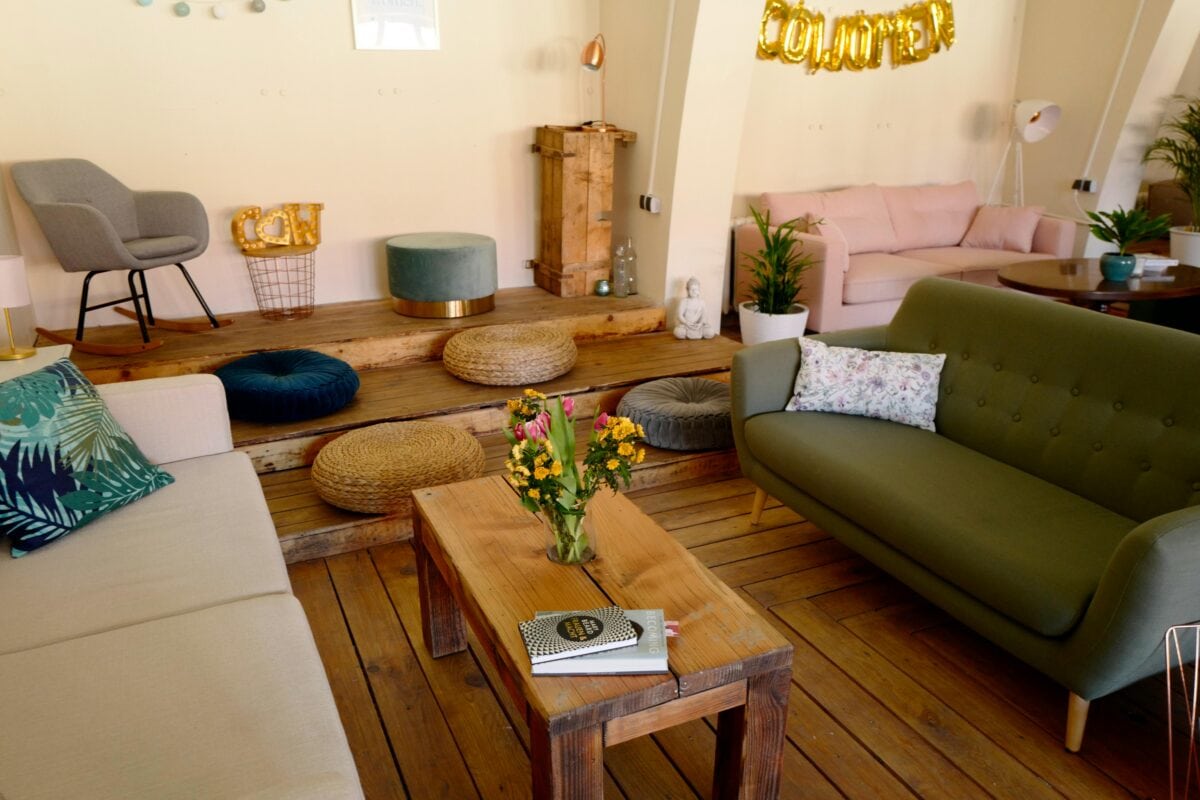
An every‑occasion living area has to feel inviting but also visually calm, so we pay careful attention to surfaces, textures, and colour schemes. Choosing durable fabrics for sofas and designer armchairs, along with practical marble surfaces or sturdy wood for coffee tables, helps the space withstand daily use while maintaining its visual appeal. We often lean towards soft colours for large elements like walls, sofas, and wall panels, using cushions, throws, and small decor elements to introduce richer tones or seasonal accents. Different wall treatments, such as painted wall panels, wooden panels, or a curated gallery wall, add depth and character without overwhelming the eye. Styles like Japandi Style and Wabi Sabi favour simplicity, natural materials, and a sense of calm imperfection, which can be especially effective for an every‑occasion living space. Meanwhile, an industrial interior approach with exposed textures, metal frames, and concrete or brick elements can be softened with textiles and greenery. By aligning materials with our lifestyle and tastes, we create a room that is both comfortable to live in and consistently pleasing to look at.
Use a Layered Lighting Scheme to Shift the Mood Instantly
Lighting is one of the most powerful tools for transforming a living room from work mode to party mode to relaxation mode. We start by building a balanced lighting scheme composed of ambient lighting, task lighting, and accent lighting, each serving a different role in the overall atmosphere. For general ambient lighting, we may use ceiling lights such as recessed LED downlights, cove borders with discreet cove lighting, or central pendant lights that set the tone for the whole room. Around the seating group and TV viewing area, we soften glare with wall sconces, Wall Sconce designs, and wall lights that wash light gently up or down the walls. Task lighting comes from table lamps on a side table, a focused floor lamp by a reading chair, or desk lamps in the work zone, ensuring we can comfortably read, write, or work on a laptop. For accent lighting, we might incorporate LED strips or LED strip lights in floating shelves, behind wall panels, or under wall-mounted TV consoles, adding depth and highlighting favourite decor elements. with these layered lighting accessories in place, we can brighten the room for cleaning, dim it for movie nights, or set a warm glow for intimate dinner parties with just a few simple adjustments.
Harness Natural Light and Wall Treatments for a Brighter, Calmer Space
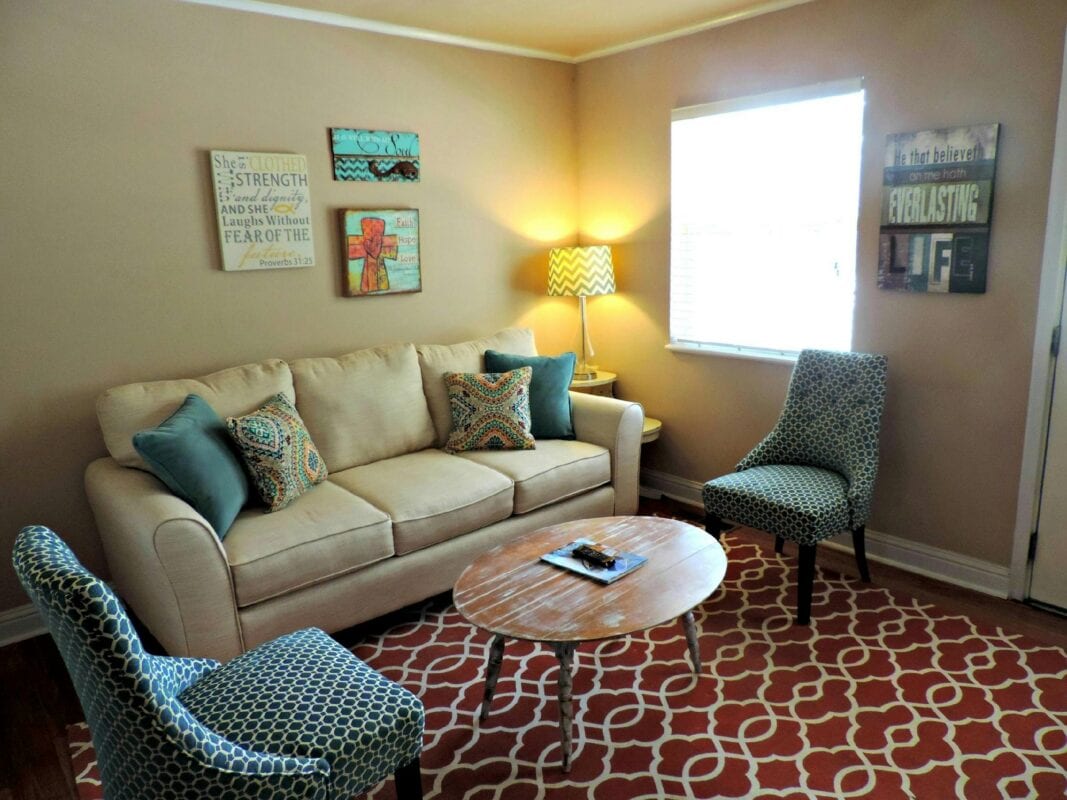
Beyond artificial lighting, natural light plays a pivotal role in shaping mood and perceived space. We position key seating, such as a convertible sofa or designer armchairs, near windows when possible, carefully managing glare to ensure comfortable TV viewing. Light window treatments in soft colours filter harsh sunlight while preserving brightness, working in harmony with our chosen colour schemes and colour and lighting tips. On the walls, combinations of paint, wall panels, and wooden panels can reflect or absorb light to create the desired tone, whether we lean toward the serenity of Japandi Style or the raw edge of an industrial interior. A thoughtfully arranged gallery wall can capture and frame light, drawing the eye to key focal points without cluttering the room. When we combine well‑planned wall treatments with a considered lighting scheme and plenty of natural light, the living space feels open, uplifting, and versatile throughout the day. This synergy between daylight and artificial light ensures the room works equally well for both energetic daytime activities and calm evenings at home.
Maximise Smart Storage and Furniture Ideas to Tame Clutter
Clutter is the fastest way to undermine even the best living room design, particularly in compact homes and HDB flats. To keep the room feeling calm, we rely on furniture ideas that hide everyday items while keeping them accessible, such as storage ottomans for toys, throws, or extra cushions. Slimline cabinets and wall-mounted TV consoles keep electronics and cables controlled, maintaining a clean profile across the main wall. Above these, floating shelves display books, plants, and curated home decor, turning storage into a decorative feature that enhances the room’s visual appeal. Alongside the sofa, a well‑placed side table or console becomes a landing spot for drinks and lamps, with drawers or baskets below for the small items that tend to migrate across the room. In denser layouts, modular furniture and a flexible seating choice allow us to reconfigure the living area for larger gatherings during hosting season, then streamline it again for everyday life. By weaving storage into almost every piece, we create a room that can shift between family hub, workspace, and entertainment zone without feeling overloaded.
Add Personality with Stylish Decor and Design Rules That Fit Your Home
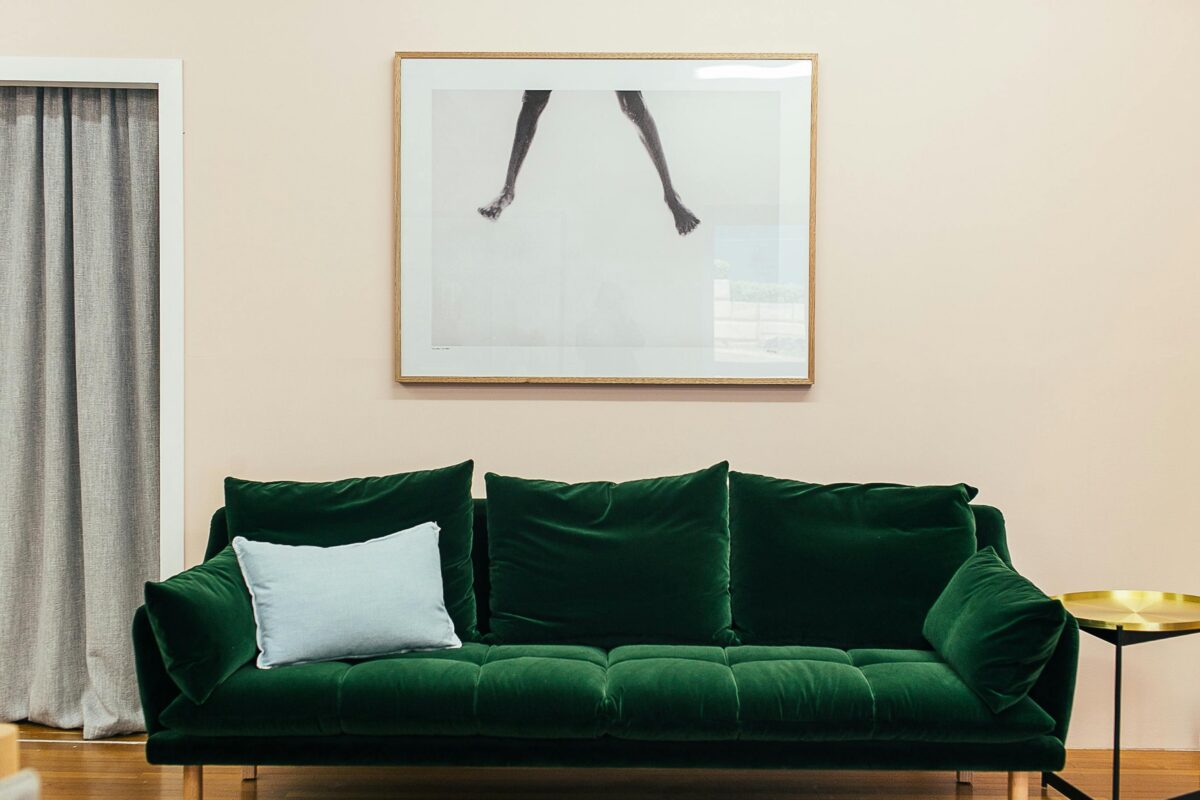
Once the foundations of layout, storage, and lighting are in place, we bring the room to life through personal style and thoughtful design rules. Rather than crowding every surface, we select a handful of meaningful decor elements—artworks, travel souvenirs, ceramics, or textiles—that reflect our story and complement our chosen colour schemes. A mix of marble surfaces, warm woods, and soft textiles can work beautifully in both Japandi Style and Wabi Sabi approaches, while metal accents and darker tones suit an industrial interior without feeling cold. We consider simple furniture solutions, such as pairing a clean‑lined sofa with sculptural designer armchairs and a standout coffee table to anchor the seating area. A structured gallery wall above the sofa, framed by subtle Wall Lights or wall sconces, becomes a powerful focal point that draws the eye when guests enter. Throughout, we keep our own design rules flexible, allowing the room to evolve as our routines and tastes change over time. This combination of planning and personality turns an every‑occasion Living Room into a space that feels both highly functional and distinctly our own.
Summary
An every‑occasion living room succeeds when space planning, flexible room layout, and layered lighting work together with adaptable living room furniture and smart storage. By blending thoughtful interior design, practical furniture ideas, and a nuanced lighting scheme—from ceiling lights and pendant lights to table lamps, floor lamp solutions, and accent lighting—we create a space ready for work, rest, and semi-private entertainment. With curated decor elements, calm colour schemes, and a style that may lean toward Japandi Style, Wabi Sabi, or industrial interior, the room becomes a versatile, welcoming heart of the home for every occasion.