

Uncategorized
Stylish Home Accessories for Modern Homes
Stylish Home Accessories for Modern Homes
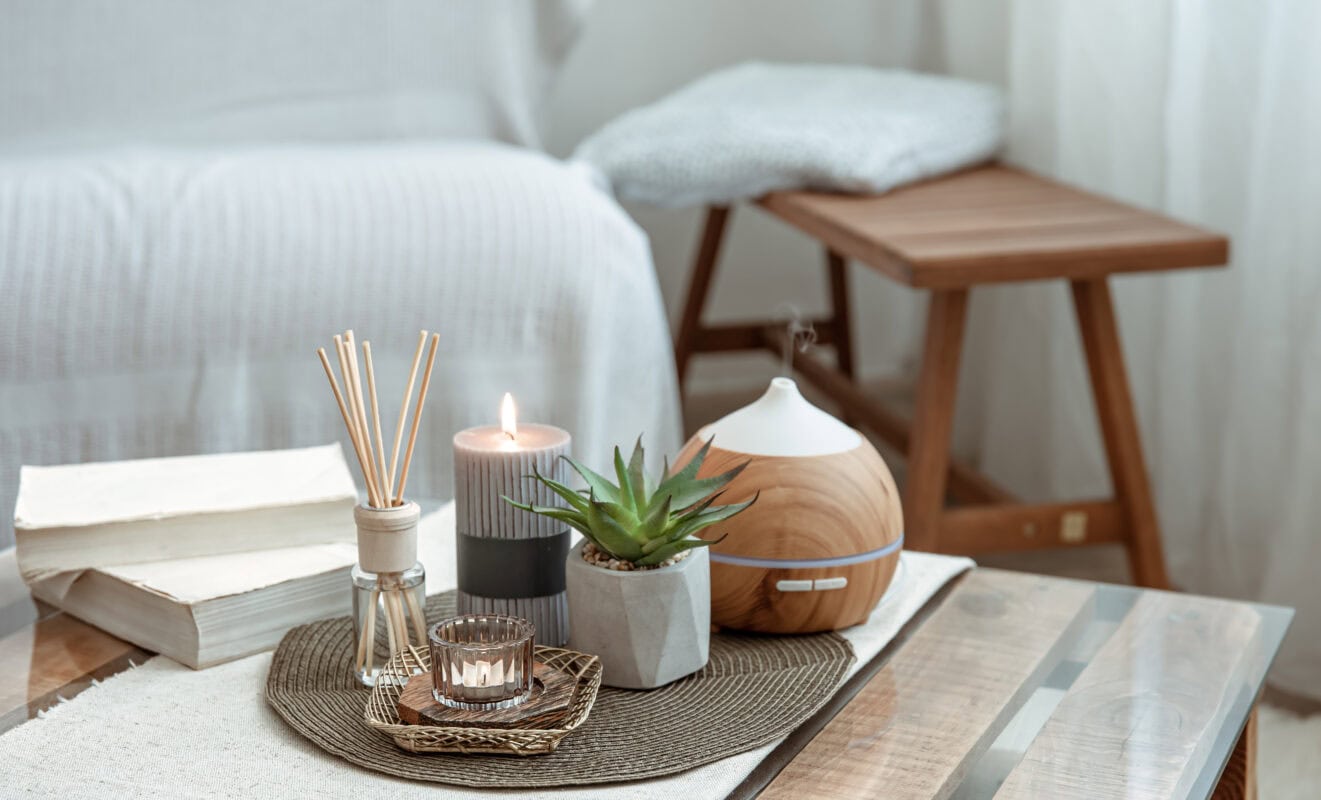
A modern home is defined by more than its furniture, colour scheme or architectural details. The finishing touches often determine whether an interior feels cold and impersonal or warm, sophisticated and inviting. Stylish home accessories for modern homes allow us to introduce character, texture and individuality while maintaining the clean aesthetic associated with contemporary design.
The most successful modern interiors rarely depend on excessive decoration. Instead, they use carefully selected accessories to create balance and visual interest. A sculptural ornament on a console, an elegant vase on a dining table, a statement lamp beside an armchair or a carefully positioned piece of artwork can completely transform the atmosphere of a room. We can think of accessories as the final layer of interior design. Furniture establishes the structure, while accessories provide the personality.
Why Home Accessories Matter in Modern Interior Design
Minimalist and contemporary interiors often feature clean lines, neutral colours and uncluttered surfaces. Although these qualities create an elegant foundation, too much simplicity can sometimes make a room feel sterile. Accessories provide an opportunity to introduce warmth and depth without compromising the overall design.
For example, a neutral living room with a beige sofa and light-coloured walls can be enhanced with a textured ceramic vase, a sculptural coffee-table ornament, and cushions in complementary tones. The furniture remains understated, but the accessories create layers that make the space feel more complete.
We should therefore consider accessories as part of the overall composition rather than isolated decorative objects. Their colours, proportions, materials and positioning should work together with the existing furniture and architecture.
Sculptural Accessories for Contemporary Interiors
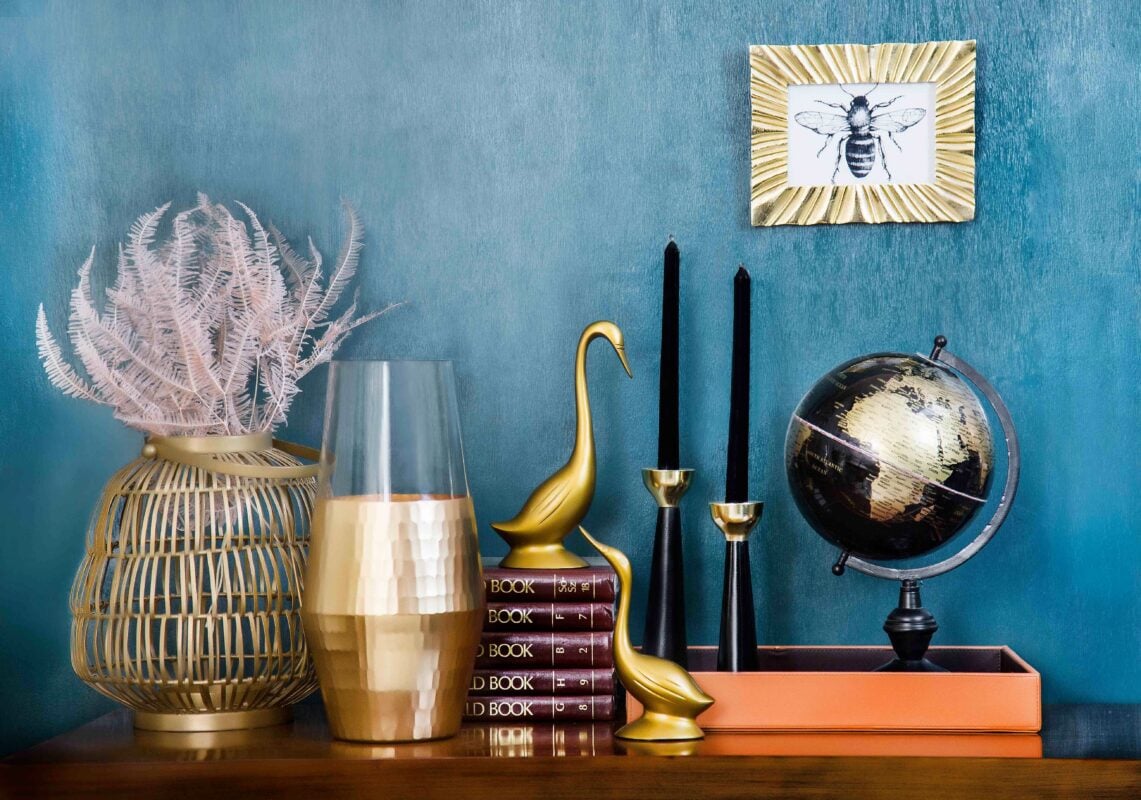
Sculptural décor is particularly effective in modern homes because it combines artistic expression with three-dimensional form. Abstract sculptures, geometric ornaments, artistic figurines and contemporary decorative objects can become focal points without overwhelming the room.
A well-designed sculpture can be placed on a console table in an entrance hall, positioned on a sideboard in the dining room or displayed prominently on a living-room shelf. Larger pieces can even stand independently on the floor, creating an architectural feature within the room.
When selecting sculptural accessories, we recommend considering contrast. A room dominated by straight lines can benefit from curved or organic forms, while geometric designs can complement a softer-furniture interior. This contrast creates visual tension and prevents the space from appearing monotonous. Rather than filling every surface with decorative objects, one distinctive statement piece can often have a greater impact than several unrelated items.
Elegant Vases and Decorative Vessels
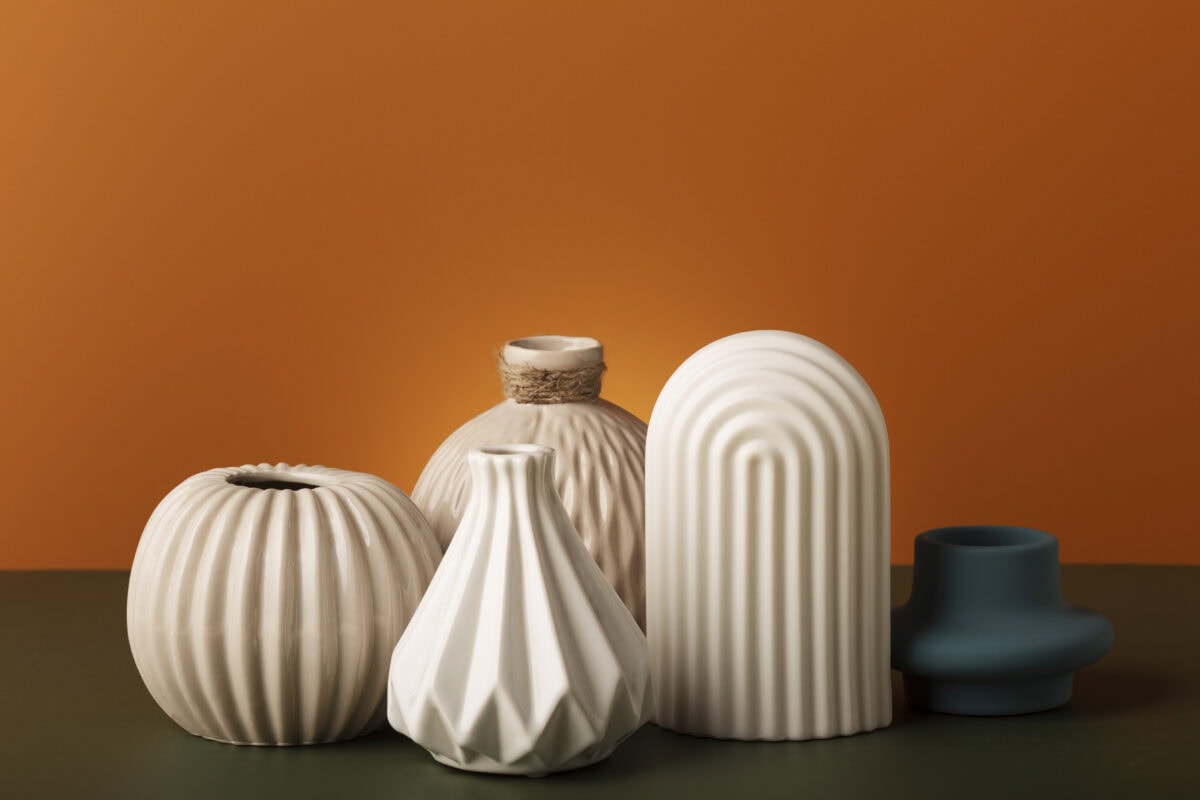
Vases remain among the most versatile stylish home accessories for modern homes. Their appeal extends beyond their traditional use with flowers. Contemporary vases are often designed as decorative objects in their own right, with sculptural silhouettes, textured finishes and unusual proportions.
A tall vase can add height to a console arrangement, while a collection of smaller vessels can create an attractive display on a coffee table or open shelving. Neutral shades such as ivory, cream, grey, black and taupe work particularly well in modern interiors because they can complement a broad range of colour schemes.
For a more expressive look, we can introduce earthy greens, terracotta, muted blues or carefully selected metallic accents. The objective is not necessarily to match every accessory, but to establish a visual relationship between different elements throughout the room.
Modern Lighting as Both Function and Décor
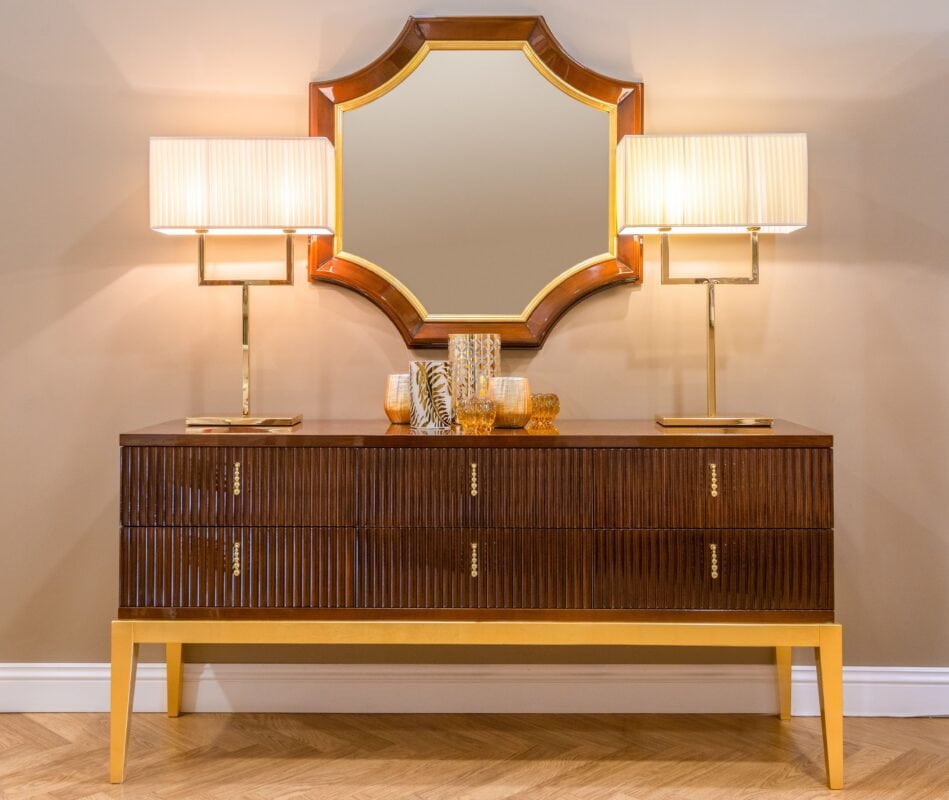
Lighting is another important element of modern home styling. A lamp should provide practical illumination, but its design can also contribute significantly to the character of an interior. Sculptural table lamps, contemporary floor lamps and decorative pendant lights can serve as focal points even when switched off. Materials such as glass, metal, ceramic and natural wood offer different visual qualities, allowing us to select lighting that complements the existing décor.
Layered lighting is particularly effective. Instead of depending on a single overhead fixture, we can combine ambient, task and accent lighting to create different moods throughout the day. A warm table lamp beside a sofa, for instance, can make an evening living space feel considerably more inviting.
Choosing the Right Materials
Material selection has a major influence on how sophisticated an accessory feels. Modern interiors benefit from combining materials rather than relying on one surface throughout the room. Glass can introduce lightness and transparency, whilst metal can provide a refined architectural quality. Natural wood adds warmth, ceramic contributes texture, and resin allows for highly detailed sculptural designs.
Combining contrasting materials can make an interior feel richer without requiring additional colour. A wooden console paired with a ceramic vase and a metallic sculpture, for example, creates several layers of texture while maintaining a restrained colour palette.
The key is balance. If every accessory has a different material, finish and colour, the room can quickly become visually overwhelming. A limited selection of complementary materials generally produces a more sophisticated result.
How to Choose Accessories for a Modern Colour Palette
Colour is one of the easiest ways to connect individual accessories with the wider interior. We should first consider the colours already present in the room, including walls, flooring, upholstery, curtains and larger pieces of furniture. Neutral interiors provide considerable flexibility. White, beige, cream, grey and black accessories can reinforce a minimalist aesthetic, whilst natural tones such as wood, stone and terracotta can introduce warmth.
For homeowners who prefer stronger visual contrast, accessories can be used to introduce carefully controlled accent colours. A deep green vase, for example, can become a subtle focal point in an otherwise neutral room. Rather than trying to make every accessory identical, we can repeat selected colours throughout the space. This creates cohesion while still allowing individual pieces to retain their character.
Creating Balance Through Scale and Proportion
One of the most overlooked aspects of decorating is scale. An accessory that looks impressive in a large showroom may appear overwhelming in a compact room, whilst a very small object can become visually insignificant beside substantial furniture.
We should consider the proportions of surrounding objects when selecting decorative pieces. A large sideboard may require a substantial sculpture or grouped arrangement, whereas a narrow console may be better suited to a single vase or smaller decorative object. Height is also useful for creating visual variety. Combining tall, medium and low objects can make a display feel more dynamic. However, leaving some space is equally important. Negative space allows individual pieces to stand out and prevents the interior from appearing cluttered.
Stylish Accessories for Smaller Homes
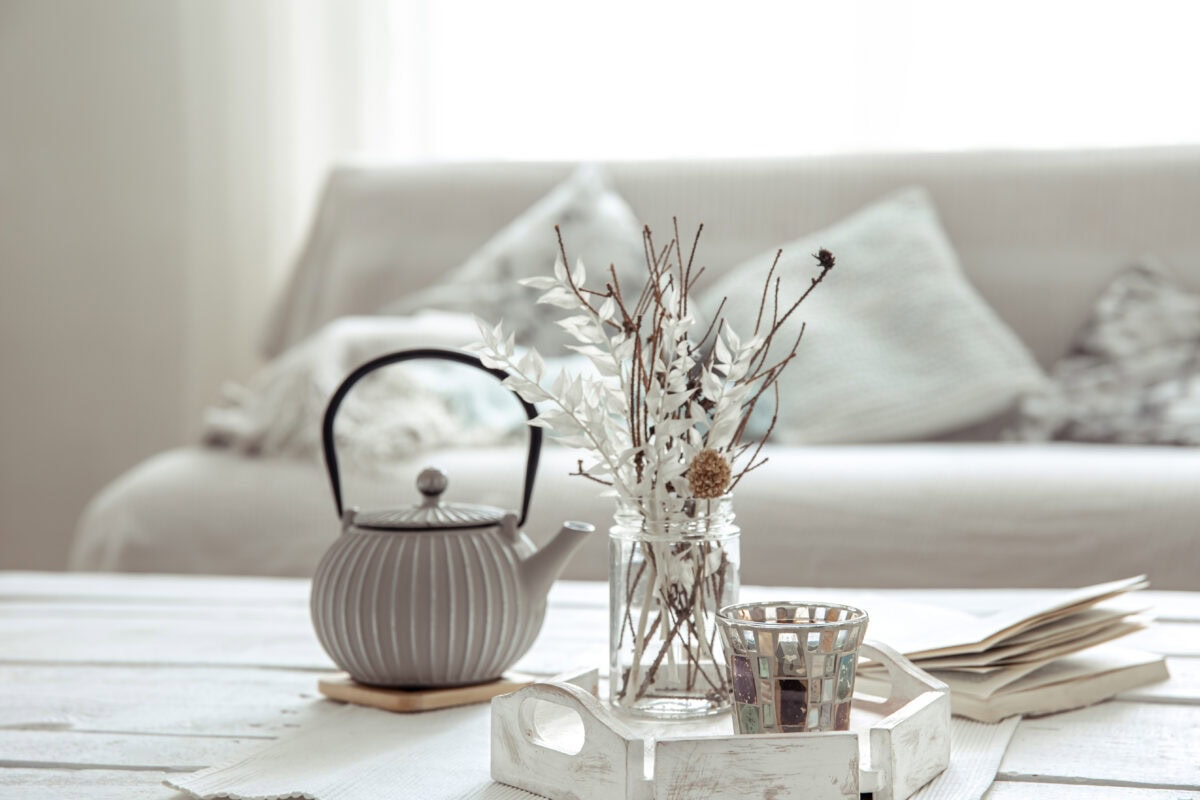
Modern accessories can be particularly valuable in smaller homes because they allow us to make a visual impact without undertaking major renovations. Wall art, mirrors, compact sculptures, decorative trays and carefully selected table lamps can enhance a room without taking up significant floor space.
Vertical styling can also help draw attention upwards. A tall vase, wall-mounted artwork or thoughtfully arranged shelving can make use of otherwise neglected areas. For smaller rooms, multifunctional accessories are especially practical. Decorative trays can organise everyday objects, mirrors can enhance the perception of space, and attractive storage containers can combine practicality with visual appeal.
How to Make a Modern Home Feel Personal
A contemporary interior does not need to feel like a showroom. In fact, the most appealing modern homes often combine sophisticated design with objects that have personal meaning. Artwork, books, travel mementoes, handmade ceramics and inherited pieces can all work within a contemporary setting. The important consideration is how these objects are presented.
Instead of displaying everything simultaneously, we can curate a smaller collection and rotate accessories throughout the year. This keeps the interior fresh while allowing meaningful objects to remain part of the home. Personalisation is ultimately what transforms a stylish interior into a home. Accessories provide an opportunity to tell a story without compromising a refined aesthetic.
Creating a Cohesive Modern Interior
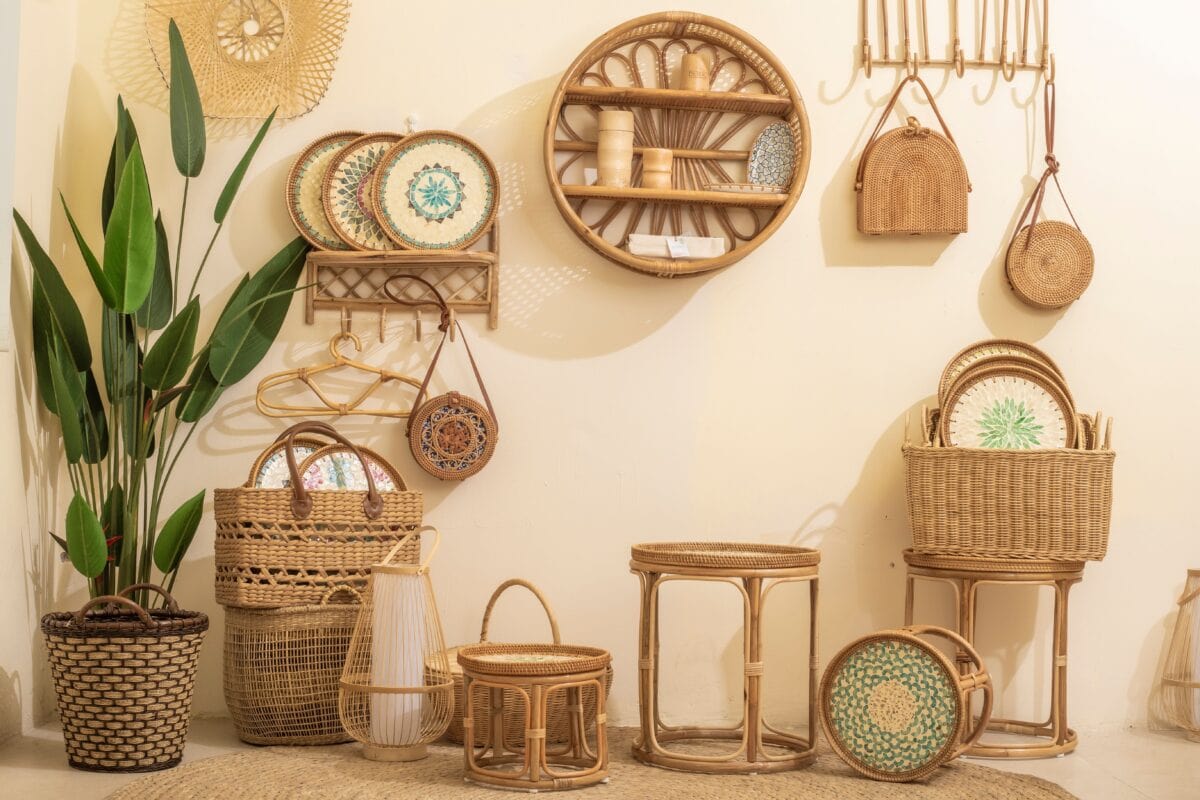
When selecting stylish home accessories for modern homes, we should consider the entire room rather than purchasing individual items in isolation. Colour, texture, scale, material and placement should all contribute to a coherent visual language. A useful approach is to begin with one or two statement pieces and gradually build the surrounding arrangement. If a sculptural ornament is already the focal point, additional accessories should support it rather than compete for attention.
We can also introduce seasonal changes without completely redesigning a room. Swapping cushions, vases, artwork, or smaller decorative objects can refresh an interior while keeping the main furniture and colour palette consistent.
Investing in Timeless Home Accessories
Interior trends come and go, but well-designed accessories can remain relevant for many years. Rather than selecting pieces purely because they are fashionable, we should prioritise strong design, quality materials and versatility.
A timeless accessory can move between rooms and adapt to different furniture arrangements. A sculptural vase might begin on a dining table, move to a bedroom console and eventually become part of an entrance display. This versatility makes carefully selected décor a worthwhile investment.
Ultimately, stylish home accessories should enhance a modern home rather than overwhelm it. By combining thoughtful proportions, complementary materials, restrained colours and meaningful decorative pieces, we can create interiors that feel sophisticated, comfortable and personal.
Modern design is not about having more. It is about choosing better. The right accessories can provide the final layer of character that turns a well-designed room into a truly memorable home.