

Home Decoration, Style
How to Create a Cosy Reading Nook in a Bedroom
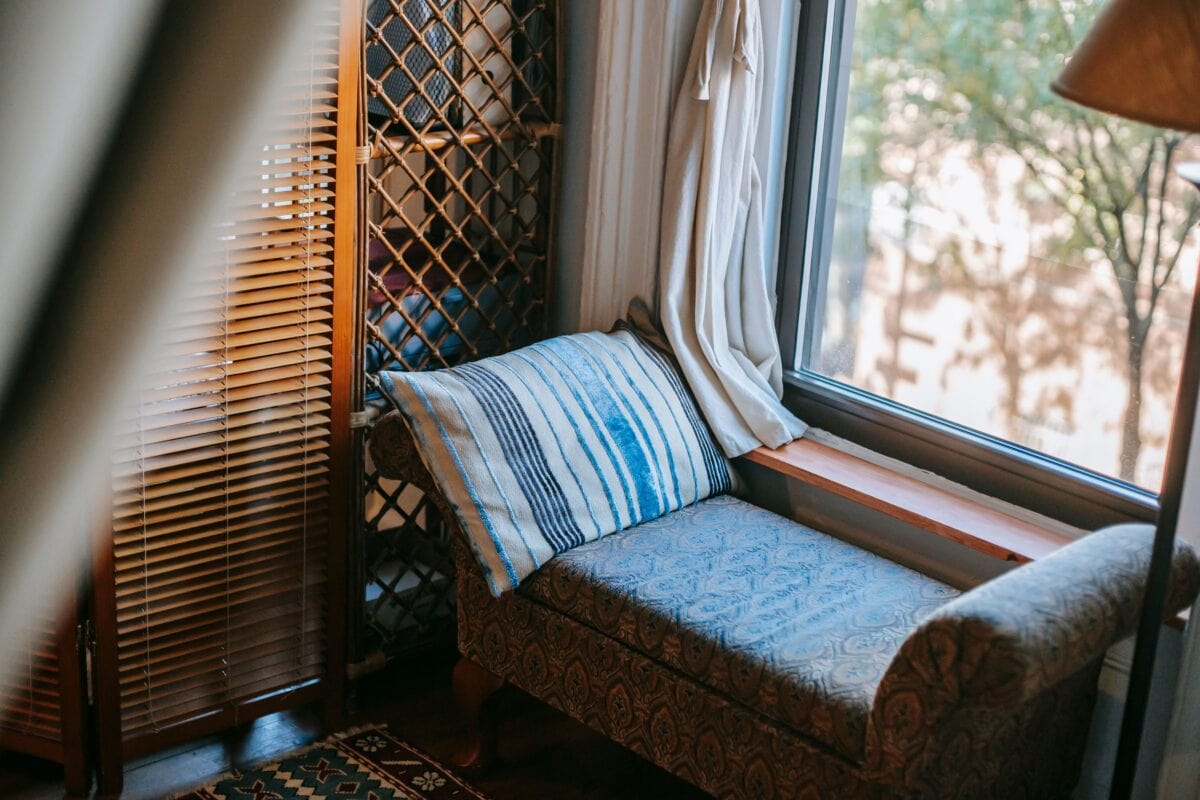
A main bedroom should feel like a personal sanctuary, yet many spacious sleeping quarters leave corners unused and without purpose. Transforming an overlooked corner into a dedicated cosy reading nook introduces both functionality and intimate architectural charm to the space. Rather than treating a bedroom merely as a place to sleep, adding a secluded reading space creates a quiet zone for rest, contemplation, and digital detox. When homeowners curate a tailored book nook in their private quarters, they improve the room’s spatial balance while creating a restful ritual at the start and end of each day.
Designing an exceptional reading corner requires a thoughtful synthesis of spatial planning, ergonomic comfort, and layered illumination. The goal isn’t simply to place a comfy chair in a corner, but to create an intentional micro-environment that invites lingering and inspires your room decor. From assessing natural daylight patterns to selecting appropriate textiles and acoustic elements, every decision you make with your interior designer contributes to the overall sense of sanctuary. We have compiled this comprehensive guide to help you execute a seamless transformation that elevates your bedroom’s aesthetic and functional value.
Evaluating Spatial Layout and Natural Light
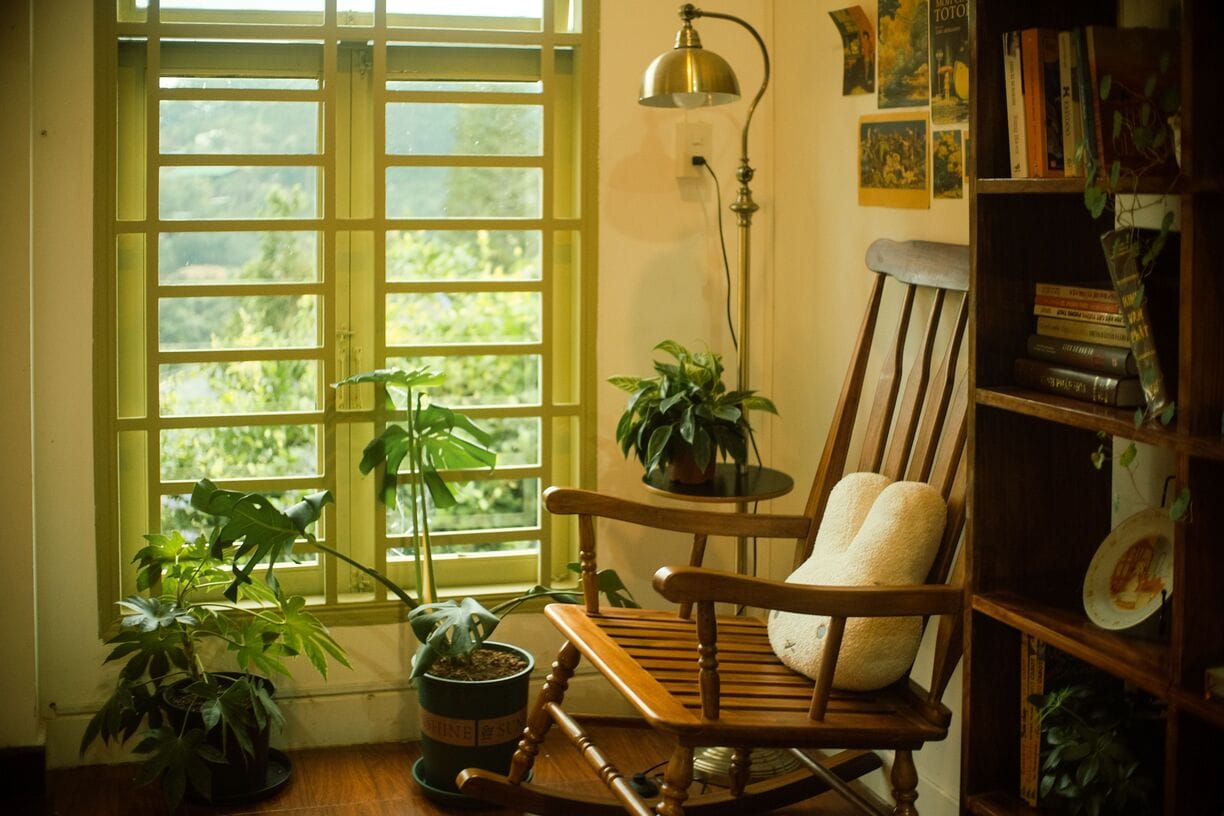
The foundation of a successful cosy corner begins with choosing the ideal placement within the bedroom layout. We recommend identifying a quiet perimeter area that remains clear of main foot traffic paths, particularly the route between the bedroom door, closet, and primary bathroom. An unused corner adjacent to a window is often the best option, as natural daylight enhances reading and provides an uplifting visual connection to the outdoors. Sunlight stimulates focus and reduces eye fatigue during daytime hours, making window-adjacent placement a preferred choice among top design firms.
When evaluating a window location, measure spatial proportions and window sill height carefully. If the window sill sits low to the floor, a built-in bench with an upholstered window-seat cushion creates a clean, architectural window seat that maximises every square inch of floor space. Alternatively, a custom daybed or a classic French directoire daybed transforms the alcove into a luxurious retreat for reading and resting. If the window sits higher or the wall space is recessed, place a freestanding armchair—such as a classic Eames chair, an iconic vintage Philippe Starck chair, or a graceful French chaise longue—at a slight angle toward the light source to create an inviting, organic flow. In bedrooms with limited window space, an empty wall far from the doorway can be visually defined with rich wall colours, textured shiplap, or a soft perimeter area rug to create a clear boundary for the retreat.
Selecting Ergonomic Seating and Materiality
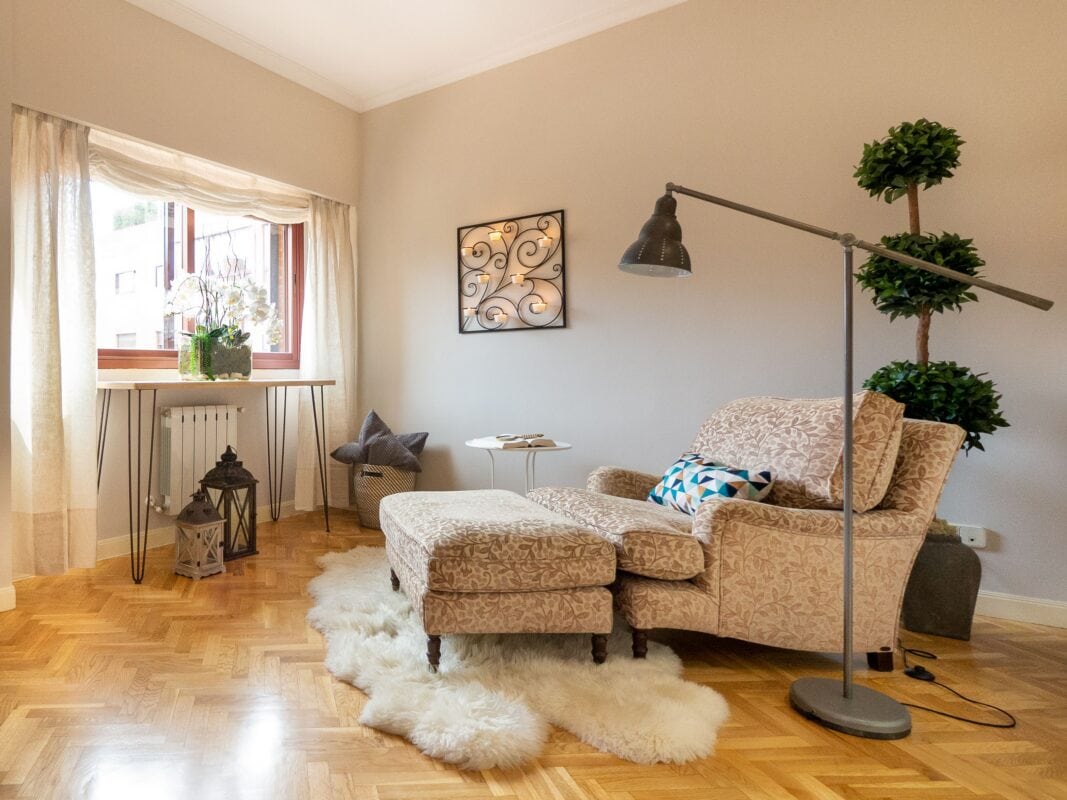
Seating is the functional centrepiece of any literary sanctuary, so ergonomic support and tactile comfort should be top priorities. Because reading often involves extended periods of sitting, choosing a seat strictly based on visual appearance can lead to physical discomfort. We recommend seating with deep cushion support, proper lumbar alignment, and a backrest tall enough to support the head and neck. Incorporating specialised built-in furniture allows for precise customisation, ensuring the scale perfectly matches the room’s proportions whether you reside in a spacious Victorian townhouse or a cosy small house.
Material selection plays a critical role in reinforcing the space’s serene ambience. Upholstery fabrics such as rich velvet, textured bouclé, soft linen blends, or designer options introduce rich tactile layers into the room. For compact floor plans, a sleek swivel chair offers dynamic flexibility, letting the reader turn toward the window for daytime reading or pivot back toward the bedroom interior for evening conversation. Complementing the primary seat with a plush footstool or layering the base with a soft faux sheepskin encourages total physical relaxation by elevating the legs, which promotes better circulation and reduces tension after a long day.
Layering Illumination for Day and Night Reading

Proper lighting design is crucial to prevent eye strain and create a warm, atmospheric mood. While natural light provides optimal daytime illumination, a dedicated reading nook requires a layered artificial lighting scheme tailored for evening use. Relying solely on a bedroom’s central overhead light fixture is insufficient, as it often creates harsh shadows and fails to deliver focused light directly onto the page.
We recommend integrating a multi-tiered lighting strategy that combines direct task lighting with soft ambient illumination. Architectural floor lamps with adjustable swing arms positioned slightly behind and to the side of the chair provide focused, glare-free light over the reader’s shoulder. Alternatively, mounting warm-toned wall lights, directional library lights, or placing delicate table lamps on adjacent surfaces saves floor space while adding elegant architectural detail. For a more whimsical, relaxed aesthetic, weave delicate string lights around surrounding shelving to create a gentle, magical glow. To maintain a soothing environment conducive to evening relaxation, select warm LED bulbs that mimic the soft glow of late-afternoon sunlight.
Incorporating Smart Storage and Surface Utility
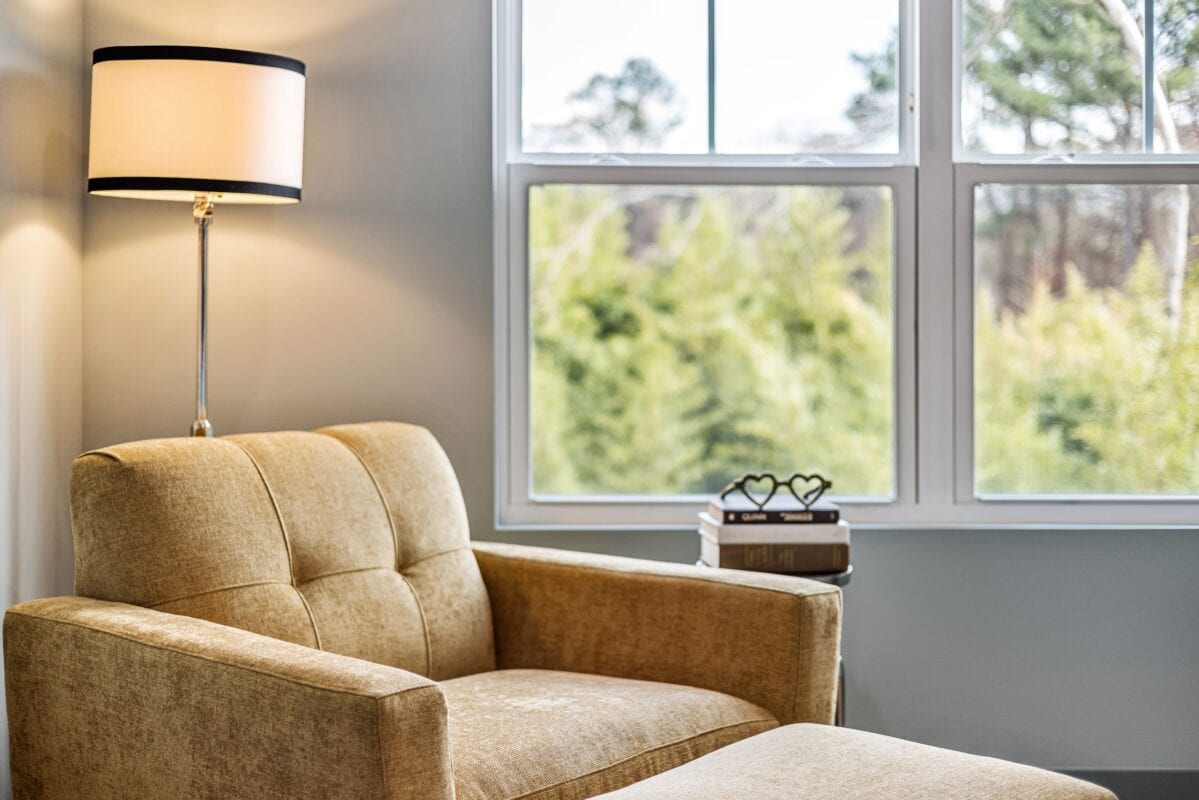
A functional nook must accommodate more than just a chair; it requires convenient surfaces for books, warm beverages, and ambient accessories. Adding a small side table beside the main seating keeps essentials within arm’s reach. The table height should align closely with the seat’s armrest, creating a fluid spatial relationship that prevents awkward reaching or accidental spills. For added versatility, a sleek utility cart can hold active reading materials, warm tea sets, and reading glasses.
Strategic book storage to the bedroom’s scale to avoid visual clutter. Utilising overhead vertical space prevents footprint overcrowding while maintaining a clean aesthetic. In larger rooms, a grand home library wall or an expansive wall bookshelf introduces an impression of academic luxury and depth. In smaller bedrooms, installing a space-saving built-in shelf, an integrated bookcase headboard, or clever recessed book storage within the wall cavity keeps your personal library organised. For a rustic, charming feel, stacking vintage book storage crates offers flexible, modular storage that can easily adapt as your literary collection grows from recent library sales.
Enhancing Tactile Warmth and Personal Details

The final stage of creating an inviting retreat involves layering textiles, accessories, and acoustic softening elements that evoke warmth and tranquillity. High-ceilinged rooms or bedrooms with hard flooring, such as reclaimed French terra-cotta tile floors, can suffer from subtle acoustic echoes, which disrupt concentration. Introducing a thick wool area rug underneath the seating anchors the space visually while absorbing ambient sound waves, creating a quiet micro-climate within the larger room.
Carefully chosen decorating ideas and soft furnishings further enhance both acoustic insulation and visual comfort. Framing nearby windows with tailored window treatments, such as heavy lined drapes, dampens outside noise while blocking unwanted drafts during colder seasons. Styling the seat with comfortable wool pillows, a luxe throw, or a plush cushion provides instant physical comfort and customizable support. Completing the space with subtle personal touches—such as a small plant to purify the air, framed artwork, or artistic decor inspired by masters like Louise Bourgeois, Carlo Mollino, or Verner Panton—transforms a simple seating corner into a deeply personal, luxurious home retreat that elevates your daily living experience.