

Home Decoration
Affordable Minimalist Design: A Complete Guide

Embracing the Core Principles of Minimalism
When we decide to transform our living spaces into a minimalist home, we aren’t just choosing a visual style; we are adopting a lifestyle centered on intentionality. The principles of minimalism teach us that less truly is more, encouraging us to strip away the non-essential to reveal the beauty of our architecture and living spaces. We often look to influencers like Marie Kondo for inspiration, realizing that decluttering is the first, cost-free step toward a serene environment. By focusing on what brings value and function, we can achieve high-end interior design results without a high-end budget. This approach isn’t about deprivation but about curating a home that reflects our values, where every item, from school supplies tucked away in drawers to the decor accessories on display, has a specific purpose. We believe that by clearing the clutter, we open up our homes—and our minds—to a more peaceful, organized way of living.
Optimizing Layouts with Open Floor Plans and Light
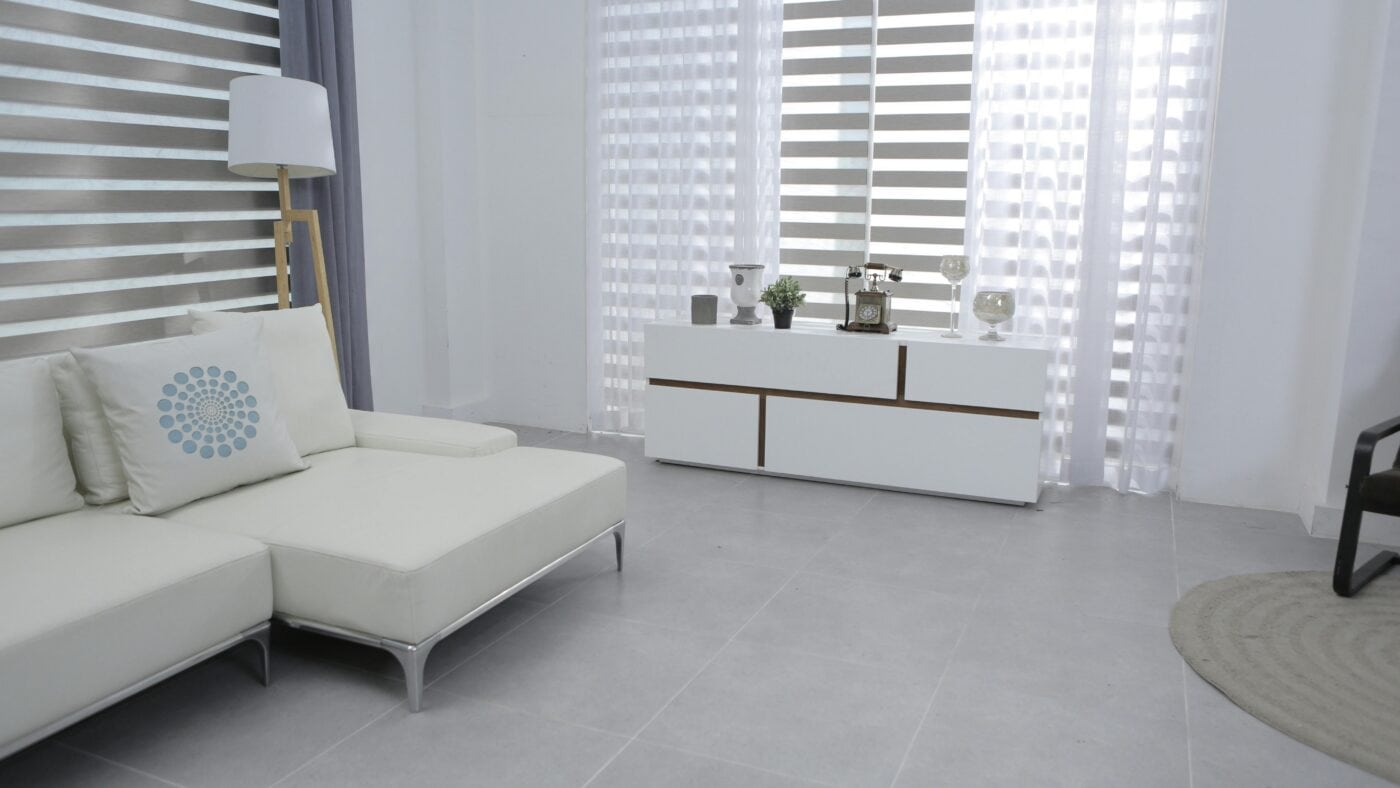
One of the hallmarks of minimalist interior design is the use of open floor plans to maximize square footage and create a sense of flow. Even in older homes where knocking down walls isn’t an option, we can simulate this airiness by rearranging furniture to enhance negative space and clear pathways. We must prioritize natural light as a primary design element; removing heavy drapes in favor of sheer window coverings allows sunlight to wash over our neutral color palette, making small rooms feel expansive. For spaces lacking large windows, strategically placing a full-length floor mirror can bounce light into dark corners, instantly doubling the room’s visual depth. We also suggest upgrading old lighting fixtures to modern LED lighting options, which are energy-efficient and provide a clean, bright glow that complements the minimalist design aesthetic.
Selecting Multifunctional Furniture for Small Spaces
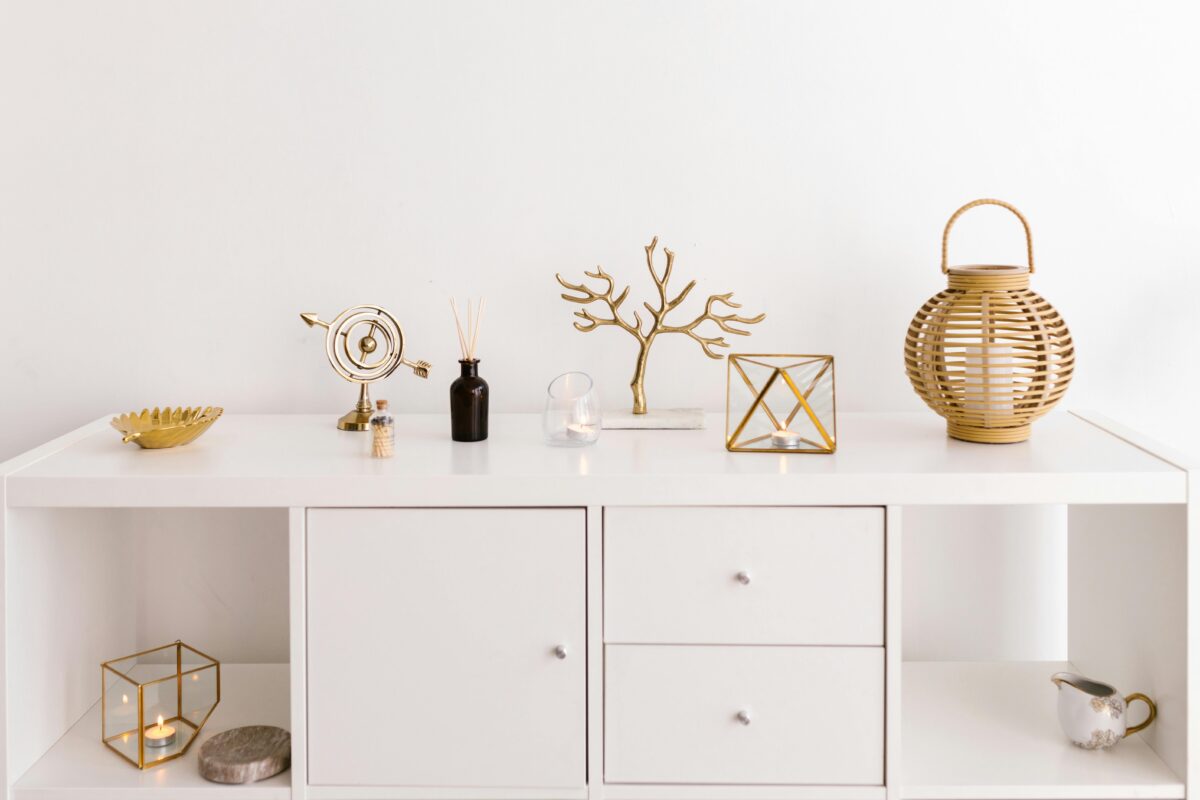
In small spaces, every square inch counts, which is why we champion multifunctional furniture that serves double duty. We love the utility of Murphy beds for guest rooms or studio apartments, as they fold away to reclaim floor space during the day, keeping the space clean. Similarly, incorporating dining benches with hidden storage or a window seat with a lift-up lid allows us to stow away seasonal items or storage bins out of sight. A platform frame bed often comes with built-in drawers, eliminating the need for bulky dressers and preserving the clean lines of a minimalist bedroom. By investing in these smart pieces, perhaps sourced from flea markets or thrift stores and refurbished, we maximize functionality without overcrowding the room with unnecessary furniture.
Curating a Cohesive Palette and Textures
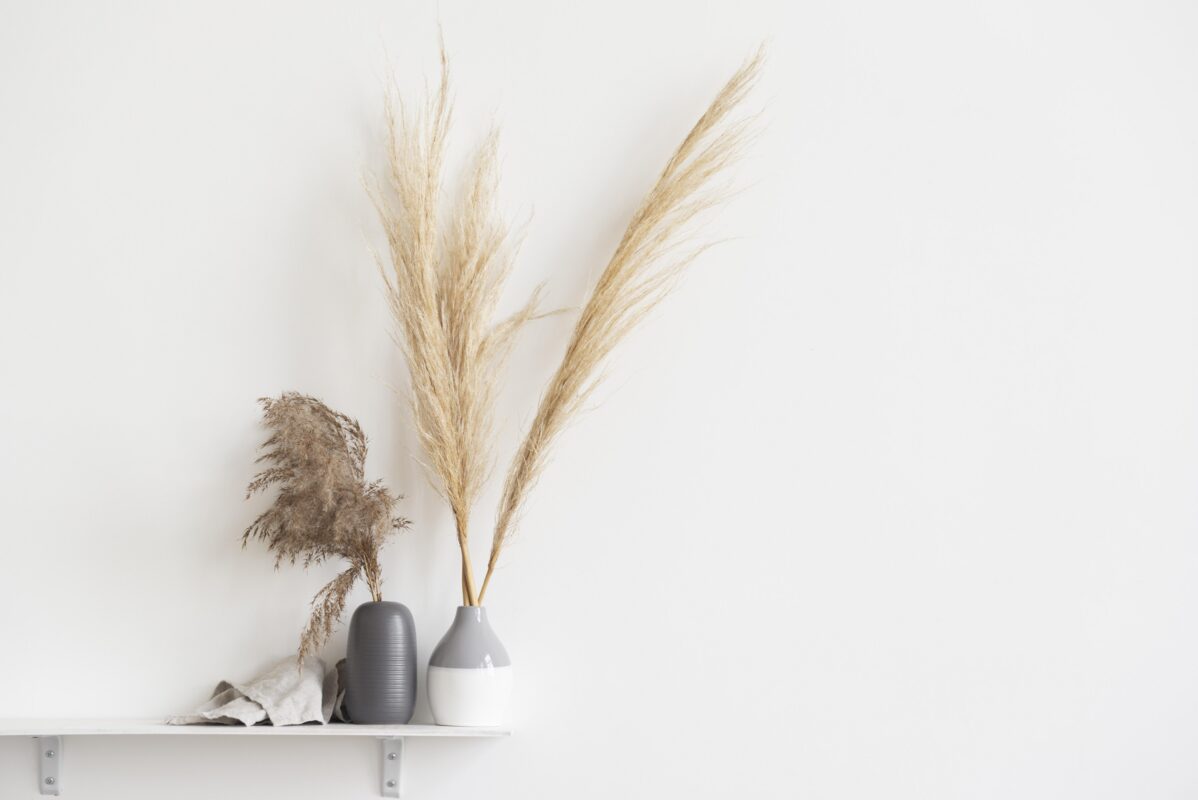
To achieve that sophisticated, calm atmosphere, we rely heavily on a neutral color palette composed of whites, creams, soft grays, and earth tones. Repainting walls in these neutral hues is one of the most affordable quality upgrades we can make, instantly unifying disjointed rooms. To prevent the space from feeling flat, we layer diverse textures using natural materials like wood, wool, and linen. A geometric rug in muted tones can anchor a living room, while a textured cushion or a chunky knit throw adds warmth to a sleek accent chair. We might also introduce monochromatic sets of bedding or towels to maintain visual continuity, ensuring that even practical items contribute to the overall design harmony.
Affordable Decor and DIY Projects
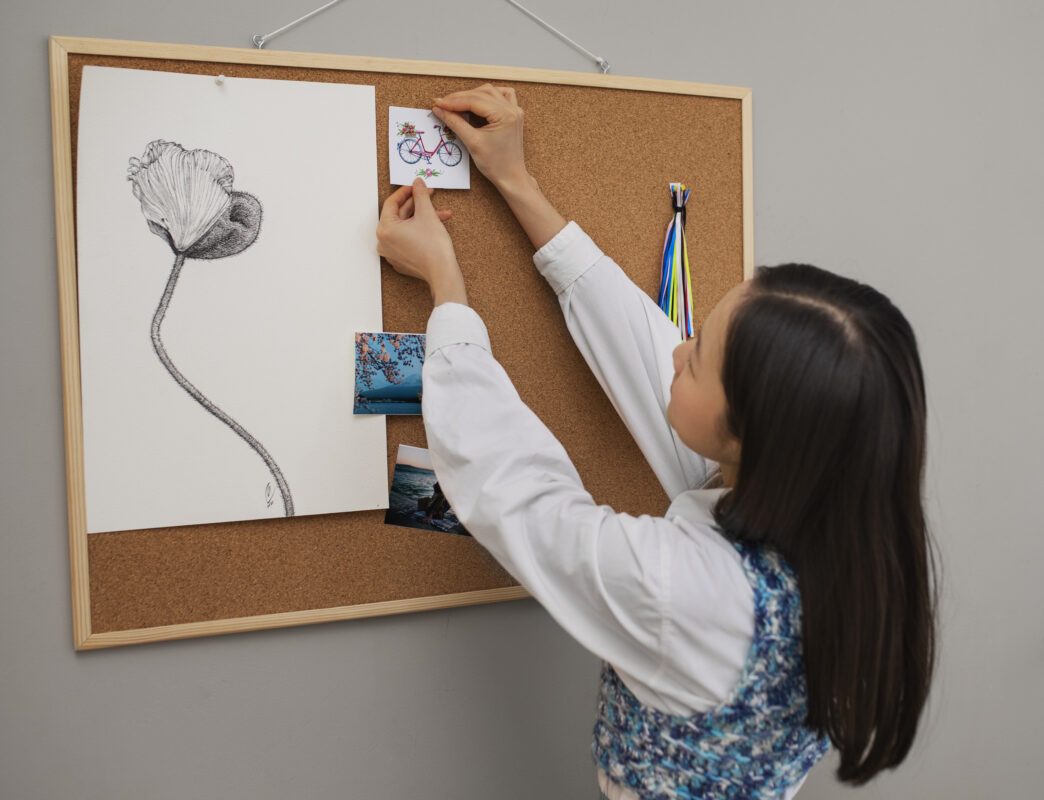
Decorating on a budget creates the perfect opportunity for creative DIY projects that add personal character without the retail markup. We can create stunning wall art by framing Scandinavian abstract prints or even fabric swatches in simple wall art frames for a gallery-like effect. Instead of expensive renovations, we recommend using peel-and-stick tiles to refresh a dated powder room or kitchen backsplash, achieving a modern look for a fraction of the cost. Floating shelves are another fantastic DIY option; they provide storage and display space for curated items like bedside lamps or books without the visual bulk of heavy bookcases. We also scour thrift stores for unique vessels or reclaimed wood pieces to upcycle into one-of-a-kind decor that tells a story.
Bringing Life Indoors with Greenery
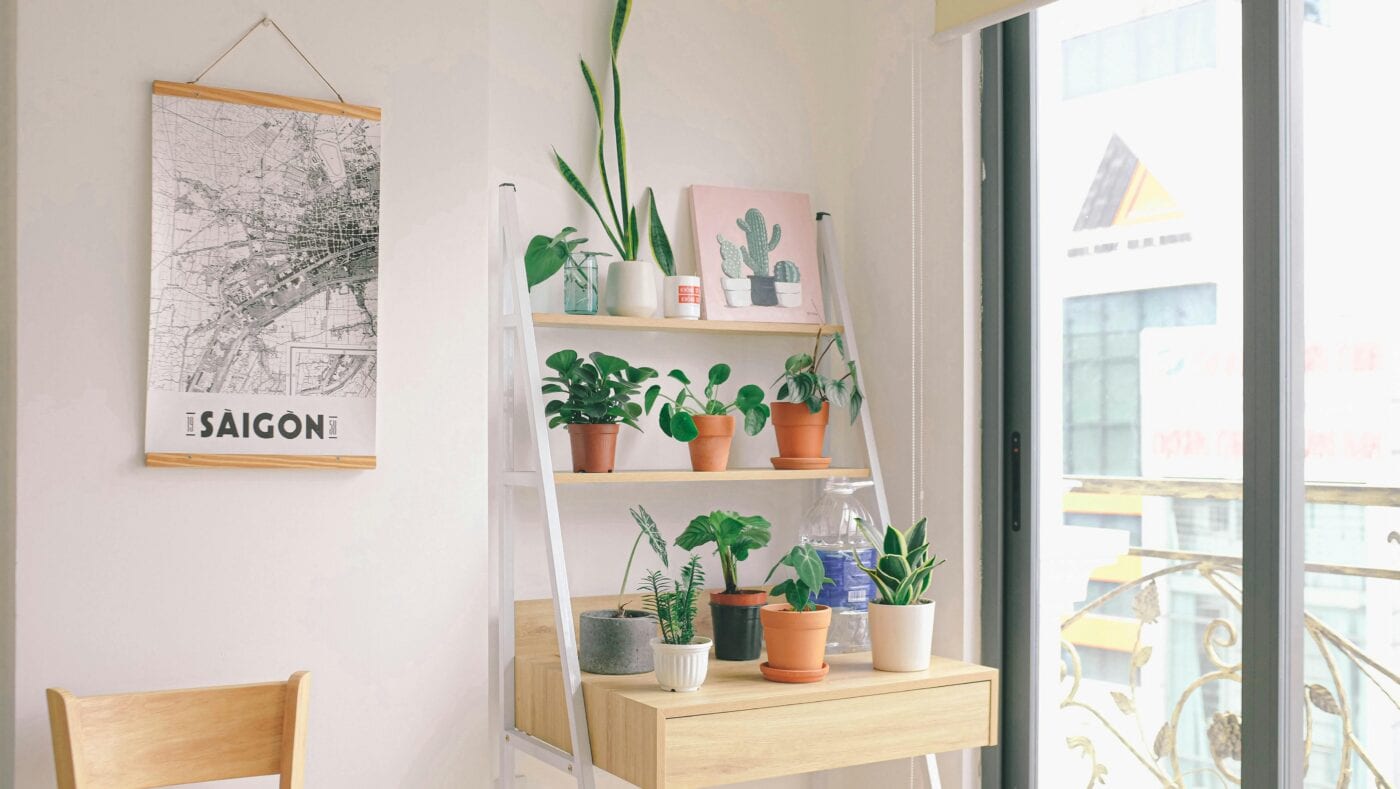
No minimalist home is complete without the vibrancy of plant life to soften the clean lines and neutral tones. We use indoor plants as living sculptures, placing tall greenery in corners or small potted plants on shelves to bridge the gap between indoors and outdoors. For those of us lacking a green thumb or sufficient light, high-quality faux succulents offer the same visual benefit without the maintenance. We might place a fern on a curved vanity to add an organic touch to a bathroom or hang trailing plants near a brick fireplace to contrast with the rigid masonry. These natural elements align with sustainable living trends, promoting a connection to nature that is central to both well-being and environmentally friendly homes.
Sustainable and Ethical Design Choices
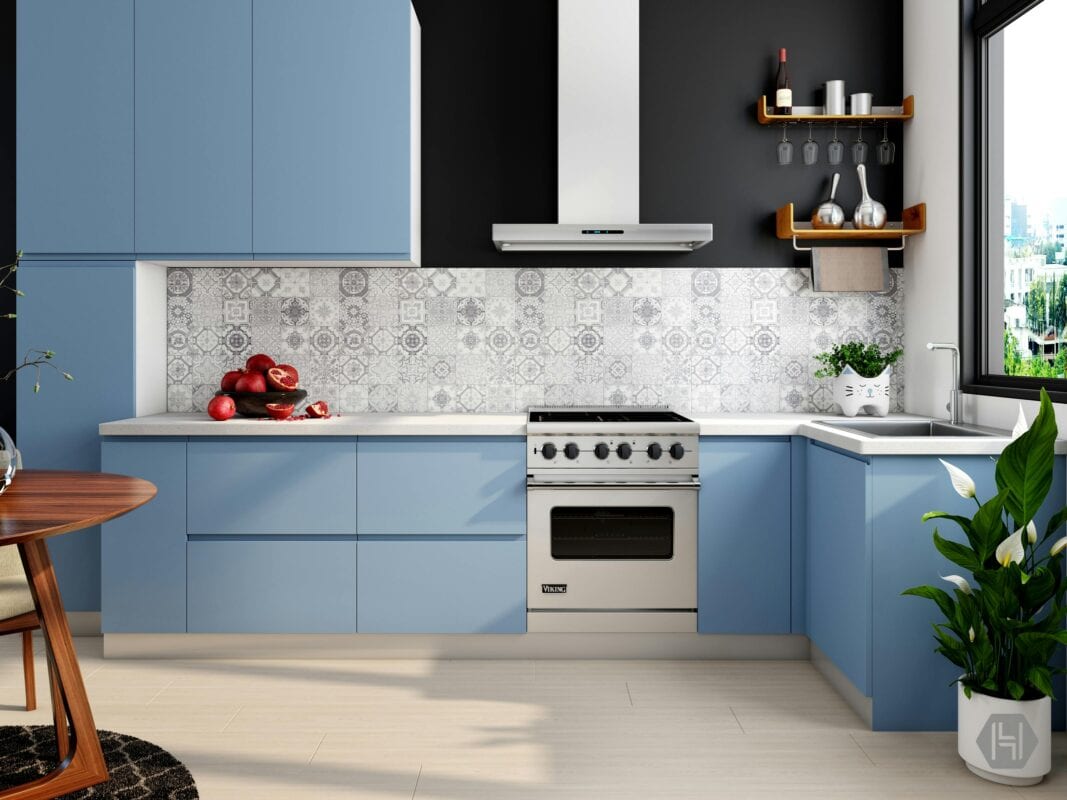
As we curate our homes, we are increasingly conscious of sustainable practises and the environmental impact of our consumption. We align with organizations like the World Green Building Council by prioritizing environmentally friendly goods and materials that are durable and ethically sourced. This might mean choosing an area rug made from recycled fibers or building a peg system for organization using sustainable timber. We prefer to shop at flea markets for vintage items rather than buying fast furniture, as this extends the lifecycle of existing goods and reduces waste. By making these conscious choices, we ensure our minimalist design journey is not only beautiful and budget-friendly but also responsible and forward-thinking.