

Home Decoration
Best Decorative Lamps for Modern Homes: A Stylish Guide
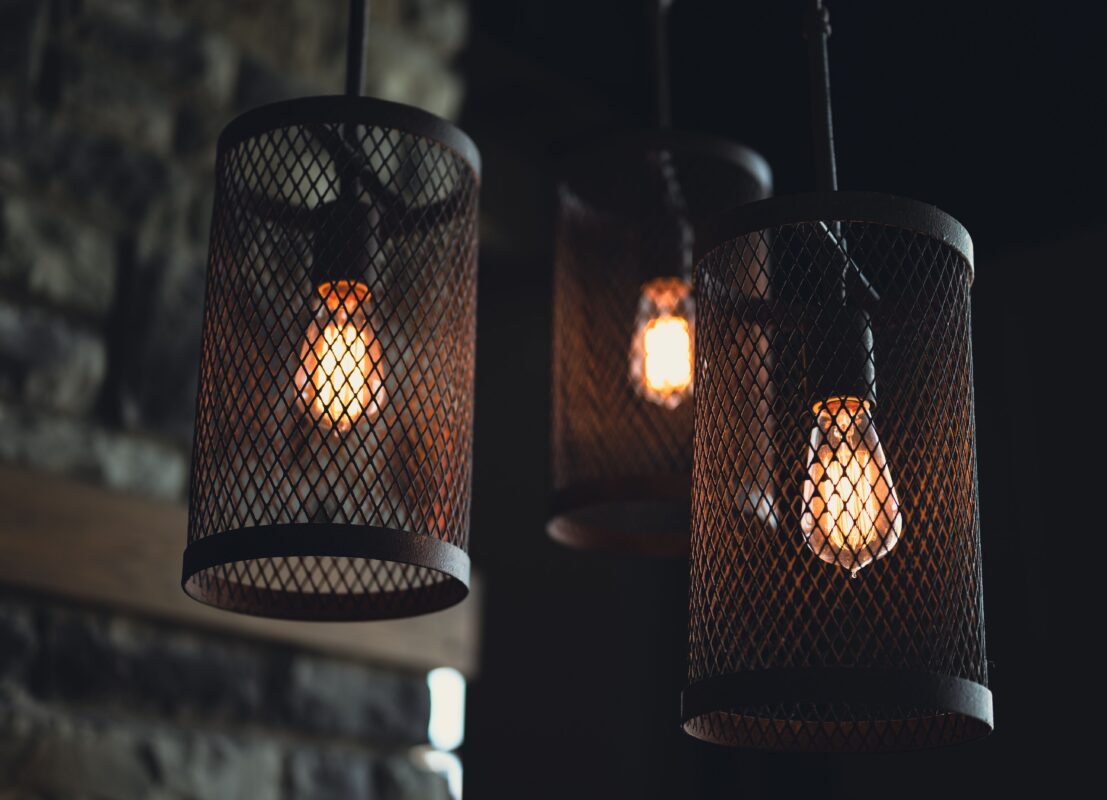
Best Decorative Lamps for Modern Homes
Lighting is one of the most influential elements in modern interior design. While furniture, wall finishes, and decorative accessories define a room’s visual character, the right lighting can transform how the space feels. The best decorative lamps for modern homes do more than illuminate a room. They create atmosphere, emphasise architectural details, and introduce a distinctive design element without overwhelming the interior.
In contemporary spaces, decorative lighting works best when it balances form and function. A sculptural table lamp can become a focal point on a console, while a minimalist pendant can provide both practical illumination and visual interest above a dining table. By choosing lamps that complement the proportions, materials, and colours already present in a room, we can create an interior that feels intentional and sophisticated.
What Makes a Decorative Lamp Suitable for a Modern Home?
Modern interiors generally benefit from simplicity, clean lines, thoughtful proportions, and carefully selected materials. However, modern does not necessarily mean plain. A decorative lamp can introduce personality through an unusual silhouette, textured shade, warm finish, or sculptural base while maintaining a refined overall appearance.
The most effective decorative lamps typically have a clear design identity. A curved ceramic lamp, for example, can soften a room dominated by straight architectural lines. Similarly, a metal lamp with a geometric silhouette can reinforce a contemporary aesthetic without requiring additional decorative objects. Proportion is equally important. A small lamp may disappear on a large sideboard, while an oversized design can make a compact room feel crowded. Consider the furniture around the lamp and the room’s overall scale before choosing.
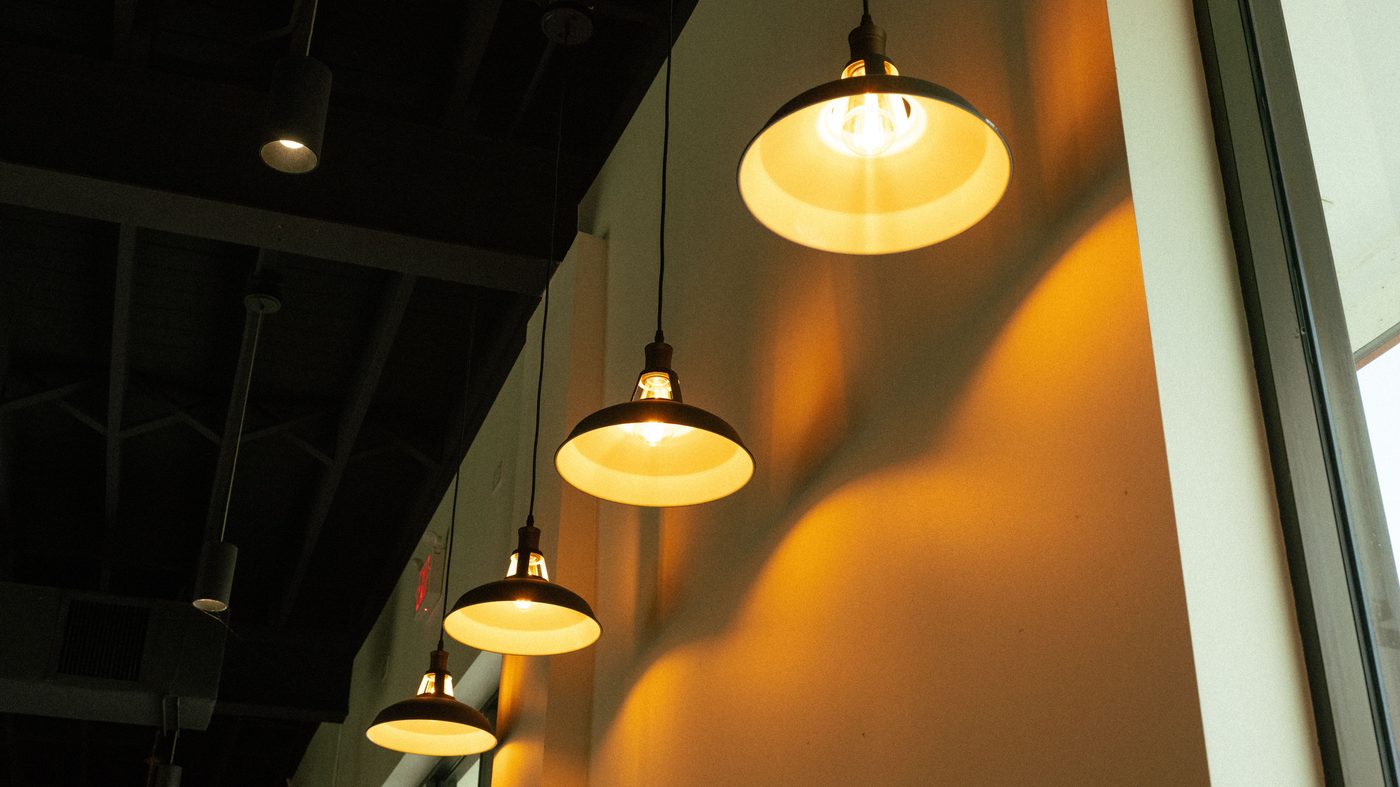
Table Lamps for Contemporary Living Spaces
Table lamps are among the most versatile decorative lighting options for modern homes. You can place them on bedside tables, consoles, sideboards, shelving units, or living room tables, making it easy to add layered lighting without major changes to the room. For a modern living room, a table lamp with a sculptural base can provide a subtle focal point. Materials such as ceramic, glass, brushed metal, natural stone, and wood can add visual texture while keeping the overall design sophisticated.
We can also use a pair of matching lamps to create symmetry. For example, identical lamps placed at opposite ends of a console can frame artwork or a decorative mirror. Alternatively, choosing two lamps with similar materials but different shapes can create a more relaxed, curated look.
Pendant Lamps for Dining and Kitchen Areas
Pendant lighting is particularly effective when we want decorative lighting to become a central feature of the room. Suspended above a dining table, kitchen island, or breakfast counter, a well-designed pendant can establish a visual anchor while providing useful illumination. Modern pendant lamps come in a wide variety of forms, from simple globe shades to dramatic sculptural arrangements. At the same time, black or metallic fixtures can provide stronger architectural definition. When selecting a pendant, we should consider the dimensions of the furniture beneath it. A fixture that is too small may look disconnected from a large dining table, while an excessively large pendant can dominate the space. The goal is to create visual balance between the lamp, furniture, and surrounding architecture.
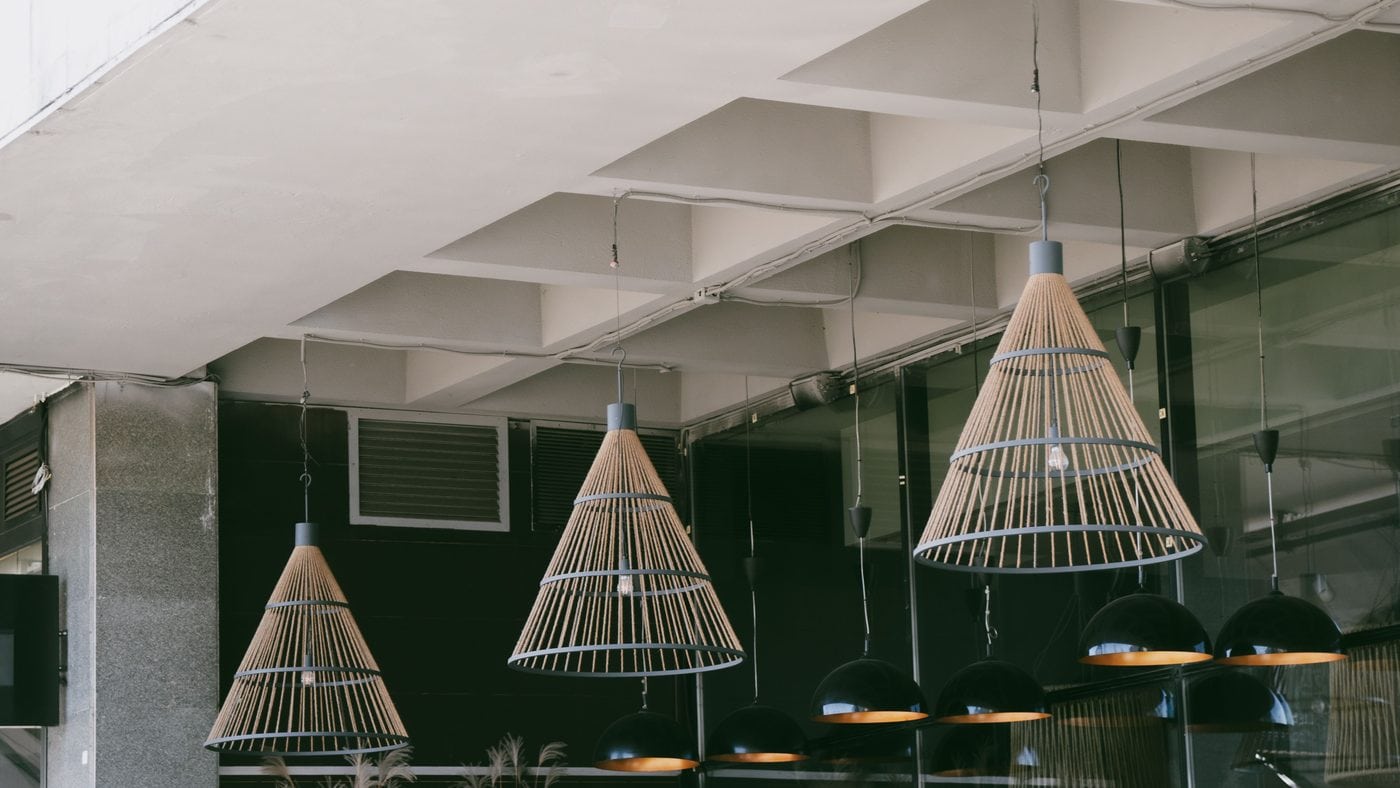
Floor Lamps for Layered Lighting
Floor lamps are an excellent choice when a room needs additional height and illumination without permanent installation. Their vertical form can draw the eye upward and help fill an otherwise empty corner. For modern homes, arched floor lamps are particularly useful beside sofas and reading chairs because their extended arms can direct light over a seating area. Slim tripod designs can provide a more relaxed decorative character, while minimalist metal floor lamps can reinforce a sleek contemporary interior.
Layering is an important principle in modern lighting design. Instead of depending on one central ceiling fixture, we can combine ambient lighting with floor lamps, table lamps, wall lights, and accent lighting. This approach gives us greater control over the room’s mood and functionality.
Decorative Lamps and Warm Ambient Lighting
A lamp’s appearance is only part of the equation. The quality and colour of its light can significantly affect a home’s atmosphere. In living rooms and bedrooms, warm-toned lighting generally creates a more comfortable, inviting environment. A decorative lamp with a fabric or frosted shade can diffuse the light, reducing harsh shadows and producing a softer glow.
In contrast, spaces designed primarily for focused tasks may need brighter, more direct illumination. A desk lamp, for example, should provide sufficient light for reading or working while still complementing the surrounding décor. We should therefore consider both the lamp itself and the type of bulb it uses. Together, they determine whether the fixture becomes a subtle source of ambience or a more functional lighting solution.
Choosing Materials That Complement Modern Interiors
Material selection can dramatically change a decorative lamp’s character. Glass tends to create a sophisticated, visually lightweight look, making it suitable for rooms where we want to maintain an open feel. Metal can add a contemporary or industrial quality, especially in black, brass, chrome, or other refined finishes.
Ceramic lamps are especially useful when we want to add texture and individuality. Their handcrafted appearance can soften minimalist interiors and introduce an organic quality without compromising a modern aesthetic. Natural materials such as wood and stone can also work beautifully in contemporary spaces. They add warmth and contrast to interiors featuring concrete, glass, or metal, creating a more balanced environment.
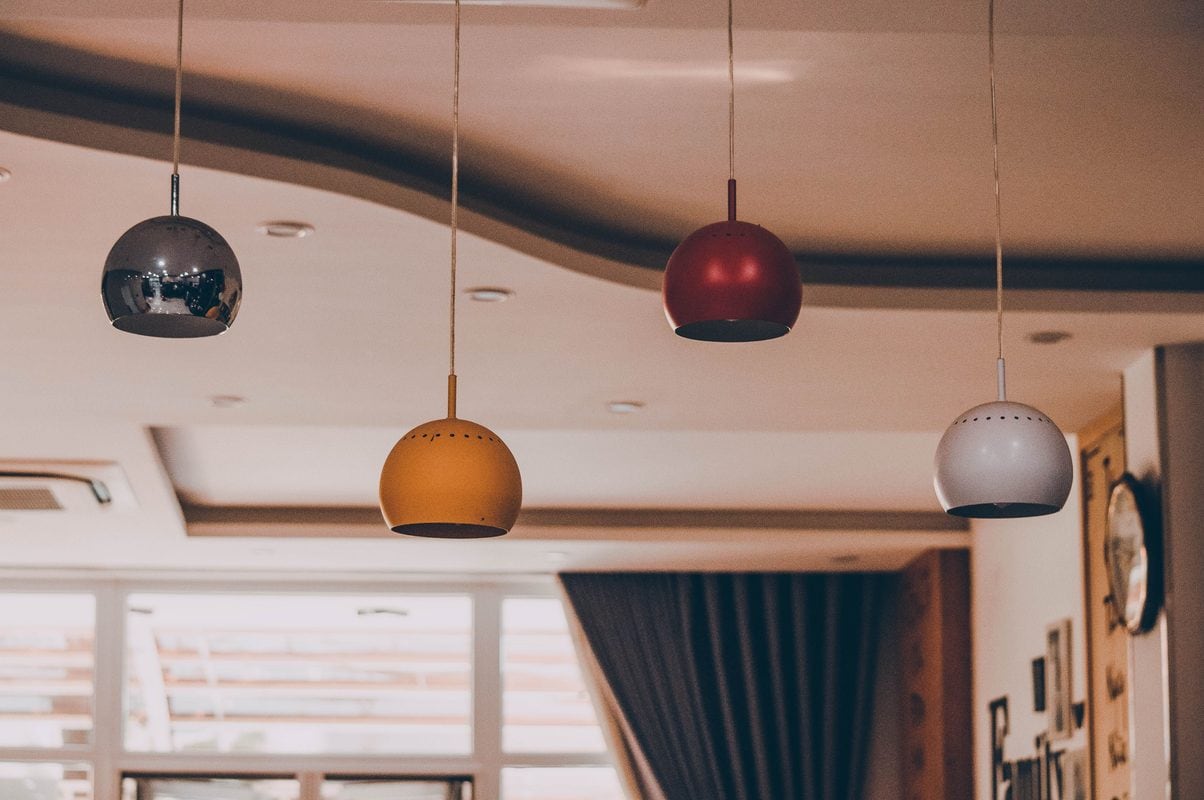
How to Choose the Right Decorative Lamp
When choosing the best decorative lamps for modern homes, start by identifying the lamp’s purpose. Is it intended to provide reading light, create ambience, highlight an object, or serve as a decorative focal point? Defining its role makes the selection process much easier. Next, consider the existing interior. A lamp should complement, not compete with, the room’s strongest features. If the space already contains elaborate furniture or artwork, a simpler lamp may provide the right balance. Conversely, a restrained interior can benefit from a more expressive sculptural fixture. Consider colour and finish carefully. Neutral lamps can blend seamlessly into a modern interior, while a carefully selected contrasting finish can create visual interest. Aim for repetition rather than exact matching—for example, a brass lamp can subtly echo brass cabinet hardware elsewhere in the room.
Creating a More Sophisticated Modern Home
The best decorative lamps for modern homes are not necessarily the most elaborate or expensive designs. Their value comes from how effectively they interact with the surrounding space. A thoughtfully selected lamp can introduce proportion, texture, warmth, and character while performing an essential practical function.
By combining table lamps, floor lamps, pendant lights, and other decorative fixtures, we can create layers of illumination that make a modern home feel more comfortable and visually sophisticated. The result is an interior where lighting becomes part of the design, not an afterthought. Whether we prefer minimalist forms, organic materials, sculptural silhouettes, or timeless finishes, the right decorative lamp can provide the final detail that brings a modern interior together.