

Home Decoration
Best Dining Table for Modern Homes: How to Choose the Perfect Centerpiece for Your Space
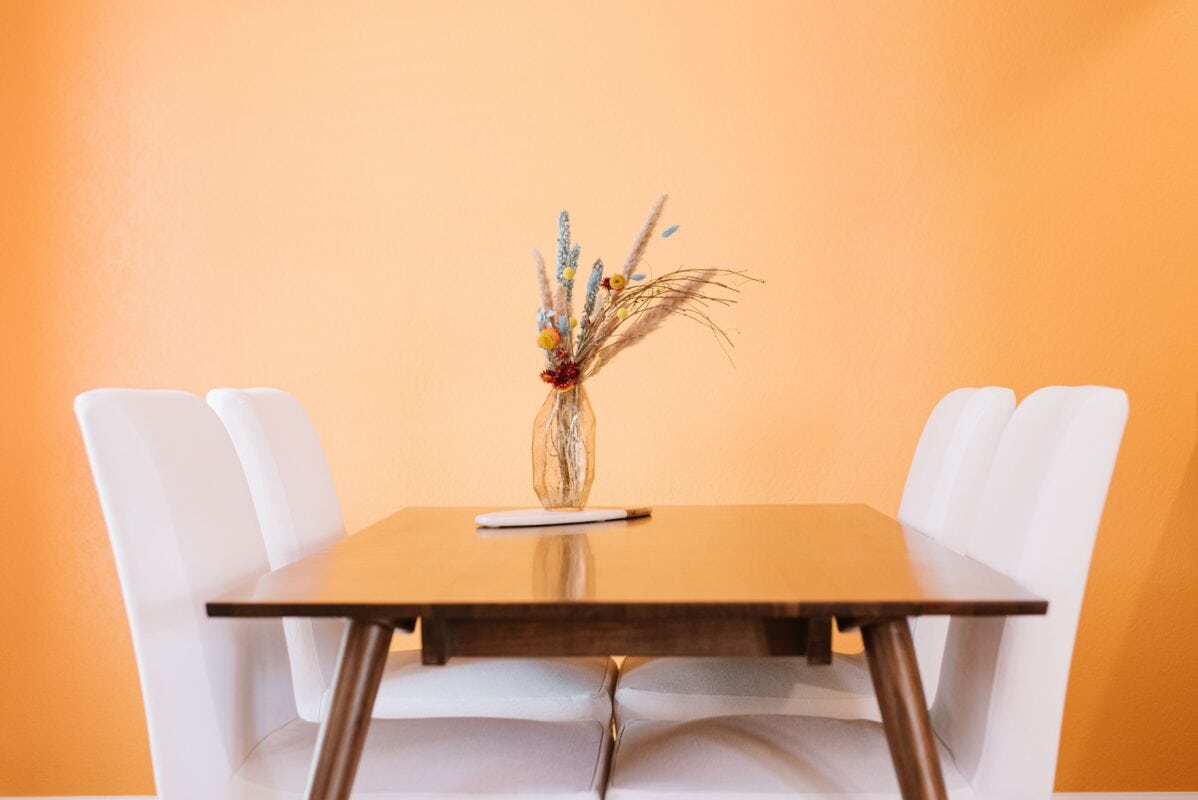
The dining table has evolved far beyond its traditional role as a place for meals. In modern homes, it often serves as the heart of daily life, bringing together family members for conversations, celebrations, work sessions, and memorable gatherings. As open-concept floor plans and multifunctional living spaces become increasingly popular, selecting the best dining table for modern homes requires careful consideration of both aesthetics and practicality.
A well-chosen dining table has the power to transform a room. It can establish the overall design direction of the space, improve functionality, and create an inviting atmosphere that encourages connection. Whether furnishing a compact apartment or a spacious family home, understanding the key factors involved in choosing a dining table can help ensure a lasting investment.
Why the Dining Table Is the Most Important Piece in the Dining Room
Few furniture pieces receive as much daily use as the dining table. Unlike decorative items that primarily serve a visual purpose, a dining table plays a central role in everyday activities. Families gather around it for meals, children complete homework assignments on its surface, and many professionals use it as an occasional workspace when working from home.
Because of its versatility, the dining table often becomes one of the most valuable pieces of furniture in the home. Beyond functionality, it also contributes significantly to the overall character of the interior. The right table can create a sense of warmth, sophistication, or modern simplicity depending on the materials, shape, and design selected.
Finding the Right Size for Your Space
One of the most common mistakes homeowners make is choosing a dining table based solely on appearance without considering scale. Even the most beautiful table can feel out of place if it overwhelms the room or fails to provide sufficient seating.
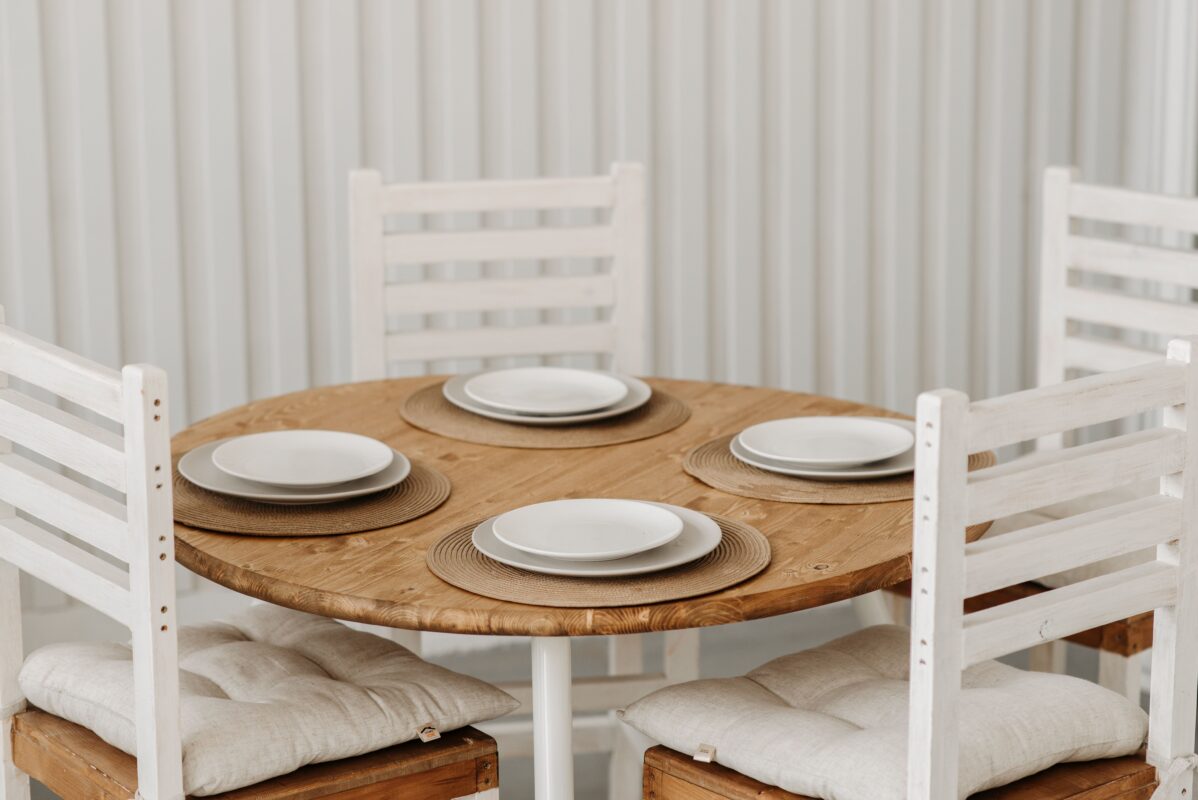
When selecting a dining table, it is essential to evaluate both the room dimensions and the number of people who will use it regularly. A compact dining area may benefit from a smaller round table that promotes conversation while preserving valuable floor space. Larger homes with dedicated dining rooms often have the flexibility to accommodate rectangular tables that comfortably seat six, eight, or more people.
Adequate clearance around the table is equally important. Leaving sufficient space between the table and surrounding walls allows chairs to be pulled out comfortably and ensures smooth movement throughout the room. This attention to proportion creates a balanced and harmonious environment that feels both functional and welcoming.
Choosing the Best Table Shape for Modern Living
The shape of a dining table influences not only the room’s appearance but also how people interact within the space.
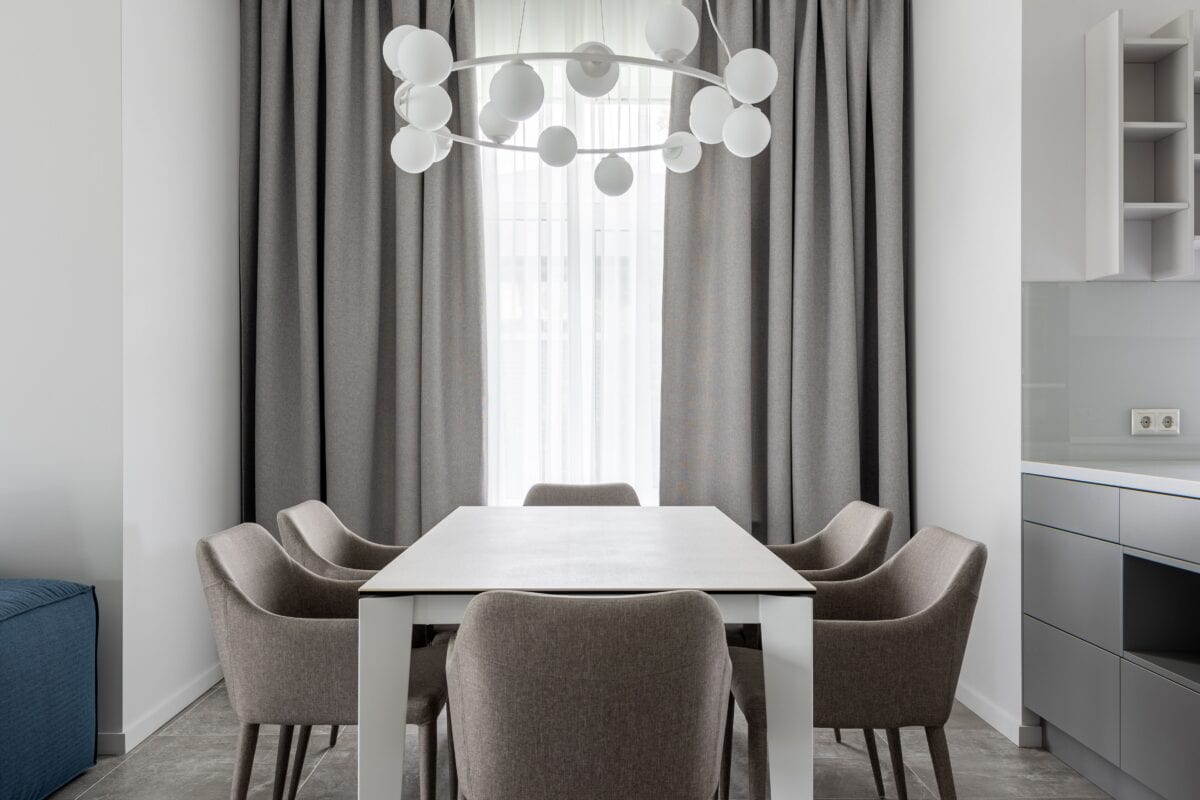
Rectangular dining tables remain the most popular choice for modern homes because they provide generous seating capacity and fit naturally within most room layouts. Their clean lines complement contemporary interiors and make them particularly suitable for larger households or those who frequently entertain guests.
Round dining tables have gained popularity in recent years due to their ability to create a more intimate dining experience. Without corners, they encourage conversation and can make smaller spaces feel less restrictive. They are often an excellent choice for apartments and compact dining areas where maximizing flow is a priority.
Oval tables offer a refined balance between the two styles. They provide much of the seating capacity associated with rectangular tables while introducing softer lines that contribute to a more elegant aesthetic. For homeowners seeking a sophisticated yet practical solution, oval dining tables often represent the ideal compromise.
Selecting the Best Material for Long-Term Value
Material selection plays a crucial role in determining the durability, maintenance requirements, and overall visual impact of a dining table.
Solid wood remains one of the most sought-after materials for modern dining rooms. Its natural beauty, strength, and timeless appeal make it a favorite among homeowners and interior designers alike. Woods such as oak, walnut, maple, and acacia each offer unique grain patterns and character, allowing homeowners to choose a style that aligns with their personal preferences.
Glass dining tables are often favored in contemporary interiors because they create an open and airy feeling. Their transparent surfaces reflect light and can make smaller rooms appear larger than they actually are. This quality makes glass particularly attractive in urban apartments and compact homes where maximizing visual space is important.
For those seeking luxury and sophistication, marble dining tables offer a striking visual statement. The distinctive veining found in natural stone ensures that each table is unique, while its premium appearance elevates the overall atmosphere of the dining room. Although marble typically requires more care than other materials, many homeowners consider its beauty well worth the investment.
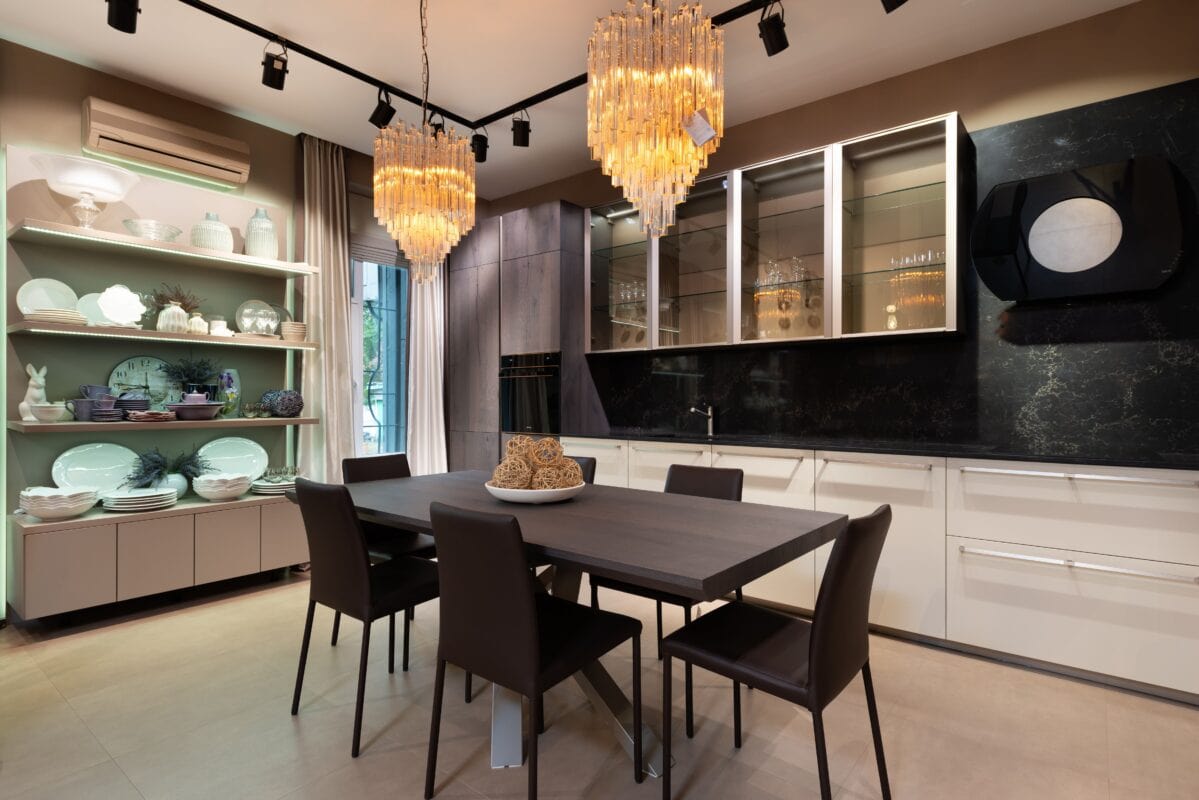
Modern furniture designers increasingly combine multiple materials to create visually dynamic dining tables. Metal bases paired with wood, stone, or glass surfaces provide excellent structural support while introducing contemporary design elements that complement modern interiors.
Features That Enhance Everyday Living
Today’s homeowners often expect more from furniture than previous generations. As a result, modern dining tables frequently incorporate features designed to improve convenience and flexibility.
Extendable dining tables have become especially popular because they adapt easily to changing needs. During everyday use, they maintain a compact footprint. When guests arrive or family gatherings take place, additional leaves can be added to create extra seating without requiring a permanently larger table.
Durability is another important consideration. Dining tables are exposed to daily wear, including spills, scratches, and frequent use. Choosing materials and finishes that withstand these challenges helps preserve the table’s appearance and extends its lifespan.
Sustainability has also become an increasingly influential factor in purchasing decisions. Many homeowners now seek furniture produced from responsibly sourced materials and manufactured using environmentally conscious practices. Investing in sustainable furniture not only benefits the environment but often results in higher-quality craftsmanship as well.
Matching Your Dining Table to Modern Interior Styles
The best dining table for modern homes should complement the overall design language of the interior. A cohesive approach helps create a sense of unity throughout the living space.
Minimalist interiors typically favor tables with clean lines, understated forms, and neutral finishes. These designs prioritize simplicity while maintaining a refined appearance. Scandinavian-inspired homes often embrace natural wood tones and functional craftsmanship, creating spaces that feel bright, warm, and inviting.
Industrial interiors commonly feature dining tables that incorporate metal frames, reclaimed wood surfaces, and darker finishes. This combination introduces texture and character while preserving a contemporary edge.
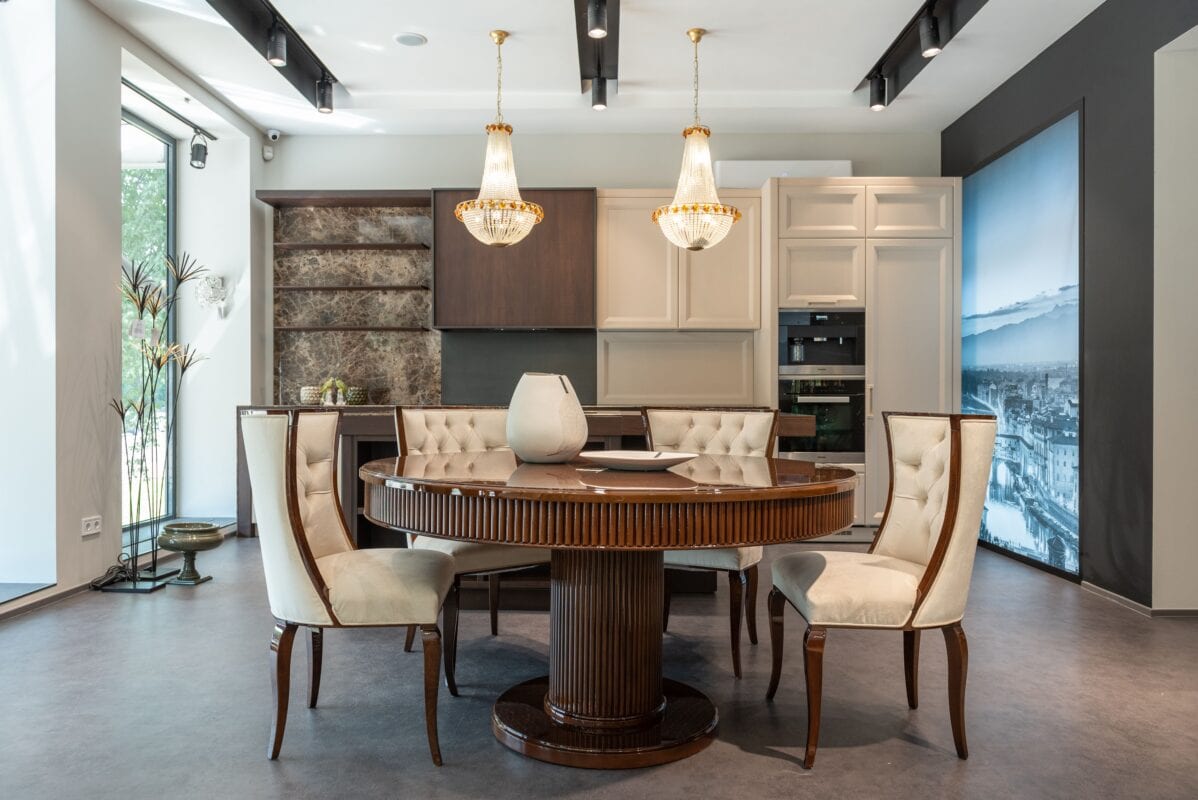
For luxury-focused interiors, statement dining tables crafted from marble, premium hardwoods, or sculptural materials can serve as the focal point of the room. These pieces often function as both furniture and art, elevating the overall design experience.
Common Mistakes to Avoid When Buying a Dining Table
While selecting a dining table may seem straightforward, several common mistakes can negatively impact both aesthetics and functionality.
Many homeowners underestimate the importance of accurate measurements, leading to tables that feel disproportionate within the room. Others prioritize visual appeal without considering maintenance requirements, resulting in surfaces that become difficult to care for over time.
It is equally important to think about future needs. A dining table should accommodate not only current household requirements but also occasional guests and changing lifestyles. Taking a long-term perspective often leads to a more satisfying investment.
Conclusion
Finding the best dining table for modern homes involves much more than choosing a design that looks attractive in a showroom. The ideal dining table should balance beauty, comfort, durability, and practicality while reflecting the unique character of the home.
By carefully considering size, shape, material, and functionality, homeowners can select a dining table that enhances everyday living and remains relevant for years to come. As the centerpiece of countless meals, celebrations, and conversations, a thoughtfully chosen dining table becomes more than furniture—it becomes an essential part of the home’s story.