

Home Decoration
Sustainable Home Renovation Ideas on a Budget: Smart Upgrades for an Eco-Friendly Home
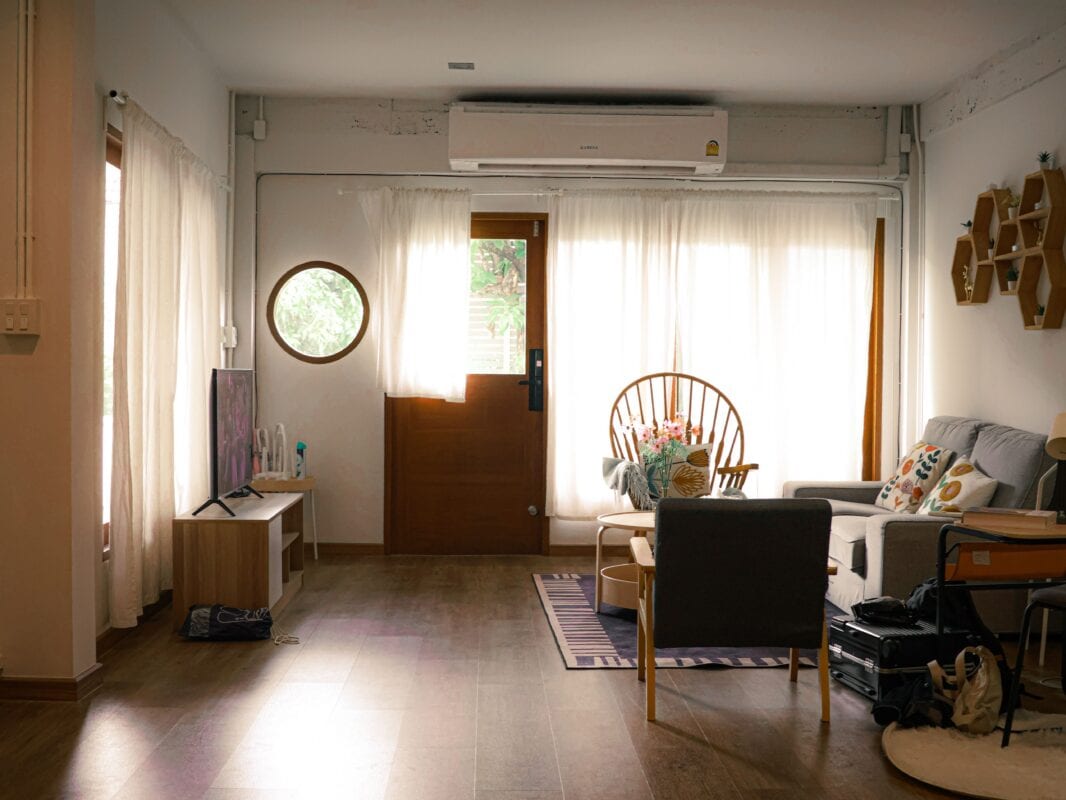
Home renovation projects are often associated with high costs, significant waste, and extensive resource consumption. However, creating a more environmentally responsible living space does not require a large budget. Through thoughtful planning and strategic improvements, we can embrace sustainable home renovation practices that reduce environmental impact while enhancing comfort and long-term value.
Today, homeowners are increasingly aware of how their choices affect energy consumption, natural resources, and their overall carbon footprint. As concerns about climate change continue to grow, affordable, sustainability-focused upgrades have become a practical solution for creating healthier, more efficient living environments.
Why Sustainable Home Renovation Matters
Traditional renovation projects often generate significant construction waste and rely on new materials that require extensive energy and natural resources to produce. In contrast, sustainable renovations focus on efficiency, durability, and resource conservation.
Beyond environmental benefits, sustainable upgrades can lower utility bills, improve indoor comfort, increase property value, and reduce maintenance costs. Whether renovating a detached house, townhouse, or even an hdb flat, eco-conscious improvements can contribute to more resilient and sustainable homes.
A well-planned renovation also improves energy efficiency, reducing dependence on electricity generated from fossil fuels and helping households lower their monthly expenses.
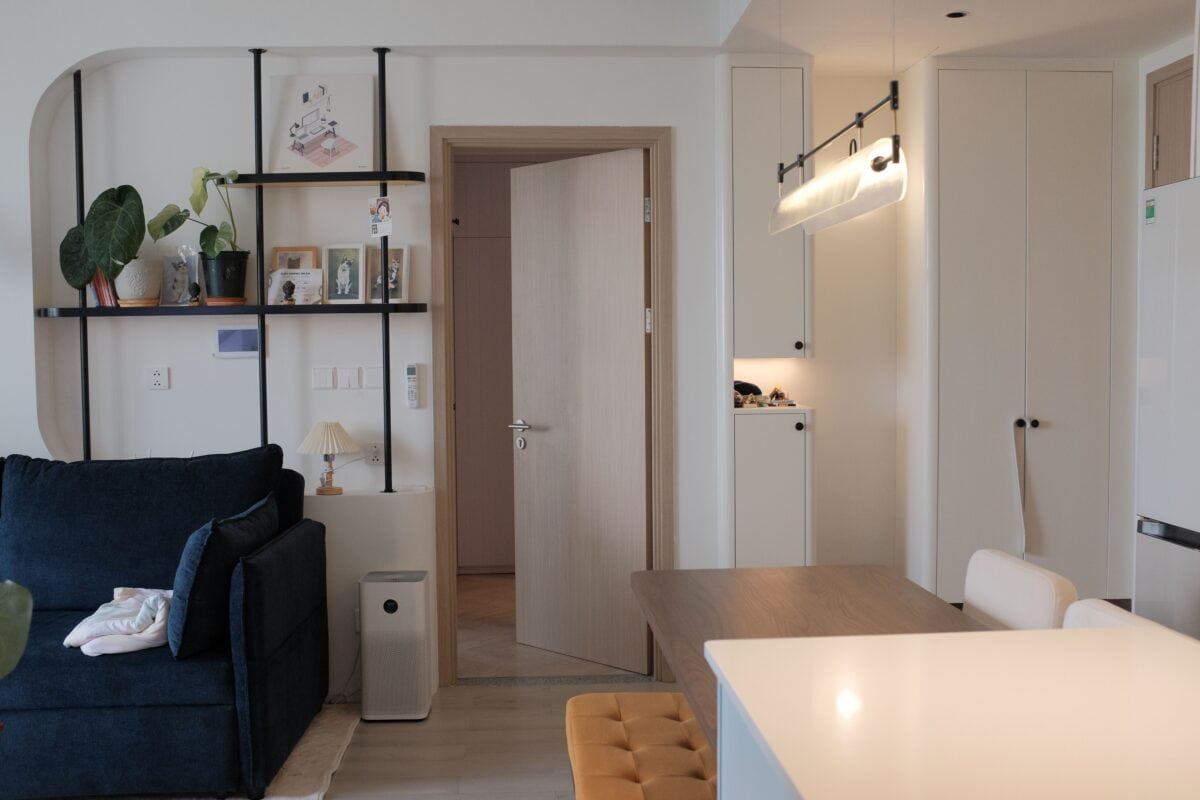
Upgrade Lighting for Immediate Savings
One of the most affordable sustainable home renovation ideas is replacing outdated lighting with energy-efficient alternatives. Modern LED lights consume significantly less electricity than traditional incandescent bulbs while lasting many times longer.
Investing in LED lighting and smart lighting systems can further optimise electricity use. Motion sensors, timers, and automated controls ensure lights are used only when necessary, reducing unnecessary energy waste.
To maximise natural illumination, homeowners can incorporate reflective surfaces and lighter interior finishes. These simple interior design adjustments reduce reliance on artificial lighting while creating brighter, more inviting living spaces.
Improve Insulation Without Major Construction
Heating and cooling account for a substantial portion of household energy use. Poor insulation allows conditioned air to escape, forcing HVAC systems to work harder and increasing overall energy consumption.
Fortunately, improving insulation does not always require extensive construction work. Affordable solutions include:
- Sealing gaps around doors and windows
- Installing weather stripping
- Adding door sweeps
- Using thermal curtains
- Applying caulk to visible cracks
- Implementing effective air sealing
For homeowners seeking greater efficiency gains, installing double-pane or double-glazed windows, or advanced low-emissivity glass, can significantly reduce heat transfer. These energy-efficient windows help maintain comfortable indoor temperatures year-round while lowering utility costs.
Some homeowners even use thermal imaging technology to identify hidden air leaks and insulation weaknesses before starting renovation projects.
Refresh Existing Materials Instead of Replacing Them
Many homeowners automatically replace cabinets, furniture, flooring, and fixtures during renovations. However, refurbishment is often more sustainable and budget-friendly.
Kitchen cabinets can be painted and upgraded with stylish cabinet knobs instead of being discarded. Existing furniture can be refinished or transformed into attractive reclaimed furniture. Flooring can often be restored rather than replaced entirely.
Choosing to reuse materials supports green remodeling practices and reduces waste. It also helps preserve valuable resources while maintaining the home’s unique character.
Choose Reclaimed and Recycled Materials
When replacement becomes necessary, reclaimed materials and recycled materials offer environmentally responsible alternatives to newly manufactured products.
Popular choices include:
- reclaimed wood for shelving and accent walls
- Recycled metal fixtures
- Salvaged bricks
- Repurposed doors and windows
- timber composites for durable construction applications
These materials often cost less than new products while adding character and authenticity. Integrating natural materials and reclaimed resources into a renovation project supports both sustainability and affordability.
Install Water-Saving Fixtures
Water conservation plays an important role in sustainable renovation. Upgrading to low-flow fixtures is a practical investment that delivers immediate savings.
Budget-friendly options include:
- Low-flow showerheads
- Water-efficient faucets
- Dual-flush toilets
- Faucet aerators
For homeowners seeking greater sustainability, installing rainwater tanks can help capture rainwater for gardening and outdoor cleaning. These systems reduce demand on municipal water supplies and lower utility expenses over time.
Select Eco-Friendly Paints and Finishes
Many conventional paints contain volatile organic compounds (VOCs), which can negatively affect indoor air quality. Sustainable renovation projects prioritise low-VOC paints and environmentally responsible finishes.
These eco-friendly materials create healthier living environments while reducing harmful emissions. Homeowners can also consider sustainable floor coatings that improve durability without introducing unnecessary pollutants into the home.
A fresh coat of paint remains one of the most affordable ways to refresh a space while supporting healthier indoor air quality.
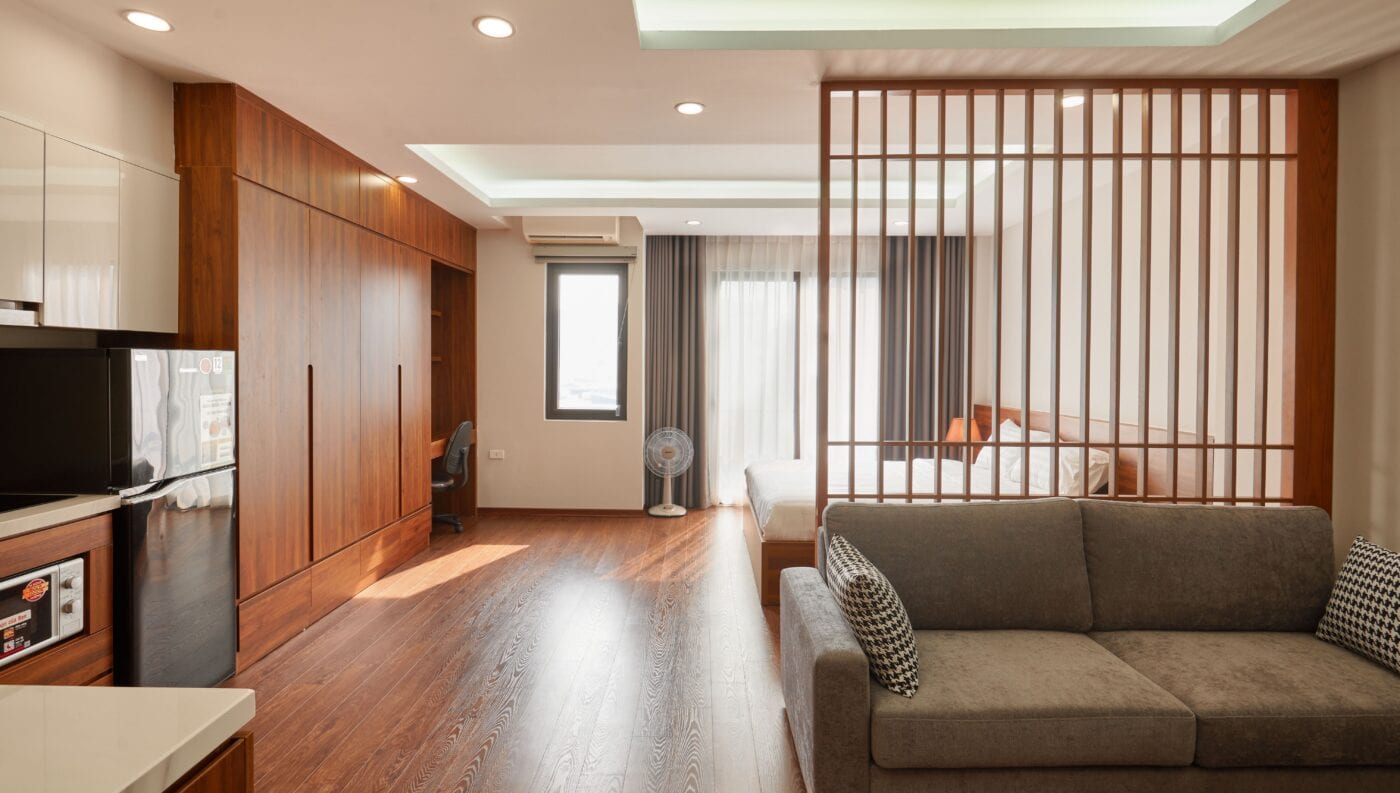
Incorporate Energy-Efficient Appliances Gradually
Replacing every appliance simultaneously may exceed a renovation budget. Instead, homeowners can upgrade appliances over time as older models reach the end of their lifespan.
Modern energy-efficient appliances consume less electricity and water while delivering improved performance. Prioritising energy-star-rated appliances can significantly reduce operating costs.
Additional upgrades such as a programmable or smart thermostat, a tankless water heater, and an induction cooktop can further improve household efficiency. Pairing these technologies with efficient energy-efficient systems helps reduce waste and improve overall home performance.
Explore Renewable Energy Solutions
Renewable energy is becoming increasingly accessible to homeowners. While installing solar panels may require an upfront investment, many households experience long-term savings through reduced electricity bills.
In areas where rooftop solar installation is impractical, participation in community solar farms may provide access to the benefits of renewable energy. Utilising solar power reduces dependence on traditional energy sources and supports broader environmental goals.
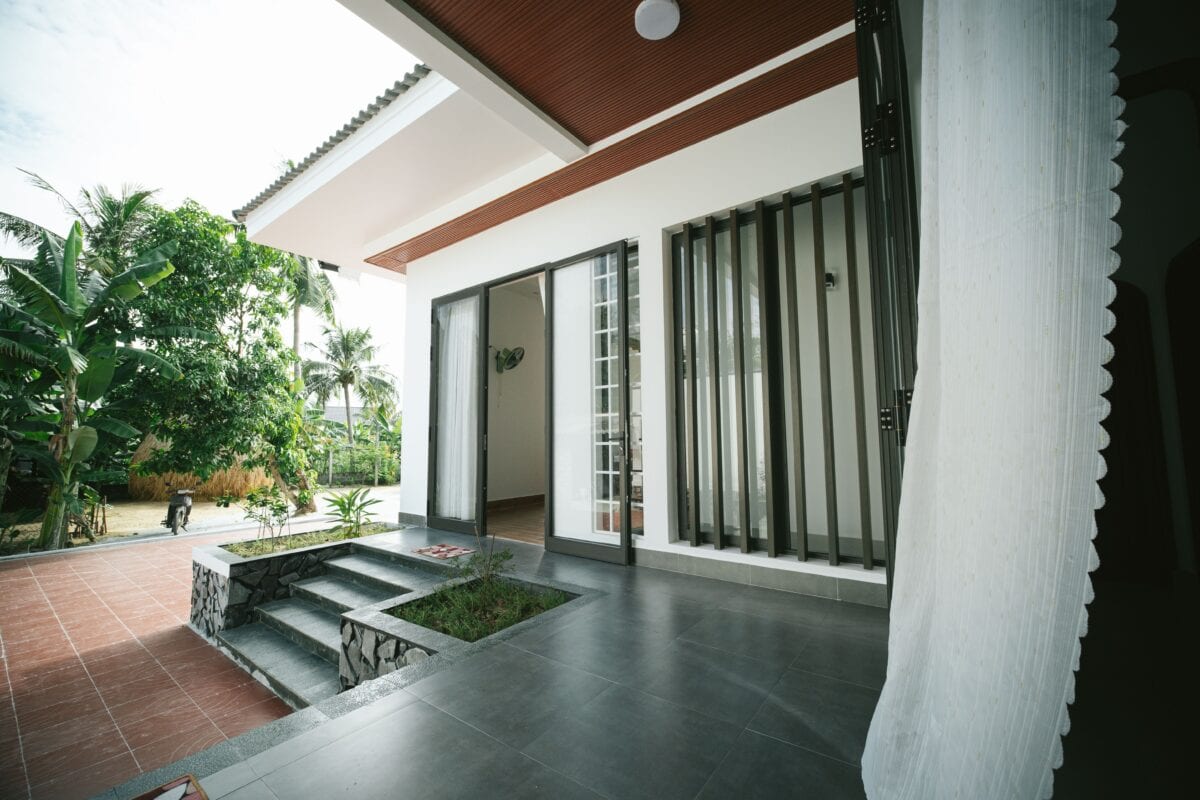
Create Sustainable Outdoor Spaces
Eco-friendly renovations extend beyond interior spaces. Outdoor improvements can enhance sustainability while increasing property appeal.
Affordable ideas include:
- Planting native vegetation
- Creating composting areas
- Building raised garden beds using reclaimed wood
- Installing rainwater tanks
- Incorporating natural stone landscaping
Some homeowners explore advanced options such as a green roof, vegetation roof, or cool roof. These features can improve insulation, reduce stormwater runoff, and contribute to healthier urban environments.
Long-Term Benefits of Budget-Friendly Sustainable Renovations
Sustainable home renovation ideas on a budget demonstrate that environmental responsibility and affordability can go hand in hand. Small improvements such as upgrading lighting, improving insulation, incorporating reclaimed wood, installing energy-efficient appliances, and using eco-friendly materials can generate meaningful savings while reducing environmental impact.
Whether implementing simple DIY projects or pursuing a more comprehensive sustainable home-building strategy, every improvement contributes to a more efficient and resilient property. By focusing on smart upgrades that enhance energy efficiency, homeowners can create comfortable, attractive spaces that cost less to operate and support a healthier future.
The most successful home renovation projects balance aesthetics, functionality, and sustainability. Through thoughtful planning and strategic investments, we can create homes that are both environmentally responsible and financially rewarding for years to come.