

Uncategorized
Eco-Friendly Commercial Building Design: Leading the Transformation of Sustainable Architecture

Rethinking the Built Environment
Eco-friendly commercial building design is setting ambitious new standards in the building industry. By integrating sustainability into every phase, from urban planning projects to daily operations, modern commercial office buildings surpass traditional construction. The influence of Green Building Councils and accreditation programs such as LEED Platinum and Green Mark Platinum guides projects toward better resource efficiency, lower environmental impacts, and healthier indoor air quality. These standards are not simply checklists; they shape the philosophy behind each decision, ensuring that buildings contribute positively to communities, business objectives, and the planet.
Embracing Integrated, Sustainable Design Principles
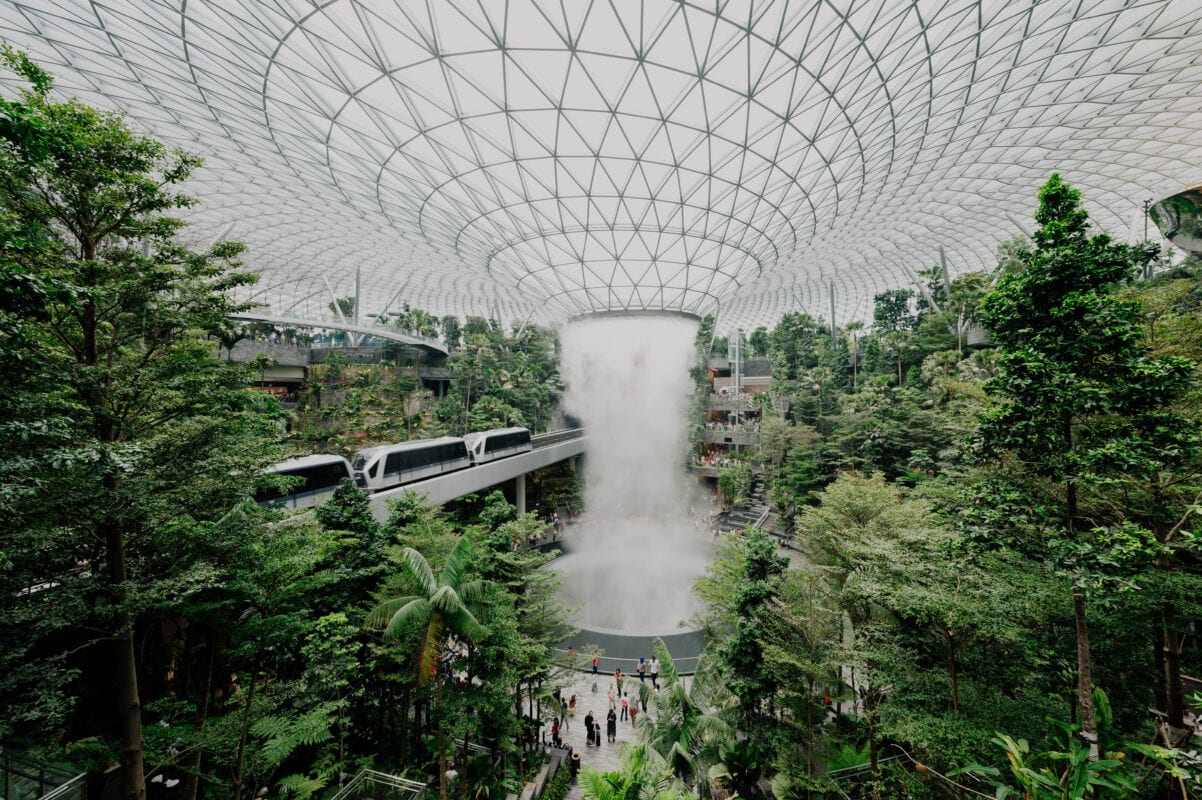
A truly sustainable building starts with the proper foundation. Site selection, for example, often considers microclimate studies and proximity to public transportation, which aligns with urban master plans such as the One-North Masterplan and Singapore Green Plan 2030. Sustainable design is not limited to materials and energy use; it encompasses a broader range of considerations. It begins with intelligent urban integration, including landscaping choices such as green roofs and water-efficient stormwater management techniques. Frameworks such as the International Green Construction Code and BCA Green Mark Scheme promote this holistic perspective, helping shape resilient, high-performing spaces.
Energy Efficiency, Net Zero, and Smart Systems
Energy consumption is a defining feature of any commercial building’s environmental footprint. Eco-friendly commercial buildings now set ambitious goals toward Net Zero, supported by advanced HVAC systems, solar panels, and sensor systems that respond dynamically to occupancy and local climate conditions. With building information modelling (BIM) and remote intelligent control, facility managers can fine-tune performance, minimise waste, and extend the life of critical systems. These strategies are illustrated in pioneering locations, such as the Schneider Electric East Asia & Japan Headquarters, where operational data informs continuous improvement of efficiency.
Materials Matter: Sustainable Choices and Interior Health
The choice of materials has a significant impact on both the sustainability and livability of a building. The shift toward recycled steel, low-carbon concrete, reclaimed hardwood, and sheep’s wool insulation reduces embodied energy and environmental impact. Certification systems like LEED v4 and DGNB System, which emphasise Environmental Product Declarations and life cycle assessments, encourage these choices by awarding credits for sustainable material sourcing. High-performance interiors focus equally on wellness, using low-VOC paints, active microbial filtration systems, and biophilic design to support occupant health and enhance productivity.
Water Efficiency and Resilient Infrastructure
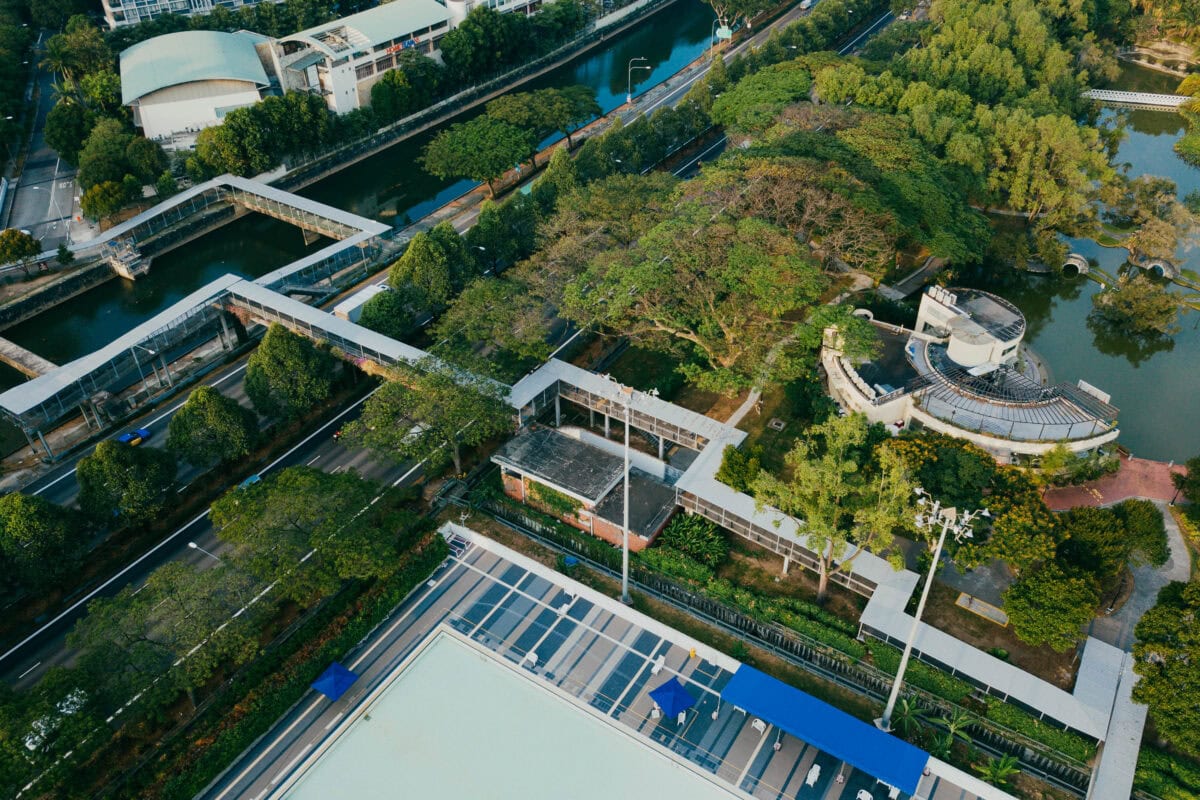
With water scarcity a growing concern, water efficiency plays a pivotal role in sustainable commercial buildings. Strategies include rainwater harvesting, greywater systems, and advanced interior fixtures that lower consumption without compromising comfort. These features not only ensure compliance with leading standards, such as the BCA Green Mark, but also provide meaningful operational savings and environmental resilience.
Achieving and Maintaining Green Accreditation
Certification remains a powerful driver of progress in the sector. LEED, Green Mark, and other green building accreditation schemes reward design innovation, operational excellence, and ongoing improvement. Comprehensive certification processes utilise tools such as LEED Online, regular life cycle analysis, and robust Sustainability Reporting Frameworks. In places like Singapore, incentives such as the Green Mark Incentive Scheme for Existing Buildings 2.0 encourage the retrofitting of existing structures. At the same time, awards like the APN Awards and the Asia Pacific Leadership in Green Building Awards raise the profile of groundbreaking projects.
Case Studies: Defining Excellence in Practice
Leading developments, ranging from Gardens by the Bay and Parkroyal on Pickering to Menara IQ and PanU Illuma, demonstrate how sustainable commercial buildings can become urban icons. Through the harmonious integration of advanced stormwater management, skyrise greenery, sensor-driven lighting, and community-centred interior design, these sites prove the value of comprehensive green building strategies.
Staying Ahead of Regulatory and Market Trends
The future of eco-friendly commercial building design depends on a proactive response to evolving regulatory compliance requirements and global standards. Stakeholders are turning to resources such as the Construction Workforce Registration System, robust sustainability reporting, and advanced permit-to-operate processes to remain competitive and ethical in a rapidly changing field. Industry initiatives, research centres like the Future Cities Laboratory, and events such as biennial leadership summits further support knowledge sharing and professional growth.
Creating Lasting Value for Businesses and Communities
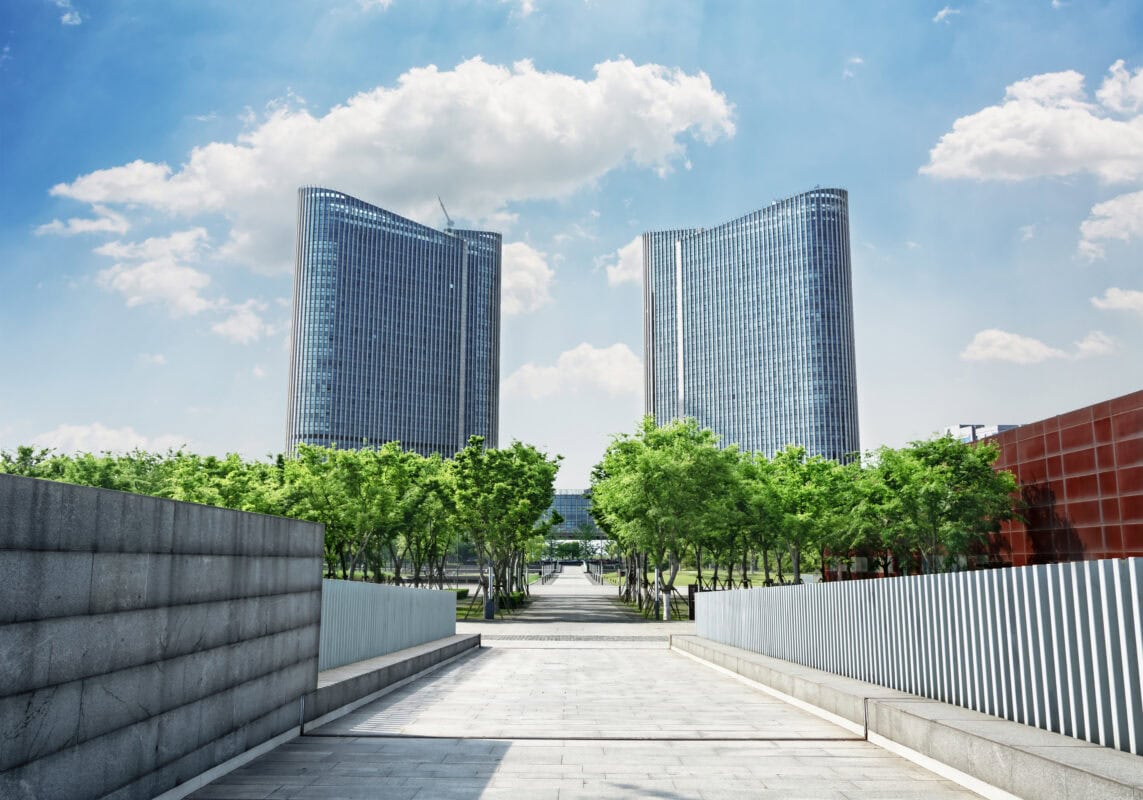
Investments in sustainable building design yield financial rewards, operational efficiency, improved occupant health, and significant contributions to environmental sustainability. Projects recognised with LEED-certified green buildings, Green Mark Platinum, or international awards become benchmarks that inspire broader change. They advance an environmental agenda for cities, countries, and the world.
Conclusion: The New Standard in Commercial Building
Eco-friendly commercial building design is not a trend, but a new paradigm in the built environment. By integrating energy efficiency, sustainable materials, innovative systems, and robust certification processes, the industry affirms a commitment to healthier environments and enduring urban vitality. As we move forward, these green building innovations empower companies, developers, and communities to create commercial spaces that are not only functional and aesthetically pleasing but also actively regenerative and future-proof.