

Home Decoration
Elements of Interior Design Explained for Stunning Spaces

Interior design is grounded in a thoughtful design process that blends style, comfort, and purposeful function. Successful interior designers rely on the elements of design as their guiding framework. These principles direct everything from furniture layout to colour schemes, balancing negative space and positive space, and delivering environments with genuine visual interest and wellbeing.
Space Planning Sets the Stage
Effective space planning is the grounding element of any interior scheme. Every floor plan must account for both negative space and positive space, shaping how people move and interact. Interior architecture professionals maximise open negative space for circulation while positioning curated furnishings and storage solutions to create focal points. Carefully chosen area rugs often define zones, establishing the boundary between communal and private space without causing clutter.
The Power of Lines: Vertical Lines, Horizontal Lines, Curved Lines, and Dynamic Lines
Lines are among the strongest Elements of Design. Vertical lines—created by tall shelving, floor-to-ceiling curtains, or elongated rectangle shapes—draw the eye upwards, giving the illusion of higher ceilings and grandeur. Long vertical lines or narrow rectangular forms quickly transform a compact room, lending verticality and openness. In contrast, horizontal lines from ottomans, sofas, or area rugs ground the scheme, imparting stability and restfulness. Dynamic lines and curved lines, appearing as organic shapes in furniture or wall treatments, introduce movement and break the monotony of geometric shapes, lending real personality to a design concept.
Form and Shapes: From Geometric to Organic
Form defines the three-dimensional feel of a room. Interior designers use geometric shapes—such as squares and rectangles in floor plans—to clarify structure, strengthen furniture layout, and accentuate focal points. Organic shapes, inspired by natural shapes and curves, soften edges and create a more relaxed atmosphere. Integrating both types within an interior decoration project adds depth and complexity, offering balance and harmony to an interior scheme.
Lighting Types: Balancing Natural and Artificial Light
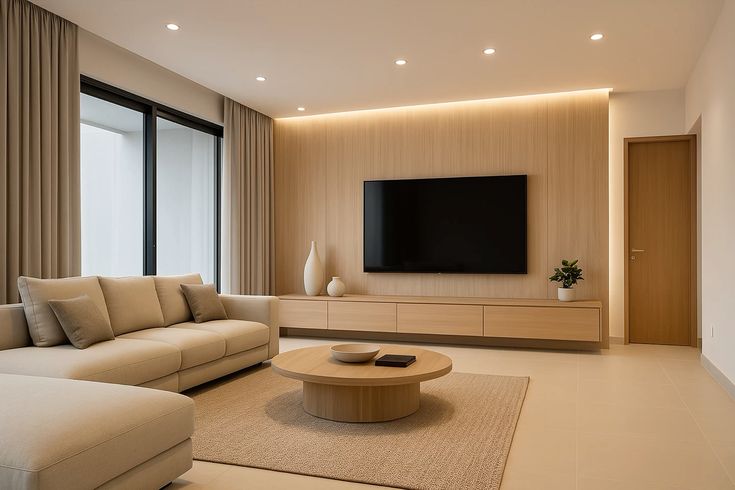
Lighting is one of the most transformative elements in the interior design process. Maximizing natural light is essential for a healthy, uplifting environment. Interior designers use large windows, light wall treatments, and reflective flooring to boost natural lighting. Artificial lighting complements this, with a layered approach: ambient lighting from ceiling lights or recessed lighting offers general illumination, while task lighting and accent lighting, such as LED lights or strategic table lamps, provide focus and mood. Dimmer switches give flexibility for different activities and moments. A considered lighting collection ensures every interior space glows with warmth and character.
The Influence of Colour: Colour Palette, Paint Colours, and Colour Theory
A carefully organised colour palette sets the emotional tone of a room. Interior design concepts harness colour schemes rooted in colour theory, using complementary and analogous shades for balance. Paint colours, textiles, and flooring unite to create harmony, with each surface adding a specific nuance. Lighter colours visually expand narrow spaces, while richer tones create intimacy in larger floor plans. Consistent colour palette selection supports the interior scheme, connecting each element into a seamless whole.
Texture and Pattern: Building Visual Interest
Texture and pattern provide layers of sensory appeal. Wall treatments, Bengal rugs, and sculpted surfaces add dimension, while a mix of old pieces and new furnishings keeps interiors dynamic. An area rug in plush wool might sit beneath a clean-lined sofa, offering tactile contrast. Decorative cushions introduce pattern, invigorating calm colour schemes with added energy. These details form central focal points and ensure interior decoration feels curated and intentional.
Furnishings and Accessories: Crafting Individual Style
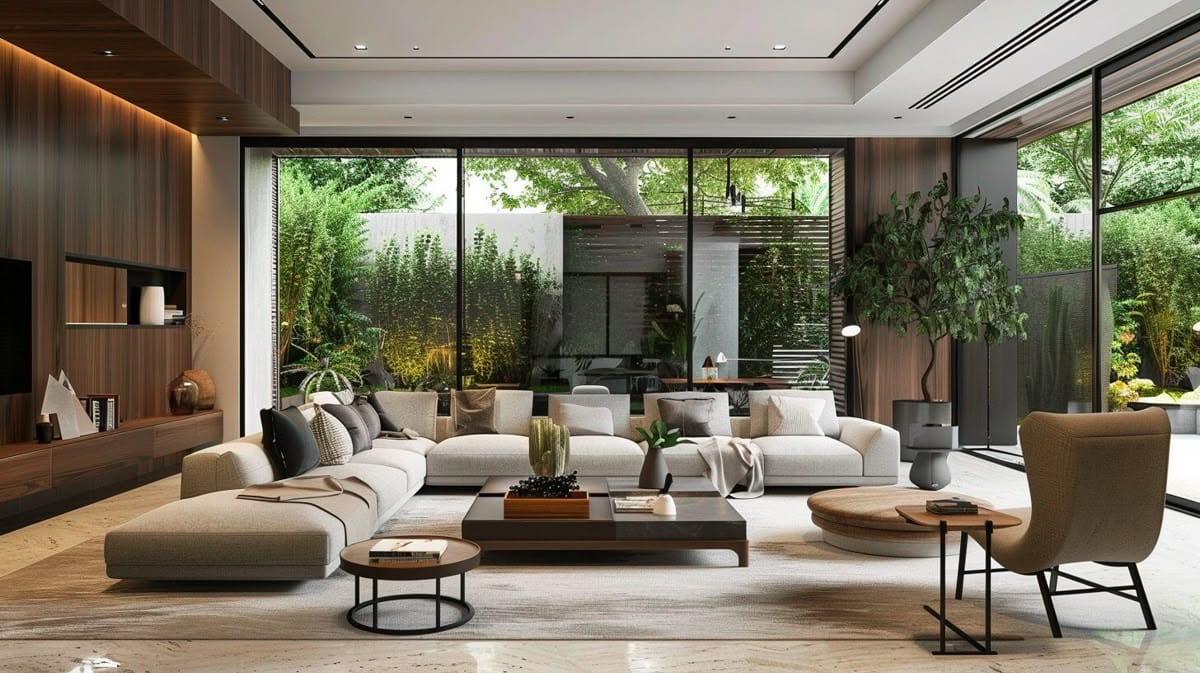
Curated furnishings anchor a room’s visual graphic design and serve multiple purposes for comfort and storage. Pieces such as the Otto Corner Sofa or Audrey bed—styled with thoughtfully edited accessories—bring character to the home. Design inspiration often comes from a blend of periods, mixing contemporary schemes with classic forms, all supporting an efficient furniture layout. Storage solutions keep real estate functional without sacrificing beauty.
Conclusion
The elements of interior design provide a solid framework for every thoughtfully executed space. Through strategic space planning, a blend of vertical lines, horizontal lines, organic shapes, geometric shapes, balanced lighting types, cohesive colour schemes, and layered patterns and textures, interiors become both striking and comfortable. Whether undertaking an HDB Resale Renovation or curating a Scandinavian Transitional look, mastering these principles ensures any project stands out in the real estate market and delights all who experience it.