

Home Decoration, Style
Minimalist Laundry Room Guide for Small Spaces
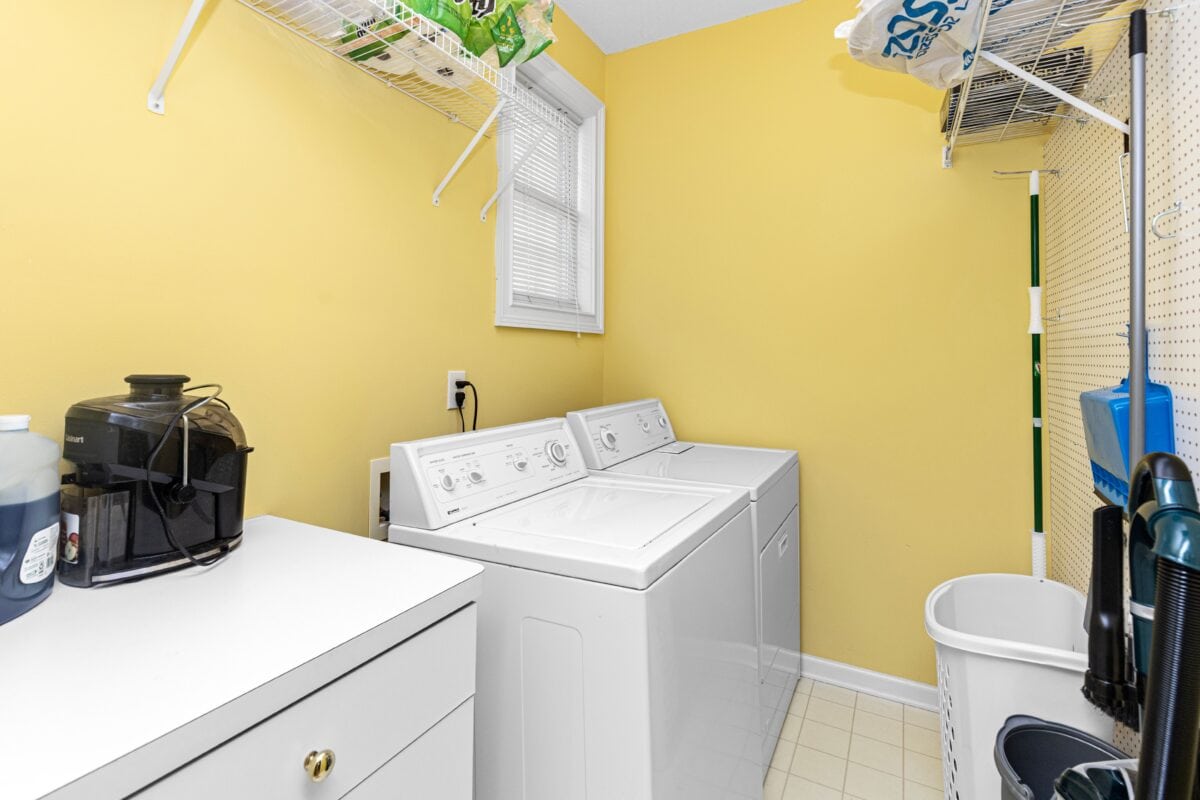
Utility spaces often become the primary dumping ground for household clutter, and laundry rooms are especially prone to spatial inefficiency. When floor space is limited, excess detergent, misplaced baskets, and tangled drying equipment can quickly turn routine chores into a stressful task. Adopting a thoughtful approach to laundry room design in small spaces is not merely an aesthetic choice; it is a practical framework that optimises workflow, maximises space, and eliminates visual noise. By distilling laundry routines down to their core functional requirements, we can transform even the tightest laundry closet or alcove into an efficient, serene utility hub.
Designing an effective minimalist space requires a deliberate balance of spatial engineering, concealed storage, and intentional material selection. Every square inch must serve a distinct purpose without overcrowding the surrounding architecture. From maximising vertical wall space to choosing dual-purpose appliances, working with interior design professionals can significantly improve both appliance performance and domestic tranquillity. We developed this comprehensive guide to help you design a streamlined, highly functional workspace tailored for small-footprint living.
Spatial Planning and Ergonomic Layout Efficiency
A small-space minimalist utility layout depends on precise spatial planning and workflow optimisation. The laundry process follows a predictable, linear sequence: sorting, washing, drying, folding clothes, and ironing. In a compact footprint, these activities must occur within a unified work zone without causing physical congestion. We emphasise mapping this operational flow before selecting cabinetry or installing plumbing fixtures. In tight quarters, efficient front-load machines offer the most versatile foundation, as they allow a continuous, solid countertop across the top of both appliances.
An uninterrupted surface over a unit like a modern washing machine creates an immediate, multi-purpose workspace for sorting and folding, replacing the need for a separate folding table. In narrow hallways or recessed closets, a stackable washer-and-dryer arrangement is the most space-efficient solution. A dedicated or universal stacking kit lets you stack units safely, freeing up valuable floor space next to the machines. Alternatively, modern steam-centre units or a space-saving ventless dryer allow flexible layout planning where external venting is unavailable. Integrating smart appliances—such as those with an eco-power inverter motor—enhances energy efficiency while preserving a sleek exterior profile.
Maximising Vertical Volume and Concealed Storage
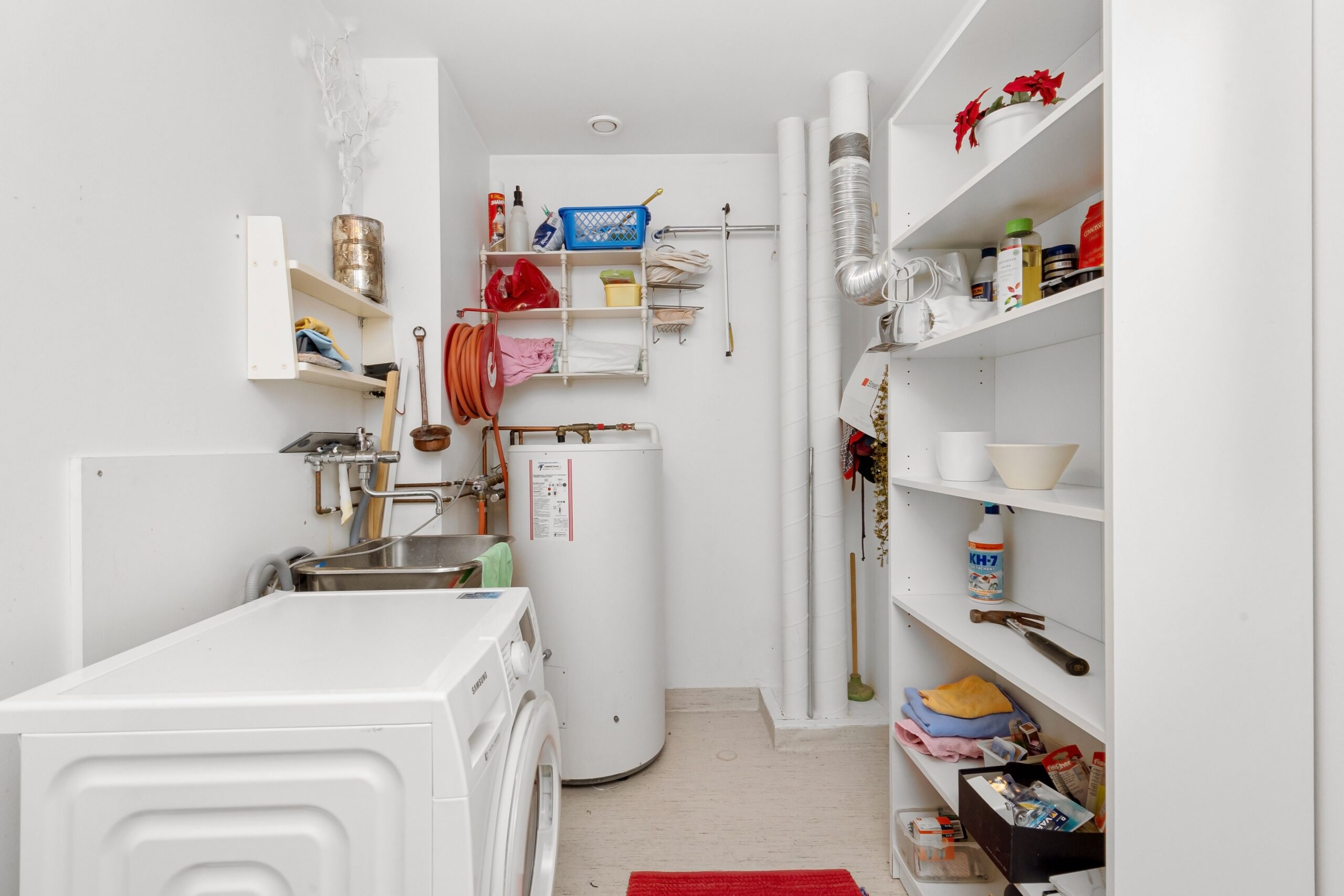
Minimalism thrives on clean lines and a lack of visual clutter, making smart storage solutions essential in small utility spaces. Exposed shelving filled with brightly branded boxes, loose lint, and dryer sheets breaks visual continuity and makes a small room feel cramped. To maintain a serene atmosphere, we recommend full-height wall cabinets or streamlined cabinets that use underutilised vertical space all the way to the ceiling. Upper cabinetry above appliances provides ample space for laundry essentials while keeping them hidden from view.
In spaces where traditional cabinet depth is limited, shallow floating shelves, open built-in shelving, or a simple wire shelf offer accessible storage without encroaching on foot traffic zones. Utilising modular organisational tools helps keep small items sorted behind closed doors. Wall-mounted racks, a fold-away wall-mounted ironing board, or a concealed hanging bar provide practical drying options without taking up floor space. A wall-hung drying rack or overhead hanging rods let wet garments air-dry naturally before you fold them flush against the wall when idle. For elevated storage, laundry pedestals beneath side-by-side machines raise appliance doors to an ergonomic height while adding deep drawers below for hidden storage.
Material Selection and Visual Lightness
The material and colour palette chosen for a small laundry area significantly influences how large and luminous the space feels. Dark, heavy materials absorb light and visually compress small enclosures, whereas light-reflective surfaces visually expand spatial boundaries. Alternatively, a moody, modern colour scheme with deep matte hues and rich textures can create a sophisticated, dramatic alcove when paired with targeted lighting. Crisp crown moulding, refined wall coverings, and easy-to-clean tile floors add architectural depth without overwhelming the compact footprint.
To elevate the aesthetic, install a decorative geometric backsplash behind the main work counter to create an easy-to-wipe focal point. Lighting choices also shape how the space feels. Replacing harsh utility lights with warm pendant lights, elegant wall-mounted sconces, or a sleek brass semi-flush fixture adds sophisticated warmth. By pairing strategic task lighting with refined surface finishes, the workspace stays bright, stylish, and inviting all day.
Streamlining Accessories and Daily Essentials

A core tenet of minimalist design is ruthlessly curating daily tools and accessories. In a small space, accumulating multiple specialised cleaning products quickly overwhelms storage. We encourage streamlining laundry routines by transitioning to concentrated, multi-purpose liquids and storing them in uniform, minimalist glass or ceramic dispensers. Decanting products into matching containers removes chaotic commercial labelling and reinforces a sense of order and intentionality. Keeping a dedicated lint bin near the dryer’s fluff filter ensures small debris is disposed of immediately rather than collecting on nearby counters.
Sorting and containment systems must similarly follow a minimal, space-conscious approach. Instead of placing multiple large, freestanding hampers across the floor, choose collapsible laundry baskets or tuck a lightweight folding stool into a narrow gap to keep floor paths unobstructed. Choose fresh decor ideas—such as a simple woven basket or streamlined glass jars—to maintain visual harmony without adding clutter. By limiting accessories to high-utility, aesthetically harmonious items, you keep the space uncluttered and highly functional, turning a daily household chore into a calm, efficient experience.