

Home Decoration
Modern Home Energy Efficiency Guide
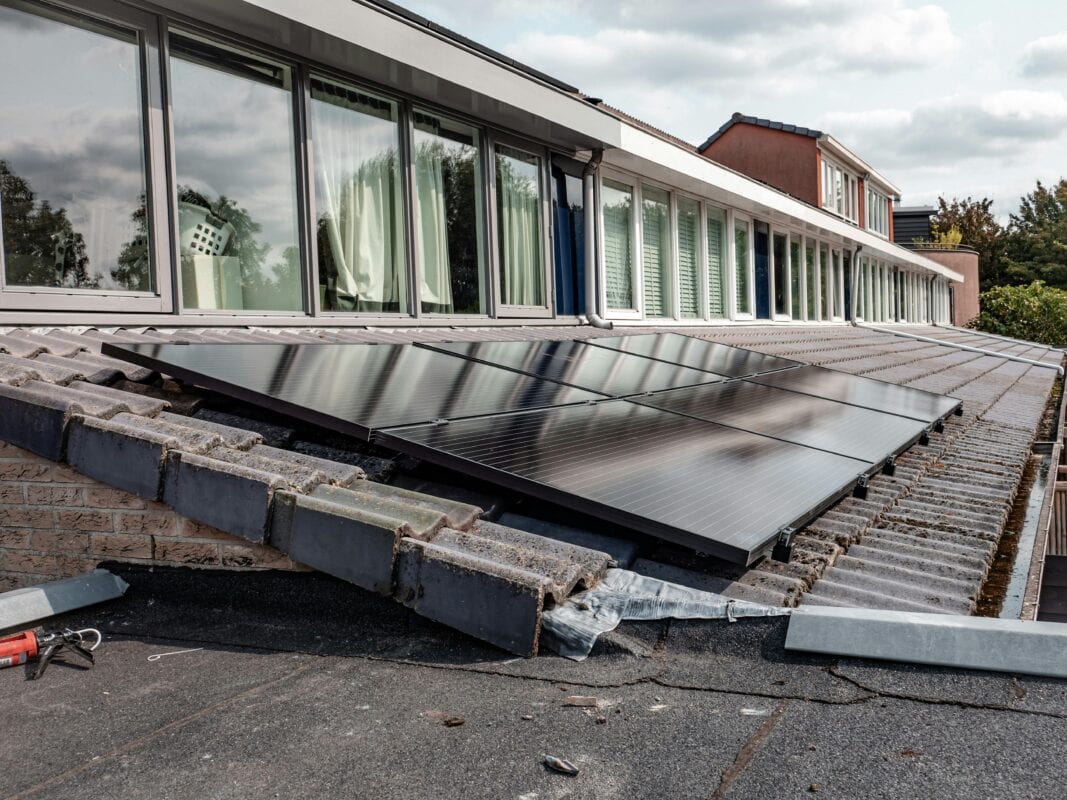
Modern homes are often marketed as the pinnacle of energy efficiency, yet many homeowners still face unexpectedly high utility bills. We recognise that even with double-glazed windows and contemporary loft insulation, the way we interact with our living spaces significantly dictates our overall energy usage. Transitioning to a more energy-efficient home does not require sacrificing comfort; rather, it involves fine-tuning the sophisticated renewable energy systems and heating and cooling systems already present in your residence. By implementing strategic adjustments to how we manage climate control, LED lighting, and energy-efficient appliances, we can drastically reduce our carbon footprint while keeping more money in our pockets. We believe that true energy independence begins with understanding the specific thermal dynamics of a contemporary floor plan and adapting to local climatic conditions. Taking proactive climate action at home helps reduce carbon dioxide emissions and greenhouse gas production that contribute to global warming.
Optimising Smart Thermostats for Precision Climate Control
Installing smart thermostats is often the first step toward a modern, energy-saving strategy, yet many users fail to move beyond basic manual overrides. We recommend diving deep into the scheduling features of your programmable smart thermostat to ensure your air conditioning isn’t cooling an empty house during peak work hours. These devices are designed to learn your habits, but proactive programming can often yield faster results in terms of reducing monthly energy costs. We have found that adjusting the temperature by just 2 or 3 degrees at night or while away can reduce annual heating and cooling expenses by 10%. Furthermore, utilising smart automation systems allows your home to “wake up” only when you are within a certain radius, ensuring comfort upon arrival. We must also remember to check the placement of these sensors, as a thermostat located in a drafty hallway will provide inaccurate data for your heating and cooling systems. By treating the thermostat as a dynamic management tool rather than a set-it-and-forget-it dial, we maximise the potential of our modern HVAC hardware.
Maximising the Efficiency of Contemporary LED Lighting Systems
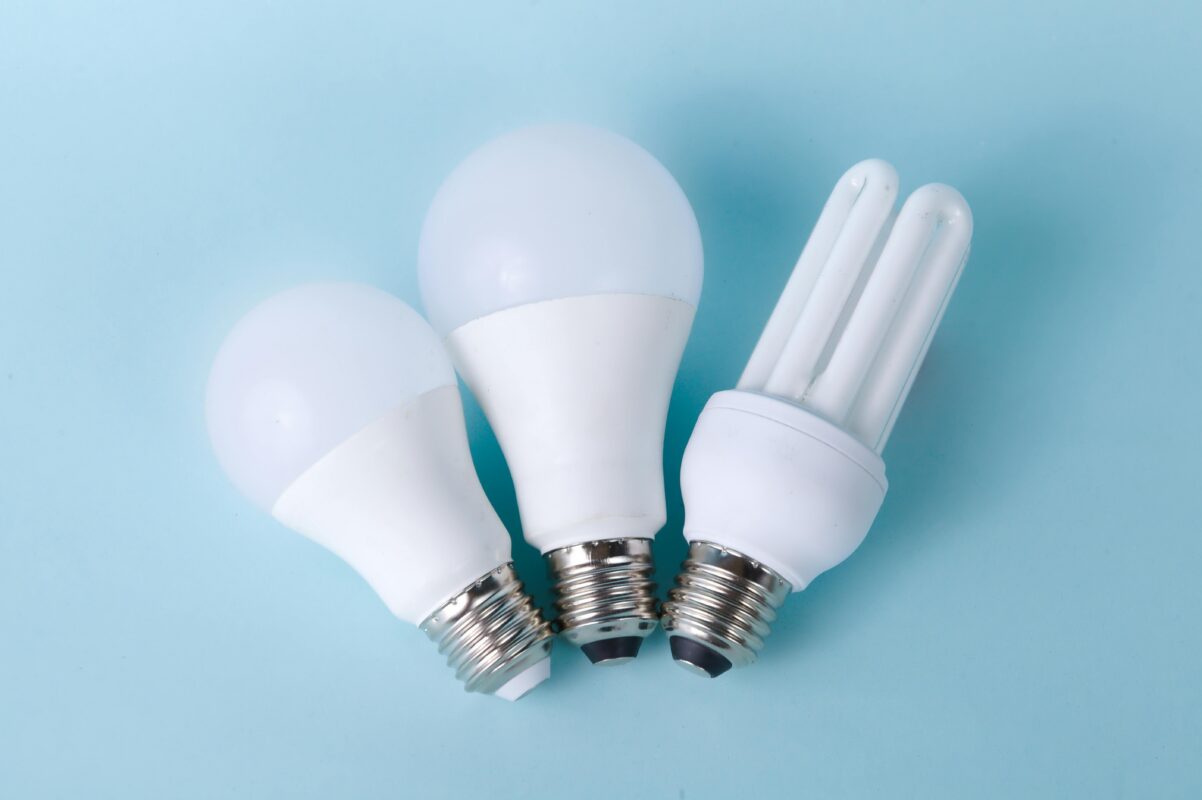
Lighting accounts for a significant portion of a home’s electricity usage, and modern houses provide the perfect canvas for advanced smart lighting integration. We often see homeowners sticking to old incandescent bulbs when they could be utilising energy-efficient bulbs that consume a fraction of the power. Beyond simply switching to energy-efficient LED bulbs, we suggest installing motion sensors in transitional spaces like pantries, where lights are frequently left on by accident. Using smart LED lights lets you program “circadian rhythms,” dimming automatically as the sun sets to reduce energy use while preparing your body for sleep. We also emphasise the importance of “task lighting” over “ambient lighting” to keep your home’s energy use as lean as possible throughout the evening. Integrated smart automation systems can ensure all lights are extinguished with a single voice command, eliminating unnecessary energy usage. We believe that a well-lit home should be both beautiful and efficient, utilising every lumen with intentionality and precision.
Sealing the Envelope with Advanced Insulation and Glazing
Even the most modern architecture can suffer from minor air leaks that undermine the efficiency of expensive air conditioning units. We advise homeowners to perform a visual inspection of double-glazing doors and window frames annually to ensure the “building envelope” remains airtight. Modern double-glazing windows are fantastic at slowing heat transfer, but their effectiveness is neutralised if the seals have begun to degrade. We suggest using heating-vent tape or high-quality caulk to seal any gaps around the home’s entry points. Modern cavity wall insulation and thick loft insulation are the primary culprits in heat loss if they are not installed correctly during construction. We also recommend considering paint colours and a reflective roof to bounce solar radiation away from the building during the summer months. Maintaining a tight seal ensures that we are not literally throwing money out of the window through convective heat loss and unnecessary greenhouse gas emissions.
Streamlining Appliance Usage and Reducing Phantom Loads
Modern kitchens are filled with high-tech electronic devices that, while efficient, can still be optimised for better performance and lower draw. We suggest running washing machines and dishwashers only when they are at full capacity to keep the energy used per item to a minimum. Many modern appliances feature a high energy label rating, but they still require mindful operation to achieve their theoretical efficiency. We must also be wary of the phantom load or “vampire power,” where devices like game consoles continue to draw electricity even when in standby mode. Utilising a power strip or a power bar with an integrated switch can automatically cut power to peripherals when the main device is not in use. We recommend using smart plugs to monitor the energy use of individual devices and identify which are the biggest contributors to your carbon dioxide emissions. By treating our appliances as a fleet of tools that need maintenance, we extend their lifespans while reducing our monthly overhead.
Implementing Natural Ventilation and Passive Cooling Strategies
Modern home design often leans heavily on mechanical cooling, yet we can find significant savings by rediscovering the art of passive design. We recommend utilising the “stack effect” by opening windows on lower floors to naturally pull in cool air and push out hot air. During the heat of the day, using external shading, such as awnings or shutters, can help prevent the “greenhouse effect” from raising your indoor temperature. We suggest planting deciduous trees on the western side of the property; they provide summer shade but drop their leaves in winter, allowing the sun to naturally warm the home. Ceiling fans should be used in conjunction with air conditioning, as the wind-chill effect allows us to set the thermostat higher without sacrificing comfort. We also advocate for “night flushing,” a technique where cool night air is circulated through the house to pre-cool the interior thermal mass. By working with the local climate rather than fighting against it, we reduce the total hours our air conditioning units need to operate.

Upgrading to High-Efficiency Water Heating Solutions
The water heater is typically the second-largest energy expense in a modern residence, yet it is often the most overlooked system. We strongly advocate transitioning to on-demand water heaters or a high-efficiency heat pump system, which are significantly more efficient than traditional tank water heaters. A modern hot water system that utilises ground-source heat pumps can achieve incredible efficiency by leveraging the constant temperature of the earth. If you have a traditional tank, we recommend wrapping it in an insulating blanket and lowering the base temperature to 120°F. We also suggest installing a water-efficient shower head to reduce the total volume of hot water needed without compromising water pressure. Simple habits, such as avoiding the tumble dryer for small loads and washing clothes in cold water, can save a typical household significant money. We believe that by modernising how we generate and use hot water, we tackle one of the most significant hidden energy costs of homeownership.
Leveraging Solar Energy and Battery Storage for Autonomy
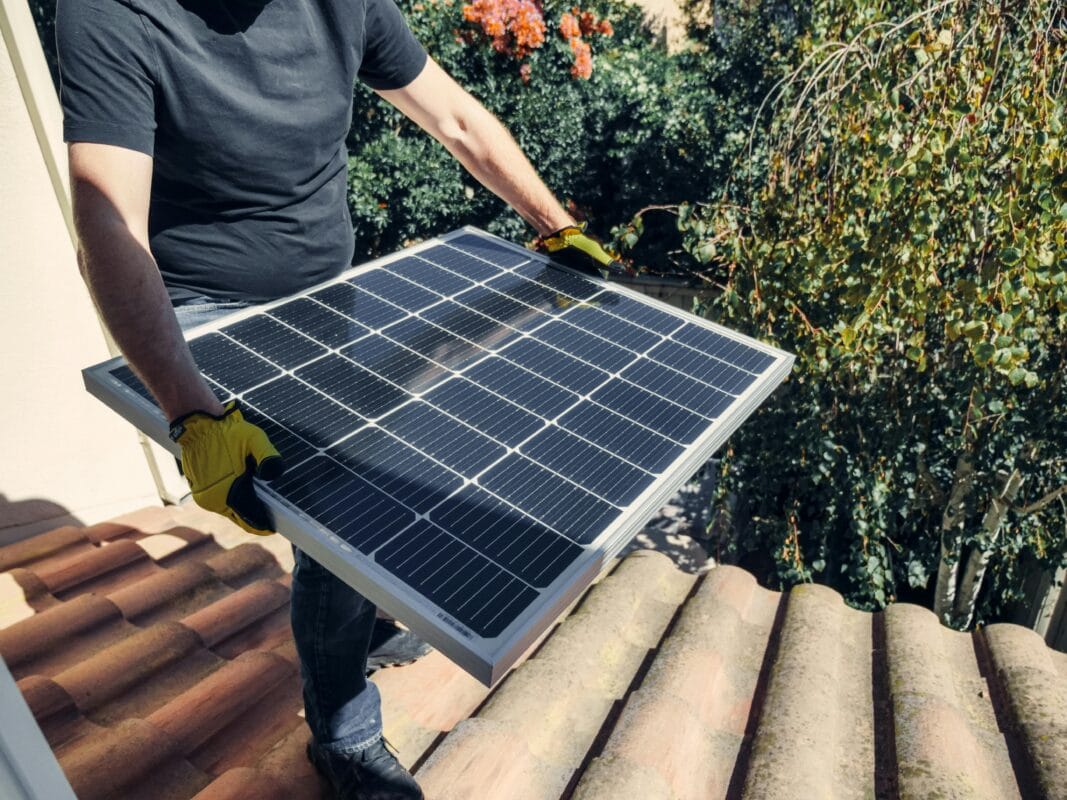
For those looking to truly future-proof their modern home, integrating solar panels is the ultimate energy-saving tip. We have seen the cost of solar PV technology drop significantly, making it a viable long-term investment that eventually results in “net-zero” electricity bills. Beyond just the solar PV panels, adding hybrid systems with battery storage allows us to store excess energy generated during the day for use at night. This not only saves money but also provides essential backup power, allowing you to charge your electric vehicle using clean, homegrown energy. We recommend monitoring your energy production with a smart meter or an integrated app to identify the best times of day for running high-load appliances. Some homeowners even integrate solar-powered electronics for outdoor lighting to further reduce the load on the main grid. We believe that moving toward a decentralised energy model is the most effective way to guarantee long-term savings and lower your carbon footprint.