

Home Decoration
Best Furniture Materials for Durability: A Comprehensive Guide to Long-Lasting Interiors

When we invest in furniture, we expect more than aesthetic appeal. We demand structural integrity, resistance to daily wear, and the ability to withstand years of use without compromising comfort or style. Selecting the right furniture materials requires an understanding of how different substances respond to pressure, moisture, temperature fluctuations, and UV rays. Whether we are furnishing high-end interiors or casual family rooms, making an informed choice represents a long-term investment in everyday quality. In this guide, we examine the substances that consistently outperform others in longevity tests and real-world applications, empowering you to create outdoor living spaces and interior environments that endure.
Solid Hardwood and Noble Timbers
Among the most revered options in durable furniture construction, solid wood and solid hardwood stand as benchmarks for resilience. Species such as oak, maple, and walnut possess dense cellular structures that resist denting, scratching, and warping under normal household conditions. Unlike softer woods or composite alternatives, noble hardwoods develop a desirable patina over time rather than deteriorating. We often recommend these timbers for dining tables, bed frames, and cabinetry because they can withstand significant weight and frequent contact.
Teak Wood occupies a distinguished position among exterior and interior species because its inherent natural oils repel moisture and pests. This characteristic explains its historical dominance in shipbuilding and exterior applications. For a lighter aesthetic, whitewash wood finishes offer a relaxed elegance without sacrificing underlying strength. The tactile experience of genuine timber remains unmatched, and its timeless design ensures stylistic relevance across decades. However, maintaining stable humidity levels and diligent sealing and care are essential to prevent seasonal expansion and contraction.
Metal Frameworks and Sculptural Elements
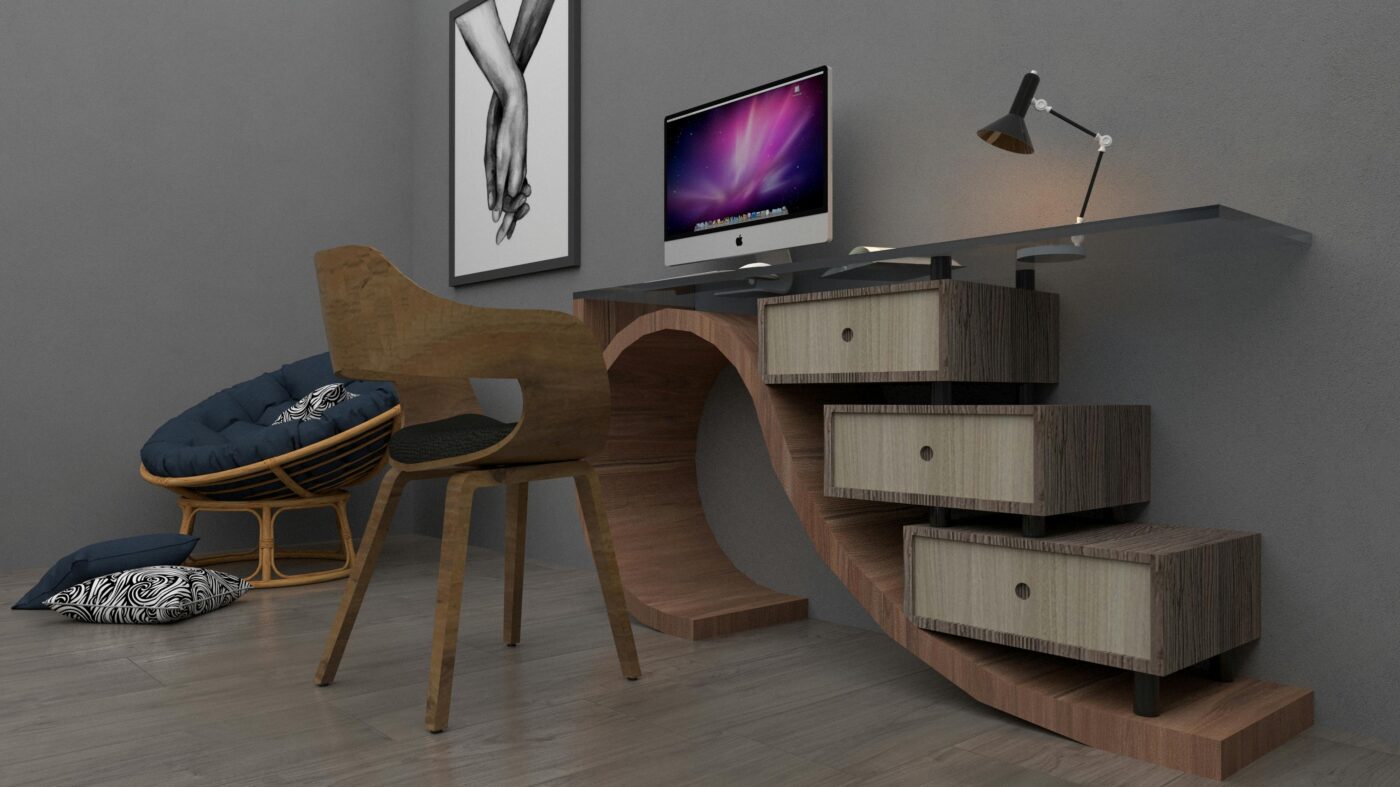
While wood dominates surface aesthetics, metal furniture provides the skeletal support necessary for enduring furniture. Stainless steel and powder-coated aluminum deliver remarkable load-bearing capacity without adding excessive bulk. We frequently specify powder coating for sofa frames, shelving units, and office furniture because it resists corrosion, chipping, and bending. Wrought iron remains a preferred material for garden benches and bistro sets, though it demands protective finishes to prevent rust in wet climates.
Sculptural metals can transform utilitarian furniture frames into an architectural statement, giving any room a commanding architectural presence. The rigidity of metal prevents sagging and loosening that plague weaker joints over time, ensuring that seating remains supportive and tables stay level through years of use.
Outdoor and Garden Endurance
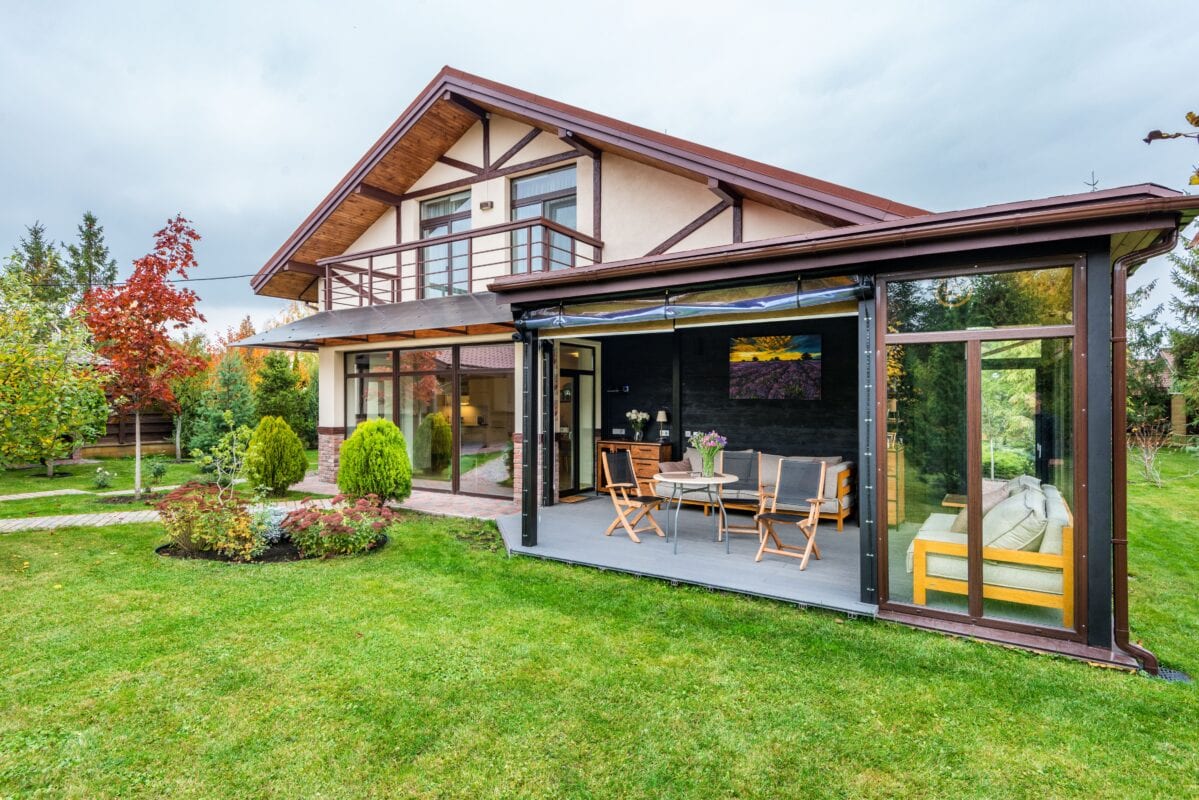
Exterior pieces face unique challenges, so selecting outdoor furniture and garden furniture demands specialized knowledge. Outdoor sofas, garden sofas, and patio chairs must survive constant exposure to weather conditions and intense sunlight. We rely on all-weather wicker, resin wicker, UV-treated wicker, synthetic rattan, and poly wicker for lightweight, flexible framing that will not fray or fade after monsoon seasons. For seating surfaces, outdoor cushions and UV-resistant cushions upholstered in weather-resistant fabrics or performance outdoor fabrics provide the necessary barrier against rain and mildew.
In a tropical climate or a tropical paradise setting, Sun Durability becomes the decisive factor when specifying textiles. Creating cohesive outdoor living spaces means specifying outdoor fabrics that balance breathability with proven weather resistance. Owners should also consider plastic outdoor furniture and plastic garden furniture where zero-maintenance convenience outweighs the warmth of natural fibers.
Sustainable Composites and Engineered Alternatives
Engineered wood and sustainable composites play essential roles in modern furniture design, where stability and cost must align. High-density fiberboard serves effectively as a substrate for painted finishes and intricate millwork where solid wood might crack along fine details. Marine-grade plywood resists delamination in humid conditions, making it suitable for wet zones and exterior cabinetry. For environmentally conscious projects, recycled plastic yields polywood constructions that defy rot and insect damage, fitting beautifully into a sustainable lifestyle.
Stone, Glass, and Concrete Accents
Accent materials contribute both visual weight and functional resilience when integrated thoughtfully. Marble tabletops provide luxurious permanence for interior use, though we account for porosity and appropriate sealing. Tempered glass, approximately four to five times stronger than standard annealed glass, offers impressive impact resistance and shatters into granular rather than sharp fragments if broken. Meanwhile, fiber cement and glass fiber reinforced concrete introduce industrial durability to contemporary bases and supports. When sealed bases undergo professional curing methods, the resulting pieces withstand thermal shock and surface impact.
Upholstery, Textiles, and Healthcare Applications
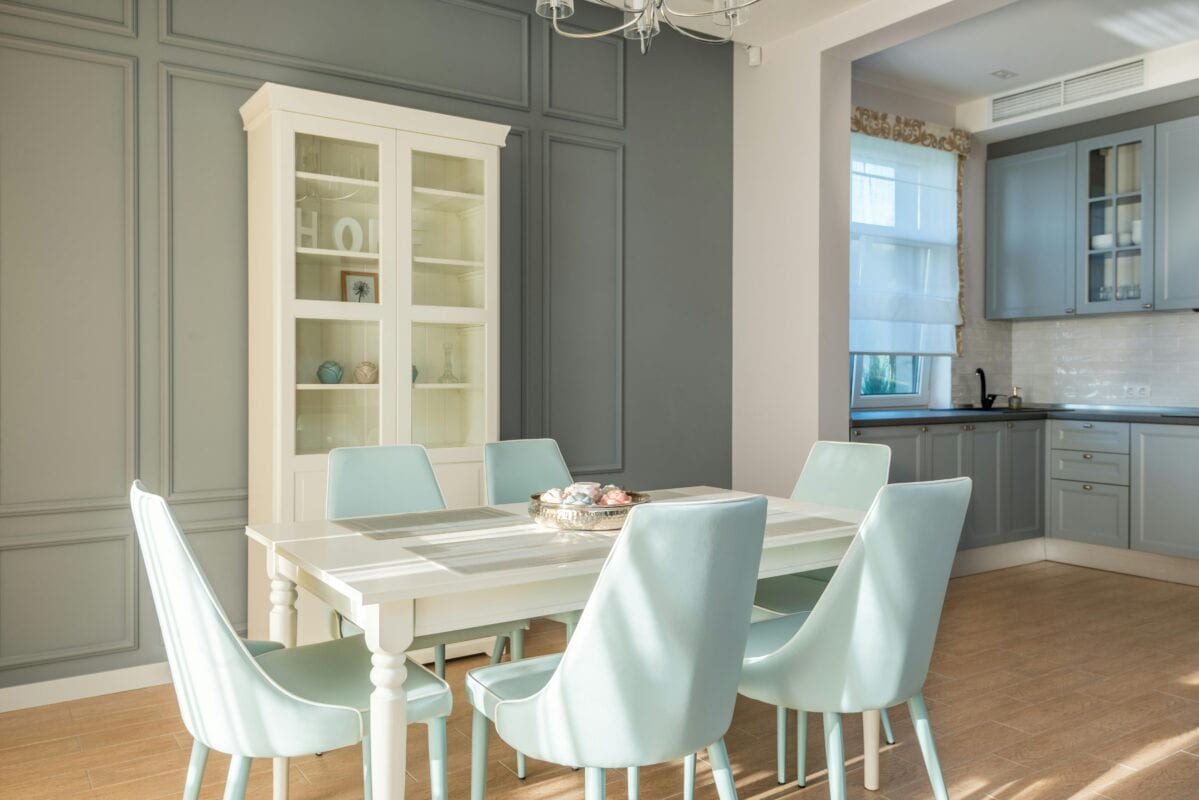
Upholstery determines how seating feels and performs under stress. Leather ranks among the most durable options, while organic cotton and synthetic fabrics each offer distinct advantages. For demanding environments, high-performance fabrics with a high rub count ensure longevity through thousands of cycles. Stain resistance is critical in family settings where pet hair and nails create constant abrasion; slipcovered furniture makes refreshment easy between pet grooming sessions.
In a healthcare environment, seating must address pressure care to prevent pressure ulcers, while upholstery withstands repeated use of hospital-grade disinfectants for infection control. These same principles apply to living room furniture that must withstand daily use without showing wear. Cleaning products should always match the textile chemistry to avoid premature breakdown.
Conclusion
Durability in furniture emerges from the deliberate pairing of superior materials with meticulous construction and informed maintenance. Solid wood and noble hardwoods provide organic resilience and timeless appeal; metal furniture and sculptural metals deliver structural certainty and architectural presence; premium upholstery withstands the friction and spills of active living; and strategic use of sustainable composites adds stability without excess cost. When we evaluate furniture through the lens of total lifecycle value rather than just purchase price, the superiority of these materials becomes unmistakable. Selecting pieces crafted from these enduring materials ensures that your interiors and outdoor living spaces remain functional, beautiful, and enduring for years to come.