

Home Decoration
How to Decorate a Modern Home Without Clutter
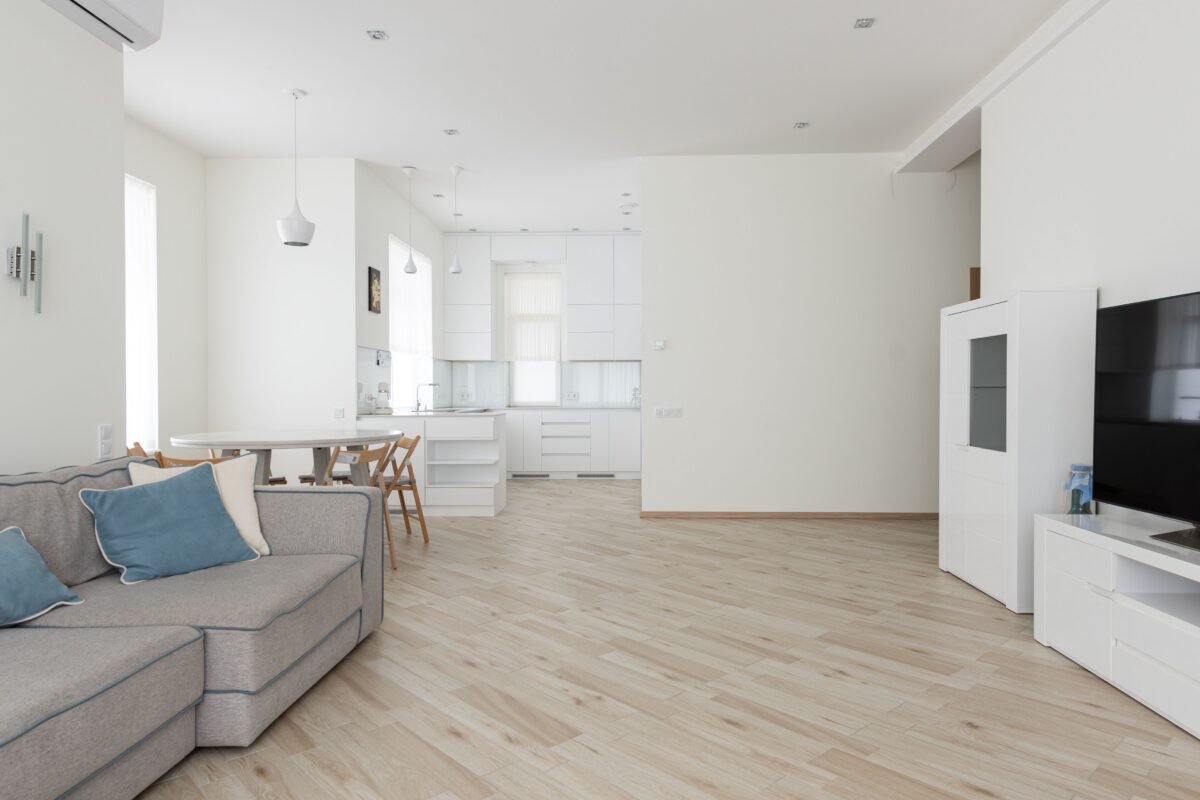
A modern home should feel comfortable, functional, and visually balanced, not crowded with furniture and decorative accessories. While interior design trends often encourage homeowners to add new colours, textures, and statement pieces, an elegant space doesn’t require filling every available corner. In fact, a carefully edited interior can make a home feel more spacious, peaceful, and sophisticated.
Decorating a modern home without clutter starts with understanding the relationship between functionality and visual simplicity. Every piece of furniture, artwork, and decorative object should contribute to the room’s atmosphere or serve a practical purpose. By prioritising quality over quantity, using smart storage, and choosing complementary materials, we can create a modern home that feels curated, not empty.
1. Start With a Clear Interior Design Vision
Before buying new decorations or rearranging furniture, establish a consistent design direction. Modern interiors can incorporate several styles, including Scandinavian simplicity, contemporary elegance, organic modernism, and minimalist design. Although these approaches differ in their details, they share an appreciation for clean lines, intentional arrangements, and functional spaces.
Begin by identifying the colours, materials, and furniture styles that best suit your home. A neutral foundation of warm white, beige, soft grey, or muted earth tones can create visual continuity throughout the interior. Then introduce depth with natural wood, stone, textured fabrics, and a small number of carefully chosen accent colours. It is also helpful to evaluate the items already in each room. Remove decorations that no longer complement the overall aesthetic, relocate objects that belong elsewhere, and keep only those that serve a real function or add visual interest. This process establishes a clearer design foundation before additional purchases are made.
2. Choose Furniture That Balances Style and Function
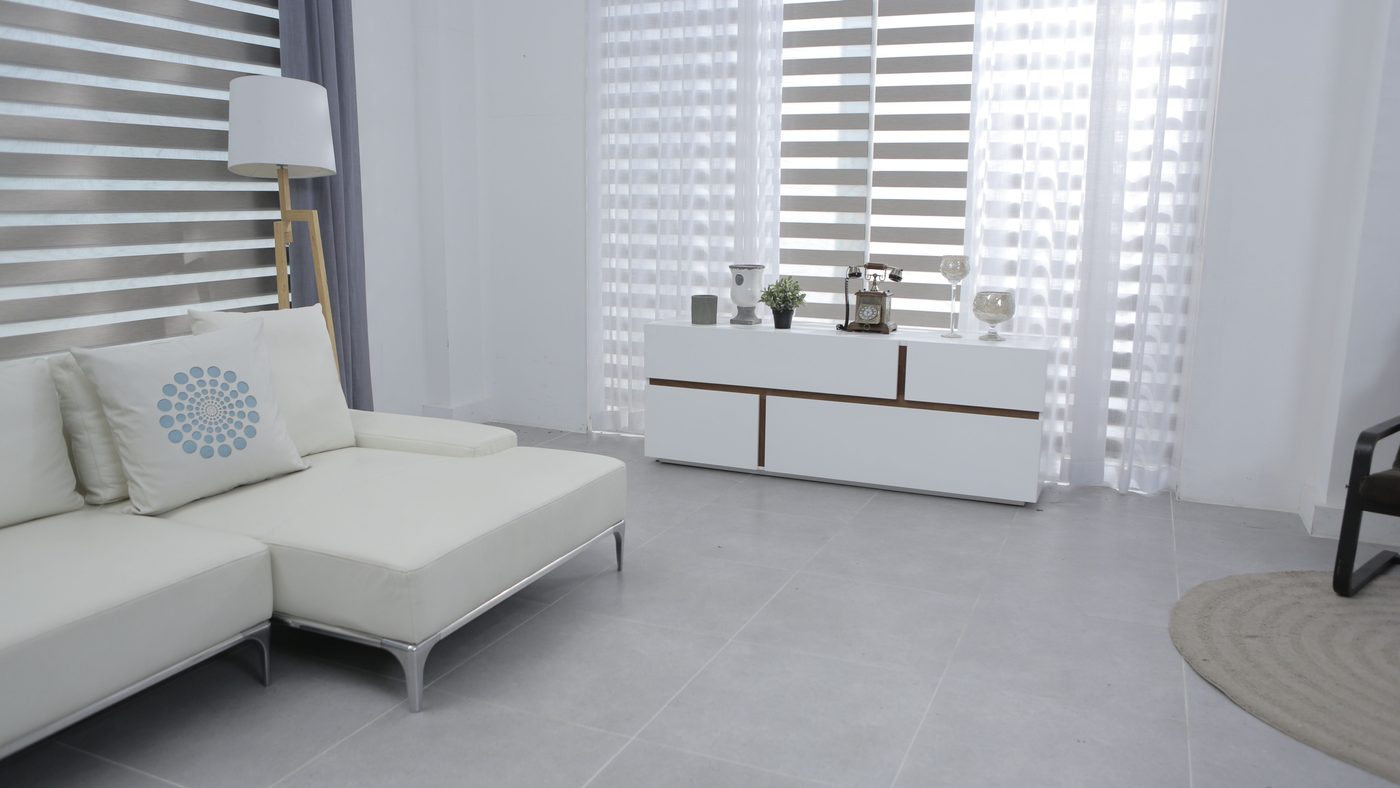
Furniture strongly influences how spacious or crowded a room feels. Oversized sofas, bulky cabinets, and unnecessary side tables can obstruct movement and make even a generously sized living room appear smaller. When decorating a modern home, choose furniture based on the room’s dimensions and intended use. A streamlined sofa, a compact coffee table, and a well-proportioned accent chair may provide everything a living area needs. Furniture with raised legs can also expose more of the floor, creating a lighter visual impression.
Multifunctional furniture is particularly valuable in apartments and smaller homes. An ottoman with hidden storage, an extendable dining table or a bed with built-in drawers can reduce the need for extra furniture without sacrificing convenience. Instead of filling a room just because space is available, consider how people move through it. Leaving comfortable walking paths around furniture helps the interior feel open and makes everyday activities easier. The goal isn’t to own as little furniture as possible, but to choose pieces that genuinely support how we live.
3. Use a Neutral Colour Palette to Create Visual Harmony
A cohesive colour palette helps modern interiors feel organised and intentional. When walls, furniture, and accessories feature too many competing colours, the eye struggles to find a natural focal point. A restrained palette reduces visual noise and lets individual design elements stand out. Start with two or three complementary base colours, such as cream, taupe, and warm grey. Natural wood introduces warmth, while black metal or darker brown accents provide contrast. For a softer atmosphere, muted green, terracotta, or dusty blue can be introduced through cushions, artwork, or a single decorative object.
However, a clutter-free home does not need to be entirely white or monochromatic. Texture is essential for preventing neutral interiors from feeling flat. Linen curtains, woven rugs, wooden furniture, ceramic accessories, and textured upholstery add dimension without adding visual clutter. Consistency matters more than following a strict colour formula. When materials and tones complement one another across adjoining rooms, the home feels connected and thoughtfully designed.
4. Make Smart Storage Part of the Design
One of the most effective ways to decorate a modern home without clutter is to plan storage before adding decorative elements. Everyday objects such as remote controls, charging cables, paperwork, kitchen utensils, and personal accessories can quickly overwhelm an otherwise beautiful room. Closed storage works for items that don’t need to stay visible. Cabinets with simple fronts, built-in wardrobes, bedside drawers, and storage benches keep everyday necessities accessible while maintaining a clean appearance. In the living room, a media console with concealed compartments can hide electronics and cables without compromising the design.
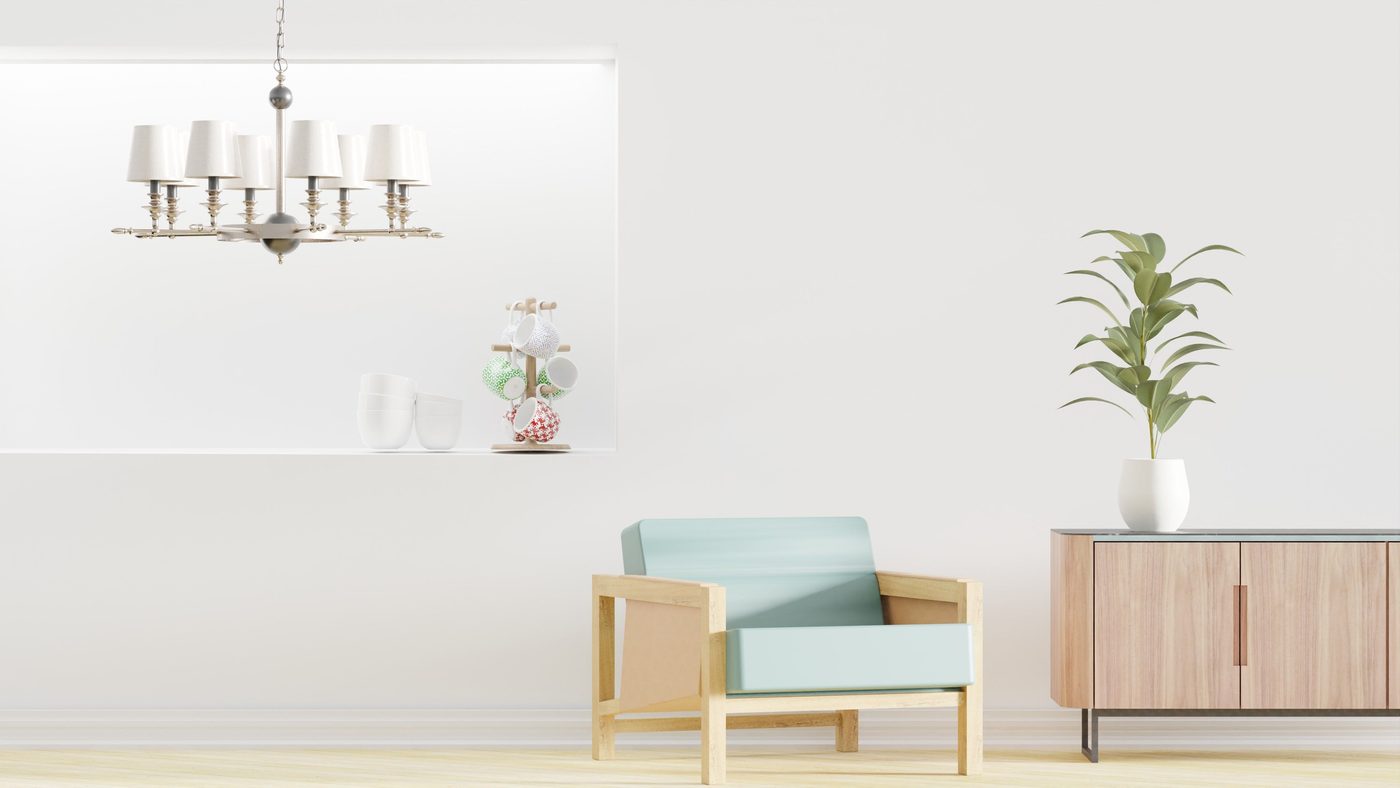
Open shelving can still work well, provided it is used selectively. Instead of filling every shelf, leave generous gaps between books, ceramics, and framed photographs. Grouping similar objects creates a more deliberate arrangement than displaying many unrelated items. We should also assign a specific place to frequently used belongings. A small tray near the entrance can hold keys and other essentials, while a designated drawer can contain charging accessories. These habits help keep the interior looking tidy long after the initial decorating is done.
5. Decorate With Fewer, More Meaningful Accessories
Accessories give a modern home personality, but too many small objects can make surfaces feel crowded. Choose decorations that create a clear focal point or add meaningful detail. For example, a living room coffee table may look more sophisticated with a single sculptural vase, a carefully selected design book, and a small decorative bowl than with a collection of unrelated ornaments. Similarly, one substantial artwork above a sofa can create greater visual impact than several small pictures arranged without a consistent plan.
Natural materials work especially well in modern décor. Ceramic vessels, stone objects, wooden sculptures, and woven accents introduce tactile interest while complementing a restrained palette. These materials work especially well in organic modern interiors, where simplicity is balanced with warmth and natural character.
We should also leave some surfaces empty. An uncluttered dining table, a clear kitchen counter, or an open section of shelving provides visual breathing room. Negative space isn’t wasted space; it is an important design element that lets the remaining furnishings and accessories take centre stage.
6. Bring Nature Indoors Without Overdecorating
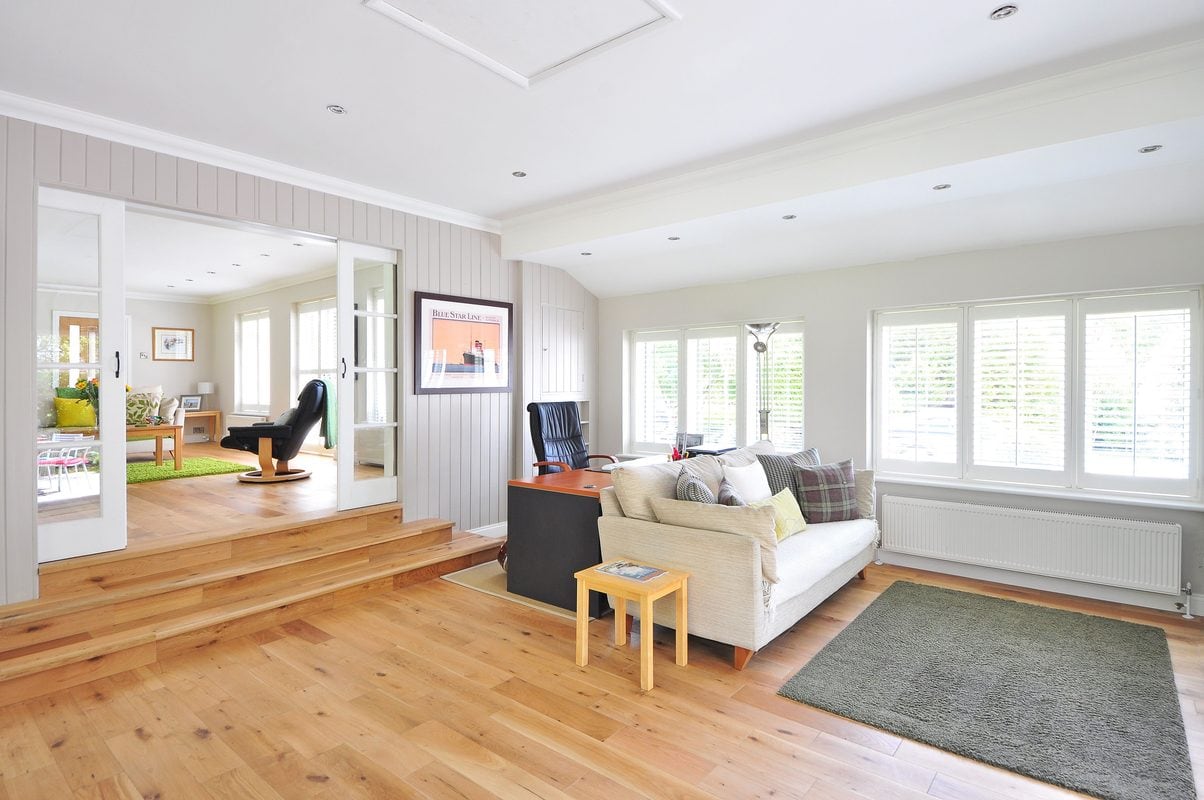
Plants, branches, and fresh flowers can soften modern interiors by introducing organic shapes and natural colour. They also create contrast against the straight lines of contemporary furniture and architectural details. Instead of scattering small plants throughout a room, use one or two larger plants as intentional focal points. A tall indoor plant beside a window or a sculptural branch arrangement on a console can add life without occupying every available surface.
Choose plants based on the room’s lighting and your ability to maintain them. Where natural light is limited, choose low-light varieties rather than placing sun-loving plants in unsuitable spots. A well-maintained plant generally contributes more to the overall design than several struggling specimens. Planters also influence the visual effect. Simple ceramic, stone-look, or textured neutral pots can complement the surrounding furniture without competing for attention. Repeating similar planter materials in different areas creates continuity throughout the home.
7. Use Lighting to Enhance Space and Atmosphere
Lighting is another important element in creating an uncluttered modern home. Poorly positioned or insufficient lighting can make a room feel smaller and less inviting, even when its furnishings are minimal. Whenever possible, maximise natural light by keeping windows relatively unobstructed. Lightweight curtains can provide privacy while allowing daylight to filter through. Avoid placing tall furniture directly in front of windows unless the room’s layout requires it.
For artificial lighting, combine ambient lighting with task and accent lighting. A well-designed ceiling fixture can illuminate the overall room, while a floor lamp beside a reading chair provides focused light. Wall lights or subtle picture lighting can highlight selected architectural features or artwork without requiring additional tabletop accessories. Choose fixtures that complement the home’s overall aesthetic. Simple pendants, understated floor lamps, and sculptural lighting can function as decorative features in their own right. This approach reduces the need to add numerous ornaments to make a room visually interesting.
8. Keep Walls and Floors Visually Balanced
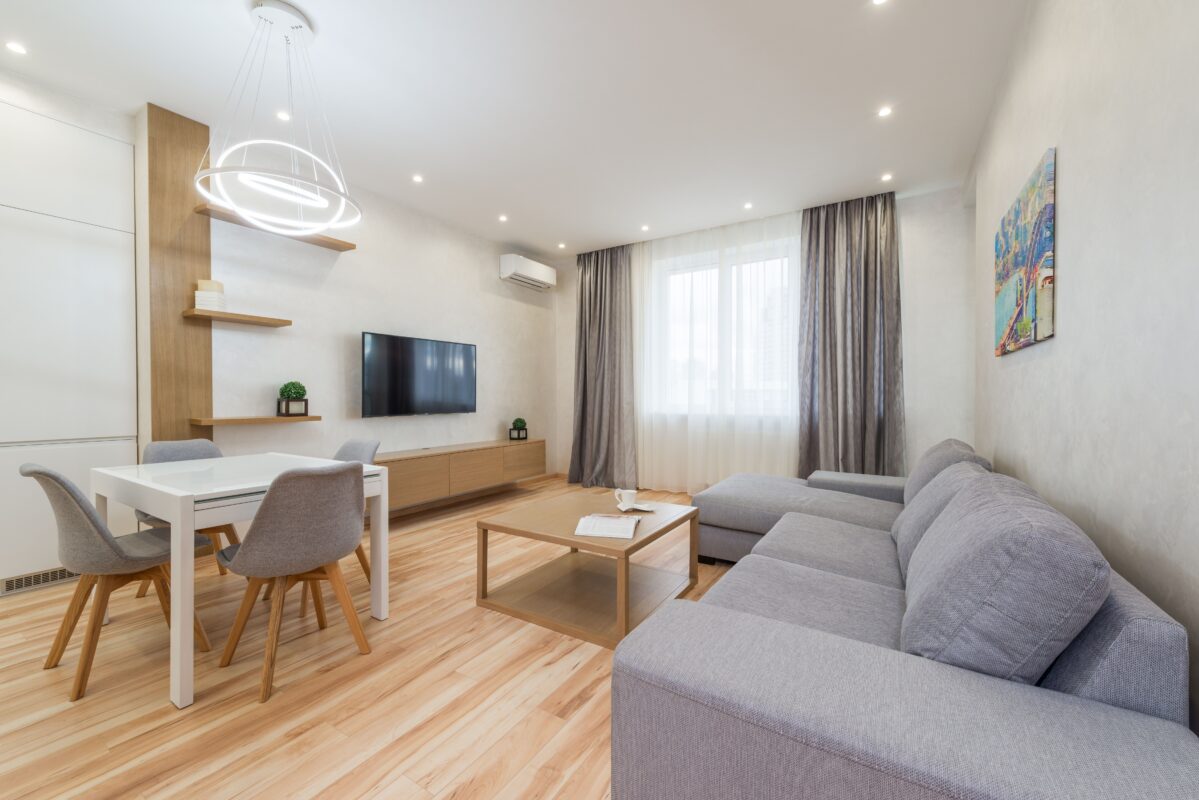
Walls and floors establish the visual framework of a modern interior. Decorating every wall or covering every section of flooring with furniture and accessories can make the space feel busy. Choose wall art to match the room’s scale and the furniture beneath it. A large, well-proportioned piece can anchor a living area, while a carefully arranged pair of prints may suit a smaller wall. Consistent framing and complementary colours help maintain cohesion.
For flooring, rugs can define functional zones in open-plan spaces, such as the living and dining areas. Select a rug that fits the furniture arrangement rather than one that leaves the main seating area feeling disconnected. Natural textures and restrained patterns often work well in modern interiors because they add depth without overwhelming the room. Wall-mounted shelves, floating consoles, and streamlined furniture can also keep the floor space visible. However, these features should serve a clear purpose. Adding shelves just because a wall looks empty can create more storage for objects the room doesn’t need.
9. Maintain a Clutter-Free Home With Simple Daily Habits
A beautifully decorated home requires consistent upkeep. Even the most thoughtfully designed interior can look crowded as everyday belongings pile up on counters, tables, and chairs. Establish a simple routine: return items to their designated places, clear high-use surfaces, and periodically review your possessions. Before purchasing a new decorative object, consider whether it complements the existing interior and where it will be placed.
Seasonal updates can refresh a modern home without requiring a complete redesign. Changing cushion covers, introducing a different floral arrangement, or replacing a small accent piece can create a new atmosphere while preserving the overall design direction. We should also resist the temptation to fill empty spaces immediately. Living with a room for a while makes it easier to identify what is genuinely missing. An apparently empty corner may provide a welcome sense of openness rather than require another chair, table, or ornament.
Create a Modern Home That Feels Effortlessly Refined
Decorating a modern home without clutter is ultimately about making thoughtful choices. Well-proportioned furniture, cohesive colours, practical storage, natural textures, and carefully selected accessories can work together to create an interior that feels both elegant and comfortable.
Instead of pursuing minimalism for its own sake, we should create spaces that reflect our needs, preferences, and daily routines. Each item should have a reason to be there, whether it serves a practical function, holds personal meaning, or contributes to the overall atmosphere.
At 28Alchemy, we believe that considered design can transform ordinary spaces into more harmonious environments. By embracing simplicity, allowing room for negative space, and choosing décor with intention, we can create a modern home that feels welcoming, organised, and timeless.