

Home Decoration
Affordable Home Design Tips for Beginners: Creating a High-End Look on a Budget
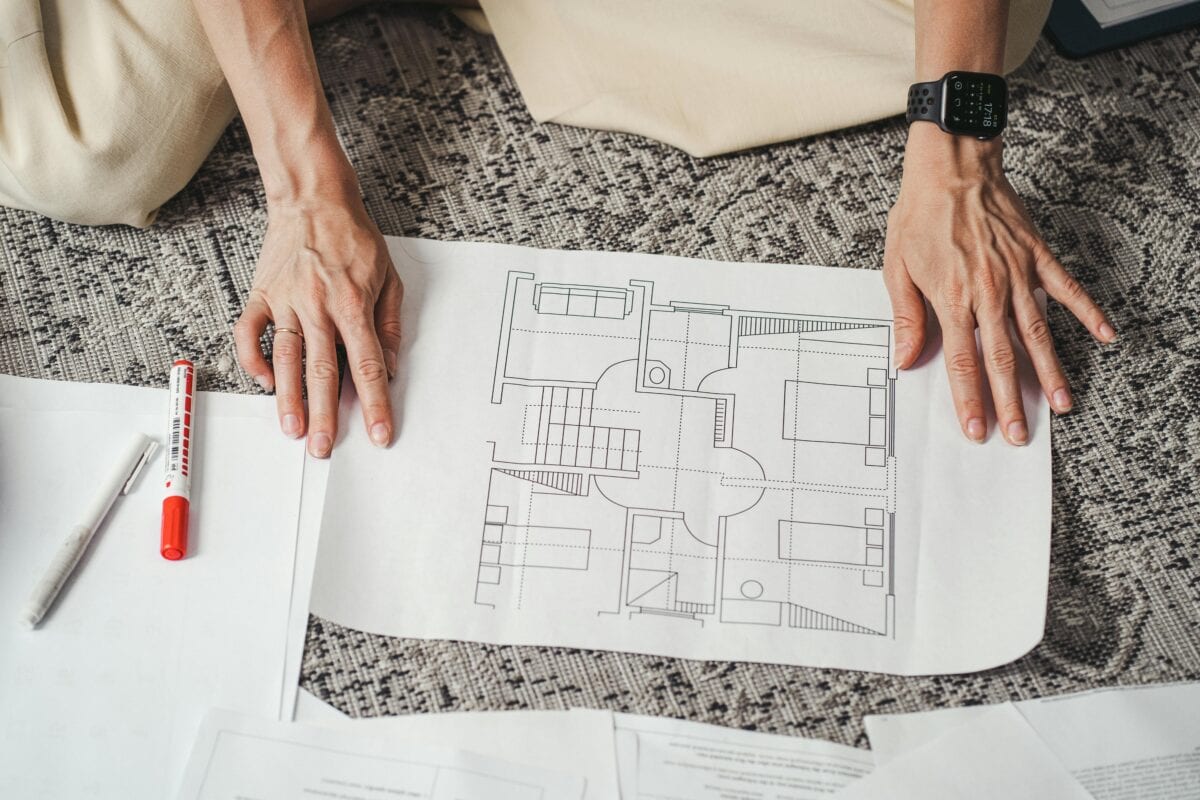
The world of interior design is often perceived as a luxury reserved for those with substantial disposable income. However, we believe that aesthetic excellence and functional living spaces are attainable for everyone, regardless of their financial starting point. Transforming a house into a curated home does not require a massive structural overhaul or designer price tags; rather, it demands a strategic approach to home decor and spatial organisation. By focusing on high-impact changes and sustainable diy home improvement practices, beginners can achieve a sophisticated interior that reflects their personal narrative.
Establishing a Cohesive Visual Narrative
Before purchasing a single item, we must emphasise the importance of a unified home design concept. The most common mistake beginners make is purchasing items that clash when placed in a shared environment. We recommend starting with visualisation techniques to define your “visual North Star.” By utilising a digital management tool or browsing social media for home decor ideas, we ensure that every future purchase serves a greater purpose.
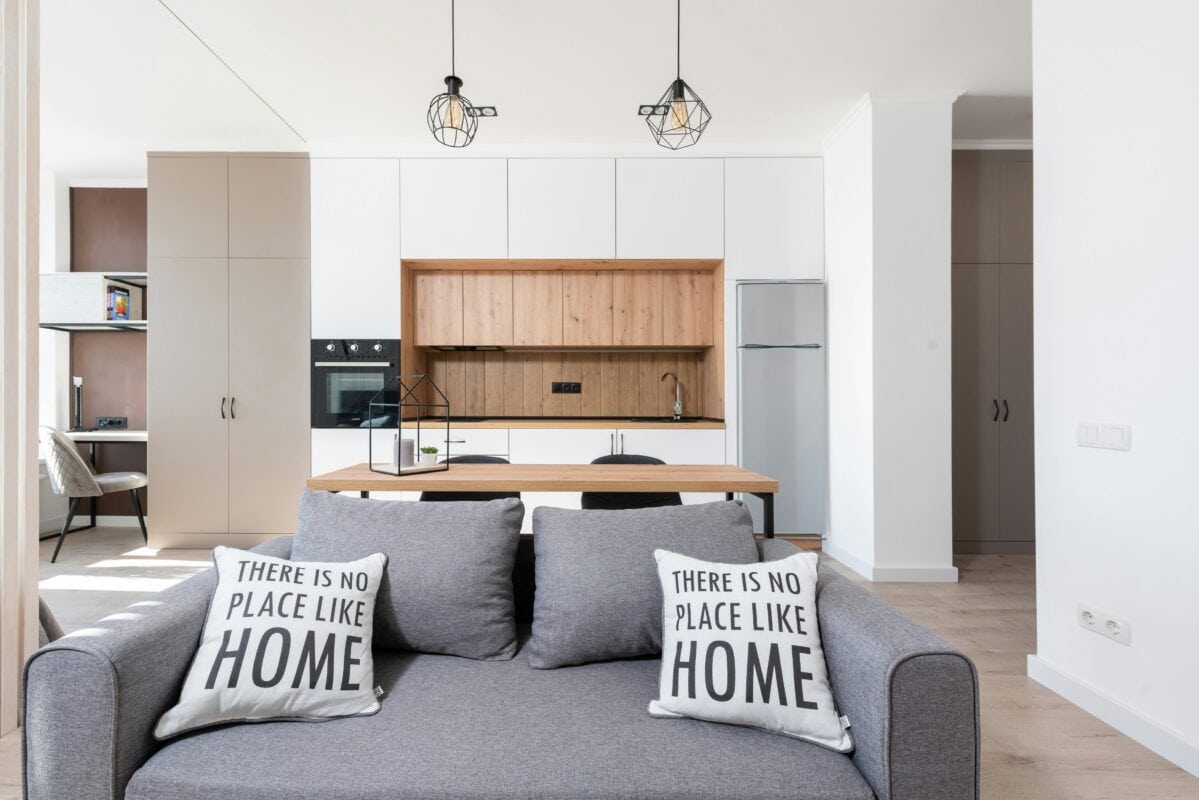
A cohesive narrative often begins with a neutral base. Neutral tones provide a versatile backdrop that makes a room feel more expansive. This strategy allows us to introduce “pops” of colour through affordable accessories like pillow covers, which can be easily swapped out as trends evolve. We suggest joining social media groups to exchange decorating ideas and learn about home decoration tips that have worked for others in the community.
The Power of Paint and Architectural Illusions
Paint is arguably the most cost-effective tool in our design arsenal. A fresh coat of paint can instantly modernise a dated room. For beginners looking to create a designer look affordably, we suggest exploring paint tricks such as painting trims or experimenting with painted ceilings to add unexpected depth. Incorporating colour psychology helps us choose shades that evoke the right mood, whether it is a calming bedroom or an energetic kitchen.
Beyond simple colour, we can use wall treatment techniques to create architectural illusions. Implementing diy wall panelling, adding wall trim, or installing crown moulding provides a sense of history and permanence. For those in rentals, peel-and-stick wallpaper or faux grasscloth offers a non-permanent way to elevate surfaces. We can even use mirrored panels to reflect natural light from large windows, making a small apartment feel like a grand estate.
Curating Furniture: The Mix of High and Low
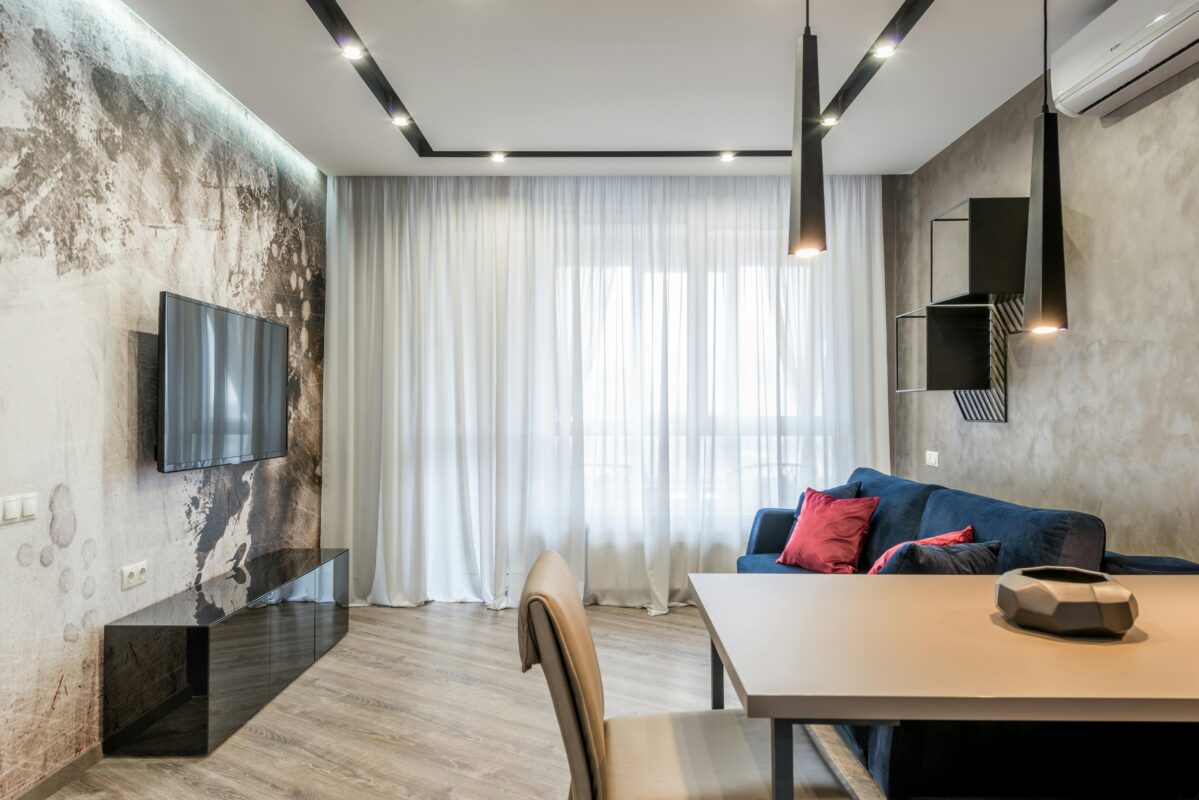
When working with a budget, we advise against buying “sets” from a single furniture store. Instead, we recommend sourcing quality furniture from diverse locations. We find that antique malls and consignment shops are goldmines for bespoke furniture at a fraction of the cost. A vintage dresser found at a thrift store can be transformed through chalk painting and a change of drawer pulls or kitchen cabinet knobs.
Small details often yield the highest ROI. Replacing standard cabinet doors or updating plumbing fixtures can contribute to a full kitchen makeover without the cost of a contractor. By mixing handmade treasures with multi-functional furniture, we create a space that is both personal and practical. For those with limited footprints, space-saving solutions, smart storage, and hidden storage are essential for maintaining a clutter-free home style.
Lighting: The Secret to Professional Ambience
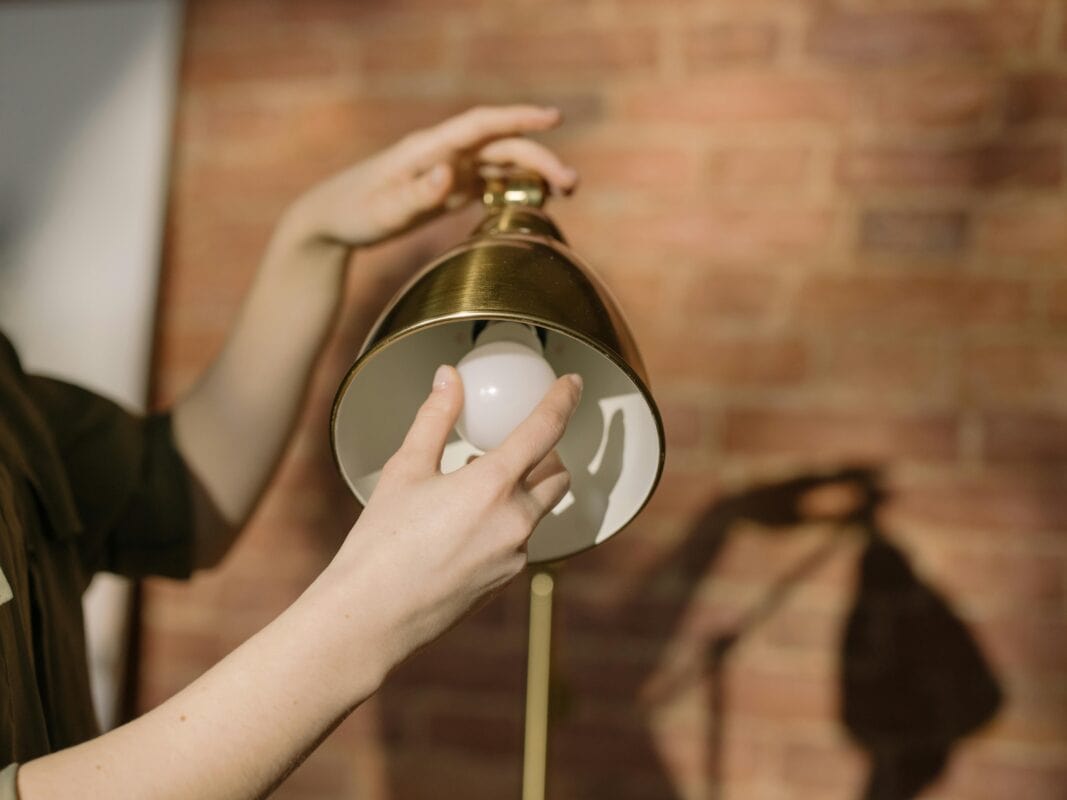
Lighting is frequently the most overlooked element in home decorating. Most standard homes rely on a single, harsh light, which flattens the room. To achieve a professional lighting scheme, we must implement a variety of ceiling lights, floor lights, and wall lights. This layering creates depth and warmth.
We can further enhance the mood by lighting art or using mirrors and frames to bounce light into darker corners. For a truly custom feel, beginners can explore diy frame projects to house wall art or create gallery walls that tell a story. If the budget allows, adding brass candlesticks or faux flowers near light sources can add a soft, elegant glow to any surface.
Textiles and Tactile Artistry
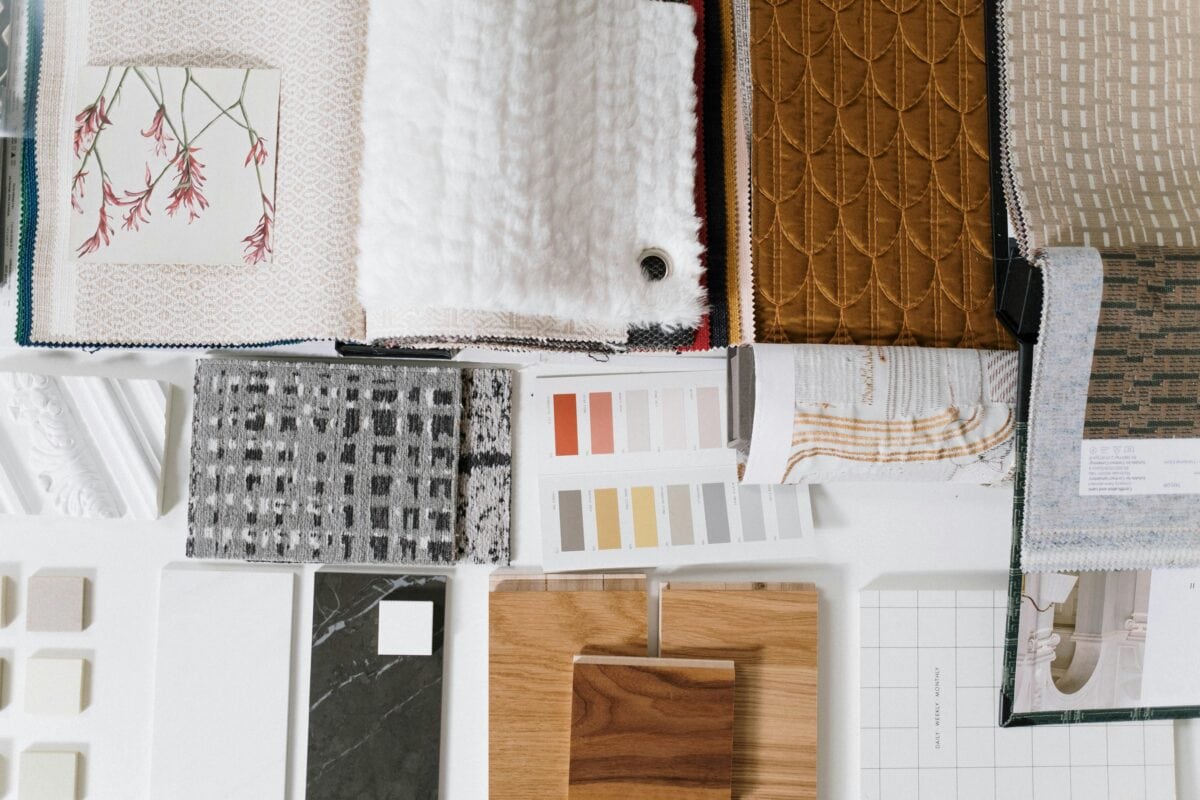
Textiles are the “jewellery” of a room. For beginners, we suggest focusing on vintage textile pieces or using fabric effects to add a sense of history to a modern space. If you have leftover tiles from a previous project, they can be repurposed as coasters or small diy display shelves to show off curios.
When organising your interior designer vision, remember that vertical space is underutilised. Floating shelves allow for rotating displays of art and books. By prioritising quality over quantity, you avoid the “cluttered” look and instead achieve a curated aesthetic.