

Home Decoration
Elevating Modern Living: Comprehensive Industrial Home Design Ideas for the Sophisticated Interior

The industrial style movement has evolved from a niche architectural necessity into one of the most enduring and prestigious styles in modern interior design. Rooted in the early 20th-century conversion of old factories and industrial buildings into urban lofts, this interior design style celebrates the raw, unfinished look of structural elements. We believe that true industrial design is not merely about “looking” like a warehouse; it is about honoring the raw quality of a building while introducing layers of comfort and luxury. By focusing on industrial raw materials, we can transform any residential space—from expansive loft apartments to modern hdb flats—into a masterpiece of texture & materials.
The Foundation of Industrial Architecture: Exposed Structural Elements
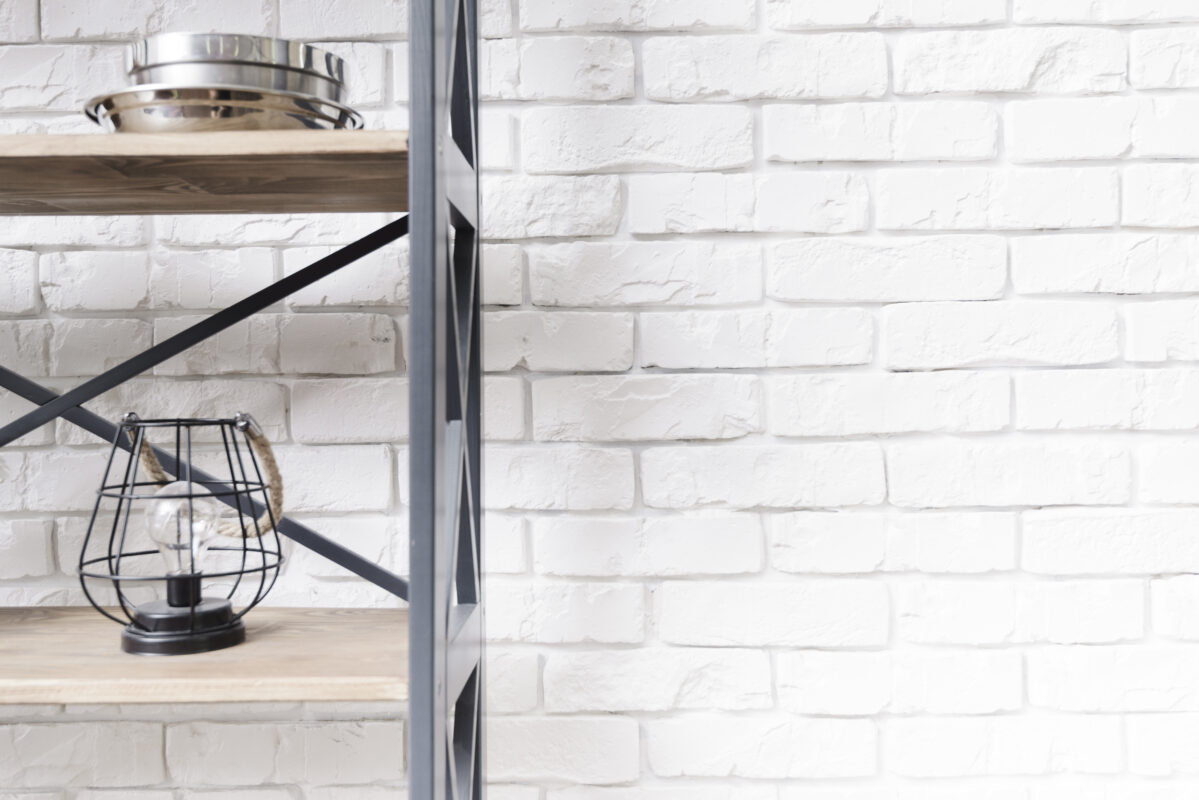
At the core of every industrial style interior design lies an appreciation for what is typically hidden. In traditional design, structural elements such as service pipes and steel columns are concealed. In an industrial interior, we bring these exposed architectural details to the forefront. An exposed brick wall serves as a tactile backdrop, adding history to a room. Depending on the desired mood, industrial designers may opt for black brick walls for a moody urban design or a distressed white brick accent wall to brighten a loft-style design. For those seeking a more traditional industrial brick feel, using darker shades of brick provides an authentic industrial hall aesthetic.
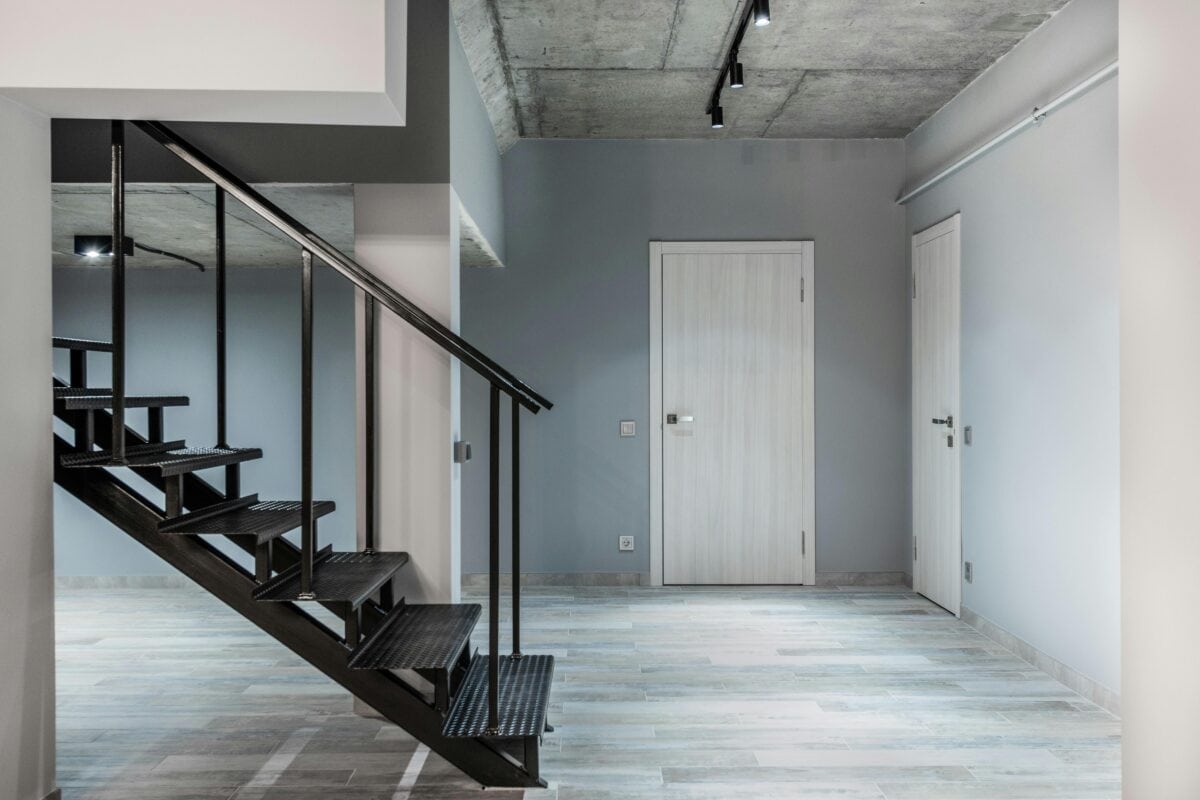
We also emphasize the structural integrity provided by steel beams and timber roof trusses. These elements, along with iron railings and exposed pipes or copper pipes, provide a graphic quality that defines the space’s perimeter. Even if you are not living in original loft spaces, these features can be replicated using cinder block or raw cement wall treatments to achieve that quintessential urban industrial interior design.
Mastering the Material Palette: Concrete, Wood, and Metal
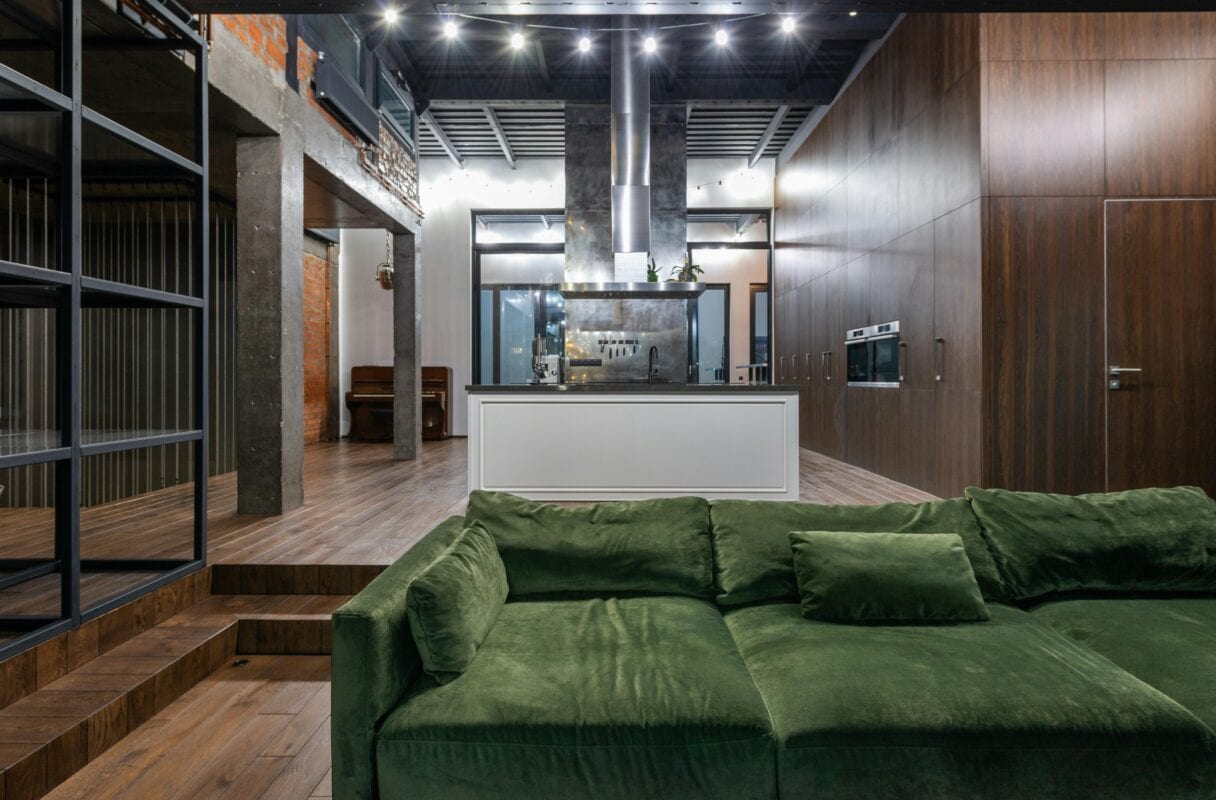
To achieve a cohesive urban industrial style, we must curate a color palette that emphasizes durability and raw industrial materials. The “holy trinity” of industrial home design consists of concrete, old timber, and weathered metals.
- Concrete Surfaces: We often recommend concrete floors or a stone resin floor for a seamless appearance. In a modern industrial kitchen, concrete countertops and raw cement finishes reflect the urban aesthetic perfectly. If a full renovation is not possible, diy projects involving concrete-effect paints can mimic concrete walls.
- Reclaimed Wood: To prevent a space from feeling too “sterile,” the introduction of reclaimed wood is essential. We use old timber for solid wood dining tables and tv furniture to introduce warmth.
- Metal Elements: Integrating metal accents via metal mesh or steel kitchen wall shelves adds a layer of sophistication. We lean toward metal light fixtures and iron railings to reinforce the industrial style’s structural narrative.
Lighting as a Sculptural Statement
In an industrial living room, industrial lighting is a primary design feature. We recommend pendant lights with metal shades to provide a focused glow over solid wood dining tables. For general illumination, metal light fixtures or large-scale floor lamps modelled after vintage film-set lights are ideal.
The goal is to highlight the exposed ductwork and service pipings while ensuring the room is filled with natural light. Because urban industrial style often features large windows, minimal window treatments are used to maintain the connection to the city outside. By avoiding heavy curtains, we allow the urban aesthetic to remain unobstructed.
Furniture Selection: Blending Utility with Modern Comfort
When selecting high-end furniture for an industrial bedroom or living area, we prioritize multifunctional furniture that feels substantial. Leather sofas are the quintessential choice—specifically distressed leathers that develop a patina. In an industrial living room, these can be paired with plush cushions and faux-fur throws to soften the rawness of the environment.
The interior decorating process should also include geometric patterns in rugs or textiles to provide a modern counterpoint to the raw, unfinished look. In the dining area, solid-wood dining tables paired with metal chairs create a classic industrial aesthetic.
A Sophisticated Colour Palette and Texture
While the urban industrial interior design is often associated with neutral colours, we suggest a nuanced colour palette. A base of white walls and greys is standard, but the “soul” of the room comes from earth tones.
- Industrial Neutrals: Utilize neutral colours like charcoal and slate to complement concrete floors.
- Metallic Mid-tones: Copper pipes and metal accents provide a warm glow.
- Organic Additions: Greenery & living energy through potted plants bridge the gap between the mechanical and the natural.
Functional and Aesthetic Details
Beyond the main living areas, the industrial style can extend to every corner of the home. An eclectic industrial shower bathroom might feature exposed pipes, black brick walls, and concrete countertops. For the walls, artwork & mirrors with heavy metal frames can make a statement without cluttering the urban design. Various flooring options, from concrete floors to reclaimed wood, allow for customization based on the specific hdb flats or loft apartments layout.
Conclusion: The Future of Industrial Living
Industrial home design is a celebration of the intersection between human engineering and raw industrial materials. By balancing concrete walls and steel columns with greenery & living energy, we create environments that are both imposing and welcoming. Whether you are enhancing an urban loft or applying industrial style to hdb flats, the key is to embrace the raw quality of the materials.