

Home Decoration
Kitchen Interior Design: Transforming Spaces With Style and Functionality

The kitchen stands as the heart of every home, a place where kitchen design brings together elements of daily life and creative expression. In the realm of interior design, the kitchen demands a unique blend of aesthetic appeal and purposeful organization. Crafting an inviting atmosphere involves more than picking out finishes; it requires thoughtful planning of the kitchen layout to enhance flow and efficiency. We carefully select eco-friendly materials and sustainable materials that support both the planet and the long-term health of a home. Today’s kitchens showcase smart appliances and energy-efficient appliances, integrating smart technology with touch-screen controls to simplify everyday tasks. The inclusion of a kitchen island not only adds major visual appeal but also introduces multi-functional furniture that supports everything from meal prep to socializing. Kitchen cabinets now feature pull-out drawers and pull-out cabinets for effortless access to essentials, addressing modern needs for storage solutions and organization. The marriage of natural elements like butcher block countertops with sleek, contemporary fixtures invites a balance of comfort and innovation. Kitchen interior design is about more than just style—it is about creating a harmonious space that bridges beauty, comfort, and modern convenience.
Optimizing Layout for Efficiency and Harmony
An effective kitchen design depends on the meticulous arrangement of zones, aligning each area with specific activities. The classic kitchen work triangle—sink, stove, and refrigerator—remains foundational, promoting efficiency and ergonomic ease. When planning the kitchen layout, it is essential to consider how vertical storage and vertical storage solutions can maximize available space, turning walls into functional assets with open shelves or tall cabinets. Pantry cupboards and hidden nooks provide indispensable storage solutions, especially in smaller homes. Many kitchen designers advocate for custom cabinets that reach the ceiling, emphasizing both storage and visual captivating height. Including multi-functional furniture like a kitchen island offers flexible space for both cooking and gathering, while also housing amenities such as a pot filler or pull-out cabinets. Integrating cutting-edge smart appliances ensures seamless transitions between prep, cooking, and cleanup, making everyday tasks more efficient. As families grow and routines change, a well-considered layout allows for easy adaptation, providing a timeless foundation that goes beyond momentary trends.
The Role of Lighting and Color in Kitchen Ambiance
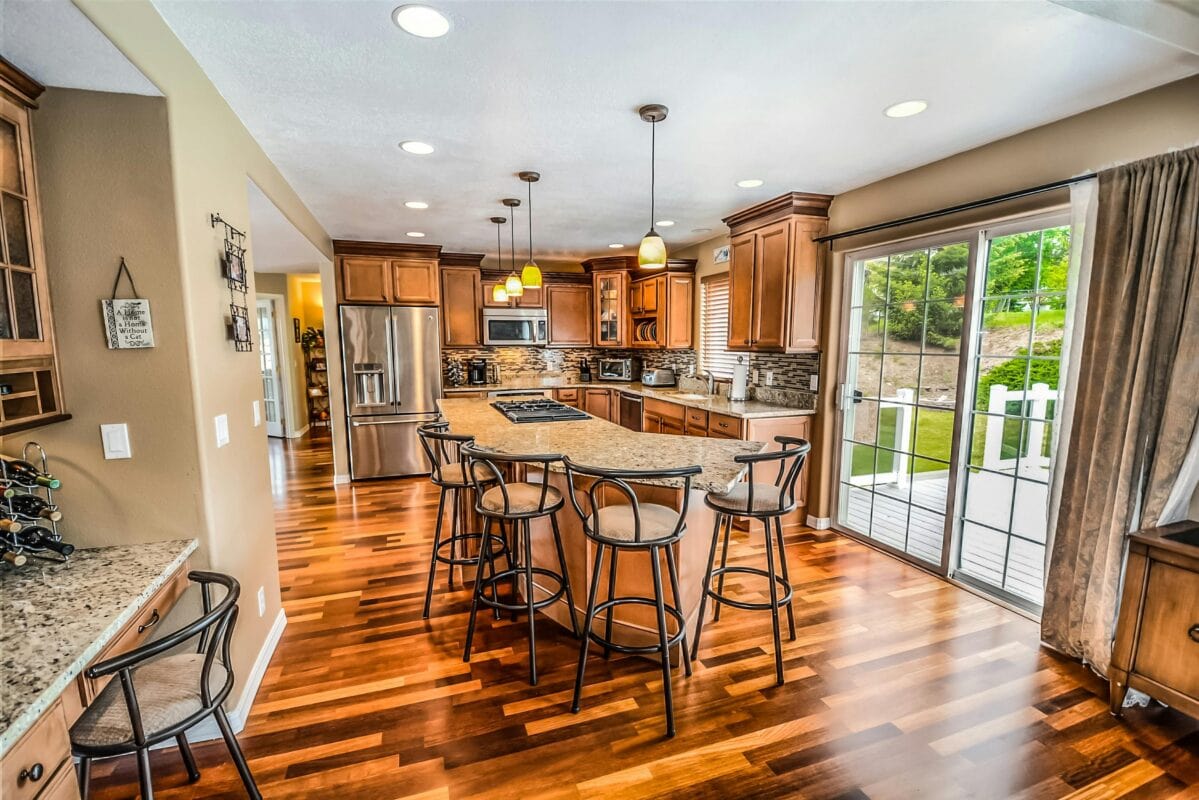
In kitchen interior design, the interplay of lighting layers and colour scheme shapes the room’s atmosphere, boosting both function and style. Effective task lighting under cabinets transforms worktops into ideal spots for meal prep and reading recipes. Ambient and accent fixtures create depth, resulting in a visual captivating environment that beckons family and guests alike. Strategically used bold colors infuse character, whether found in cabinetry, backsplash tiles, or standout appliances. Experimentation with colour also sets a kitchen apart during a kitchen renovation—from airy whites and cool greens to deep navy or dramatic black, each choice has the power to expand or cozy up the space. Butcher block accents add tangible warmth and invitation, connecting the indoors to nature. By layering light at different levels, such as pendant lamps, ceiling lights, and recessed spots, we achieve balance while complementing other kitchen features. Successful kitchen design brings all these facets together, ensuring the lighting fosters both productivity and comfort while enhancing aesthetic appeal.
Selecting Materials for Lasting Beauty and Durability
A robust kitchen design thrives on careful material selection, marrying durability and lasting style. Surfaces like butcher block offer unique texture and warmth, representing a popular choice for those who appreciate tactile beauty paired with sustainable materials. Flooring options such as luxury vinyl, stone, or ceramic tiles provide resilience against daily wear, fitting seamlessly into the overall colour scheme. Kitchen cabinets, when built from eco-friendly materials and engineered wood, offer superior longevity and support a commitment to waste reduction strategies. Smart use of vertical storage with open shelves or custom cabinetry capitalizes on limited square footage, maintaining order without sacrificing openness. Fixtures with metallic finishes—pull handles, faucets, and especially a convenient pot filler by the stove—unify the different elements, increasing both usability and aesthetic appeal. Backsplashes allow for artistic touches, with color and material choices made to complement countertops and flooring. Choosing appliances with programmable and smart technology ensures a kitchen is as functional as it is beautiful. This combination of mindful material selection and modern ingenuity sets up a kitchen built to last.
Embracing Technology and Trends in Kitchen Interiors
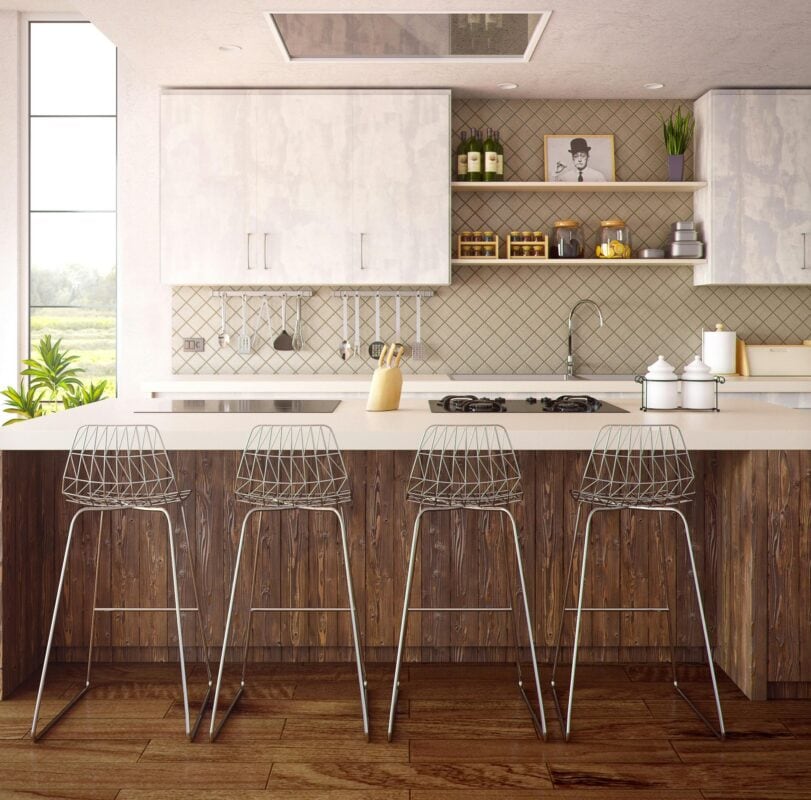
Modern kitchen design is defined by its embrace of innovation. Smart appliances—including refrigerators with touch-screen controls, ovens managed by smartphone, and voice-activated lighting—elevate the kitchen into an era of modern convenience. These features simplify culinary routines and open up flexible programming for diverse family schedules. We see an increase in energy-efficient appliances that not only conserve power but also align with broader sustainability goals. Popular kitchen remodel ideas focus on integrating such appliances seamlessly, using custom cabinets to hide devices while maintaining accessibility. Multi-functional furniture is updated with built-in charging stations and additional seating. Pull-out drawers, dividers, and textured organizers within cabinets provide storage solutions that keep essentials at hand and clutter at bay. Open concepts keep sightlines clear, while sliding or retractable partitions allow privacy if desired. Biophilic elements like indoor herb gardens and oversized windows further strengthen the kitchen’s connection to nature. These features make the kitchen not just a workplace, but a welcoming, adaptive hub for gatherings large and small.
Fostering Connection Through Kitchen Interior Design
A well-designed kitchen is not only about surfaces and appliances; it is a space for nurturing relationships and building memories. Thoughtful kitchen interior design incorporates both functionality and personal style, allowing for customization that makes the kitchen feel uniquely welcoming. Integrating natural elements—wood, stone, and greenery—results in a soothing, restorative space that encourages connection. Every detail, from the color of the cabinets to the placement of a kitchen island, should serve a purpose in improving the user experience. Engaging all the senses, a thoughtfully updated kitchen acts as a canvas for creativity, a stage for shared moments, and a cornerstone of visual appeal and emotional comfort. Whether considering kitchen upgrade ideas, undergoing a complete kitchen renovation, or achieving incremental enhancement, every change should be intentional and aligned with how the space will be truly lived in.
The kitchen stands as the heart of every home, where design meets daily living and functionality must blend seamlessly with aesthetics. By focusing on the fundamentals of kitchen interior design, we create spaces that not only inspire but also accommodate the busy rhythms of modern households. Exceptional kitchen design involves a comprehensive understanding of spatial planning, light utilization, material selection, and the integration of modern technology, all while reflecting personal taste. When revitalizing a kitchen, attention to detail in color palette, cabinetry styles, and surface finishes forms the groundwork for a cohesive look. Natural light, thoughtfully placed artificial illumination, and reflective surfaces enhance the sense of openness and warmth, while innovative storage solutions support organization and efficiency. The flow from one work area to another, guided by the classic kitchen triangle layout, contributes to ergonomic comfort and ease of use. Textural contrasts, such as combining smooth countertops with rustic wood grains, elevate visual interest without overwhelming functionality. Appliances and fixtures are chosen for durability and design compatibility, encouraging harmony between tradition and innovation. Ultimately, successful kitchen interiors nurture family interactions and elevate the overall home experience.
Optimizing Layout for Efficiency and Harmony
Planning the layout forms the backbone of kitchen interior design, marrying practicality with visual appeal. Proper zoning for prep, cooking, and cleaning ensures activities occur smoothly without interruption, particularly in open-plan environments. We recommend analyzing daily routines and household needs before finalizing a layout, as this informs the right choice among galley, L-shaped, U-shaped, or island configurations. Each layout caters to distinct needs: for instance, families with children may favor an island for multitasking, while compact homes might better leverage a galley arrangement for its space-saving qualities. Ensuring passageways and work areas are free from congestion enhances overall usability and comfort. Integrating seating such as breakfast bars or banquettes adds versatility to the design, accommodating both quick meals and social gatherings. Material continuity across cabinetry, flooring, and countertops achieves a harmonious aesthetic foundation, while varying heights of surfaces accommodate accessibility for all household members. High-quality drawer slides, soft-close hinges, and strategically placed electrical outlets subtly raise the daily experience of cooking and cleaning. Using color strategically can influence perceptions of space: lighter hues expand smaller kitchens, while darker tones add sophistication in larger ones. Ultimately, layout success is measured by how comfortably and intuitively the kitchen supports its users.
The Role of Lighting and Color in Kitchen Ambiance
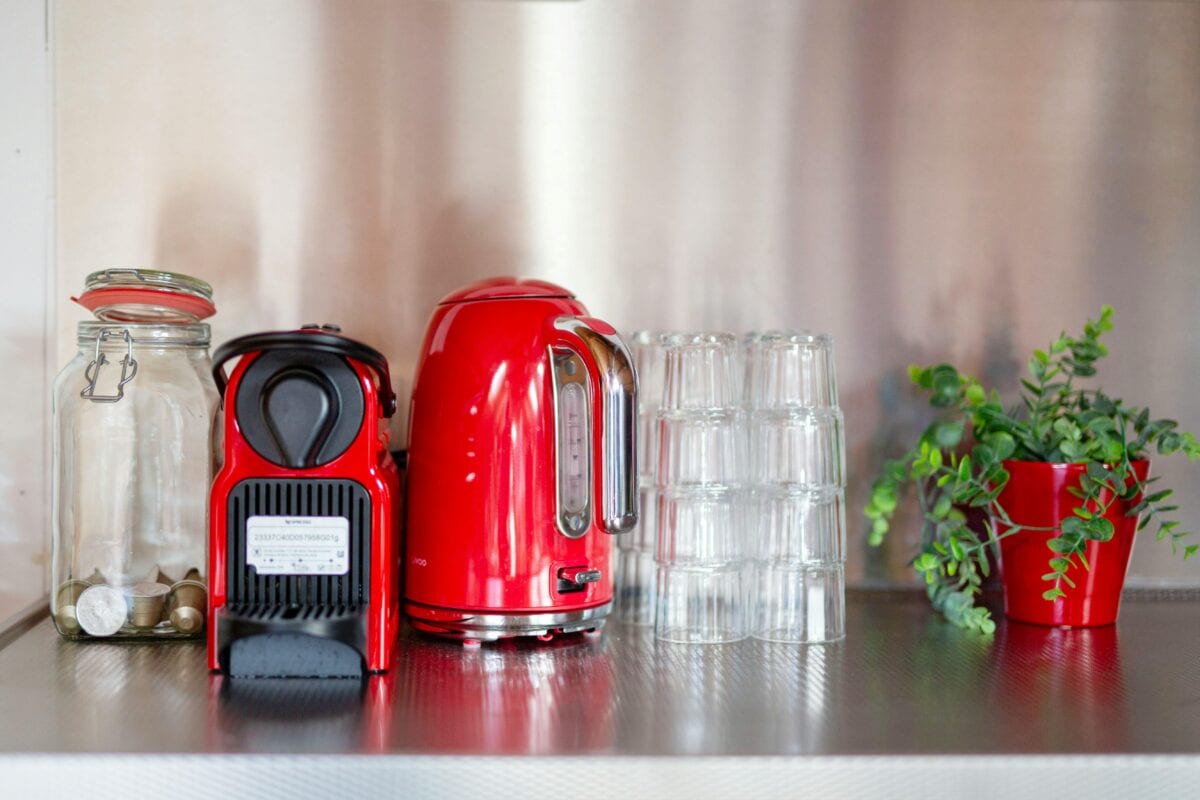
Lighting and color choices play an essential role in defining kitchen atmosphere and mood. Combining task, accent, and ambient lighting layers helps eliminate shadows and ensures every workspace is beautifully lit. Proper illumination enhances safety during meal preparation, contributing to overall kitchen utility. Recessed spotlights provide even general lighting, while under-cabinet LEDs target countertop zones for intricate tasks. Pendant lamps and statement fixtures above islands or dining nooks offer opportunities to inject personality and sophistication. We advocate for dimmable lighting to flexibly adapt brightness to various activities, from early morning routines to intimate evening dining. The color scheme anchors the kitchen’s personality. Light colors like soft whites, pale grays, or pastel blues foster a spacious and welcoming environment, while jewel tones bring drama and richness, particularly when offset by metallic hardware or natural stone. Coordinating backsplash, paint, and cabinetry colors prevents visual clutter and maintains cohesion. Texture and gloss level in finishes also shape the room’s visual dynamics, amplifying light or absorbing it to create cozy enclaves within larger open layouts. By mastering lighting and color, kitchen interiors become both inviting and highly efficient.
Selecting Materials for Lasting Beauty and Durability
Material choice in kitchen design balances needs for durability, maintenance, and beauty. Countertops see the most wear, so materials such as quartz, granite, and solid-surface composites are preferred for their resilience, easy cleaning, and variety of styles. Cabinetry crafted from hard-wearing MDF, solid wood, or high-grade laminate ensures longevity and resists warping or swelling caused by humidity. Flooring is another crucial decision: today’s kitchens benefit from ceramic tiles, porcelain, or luxury vinyl, each offering water resistance and a range of textures to suit every style. Backsplashes allow creativity and minute customization, using glass, tile, or stone to tie together colors and break up larger wall spans. Selecting matching or complementary finishes for faucets, handles, and lighting fixtures brings unity to the overall look. We always recommend prioritizing eco-friendly and non-toxic materials where possible, not only for their minimal environmental impact but also for the improved indoor air quality and safety of those who use the kitchen daily. Investing in robust surfaces and thoughtfully chosen fixtures prevents premature wear and replacements, providing greater long-term satisfaction and value.
Embracing Technology and Trends in Kitchen Interiors
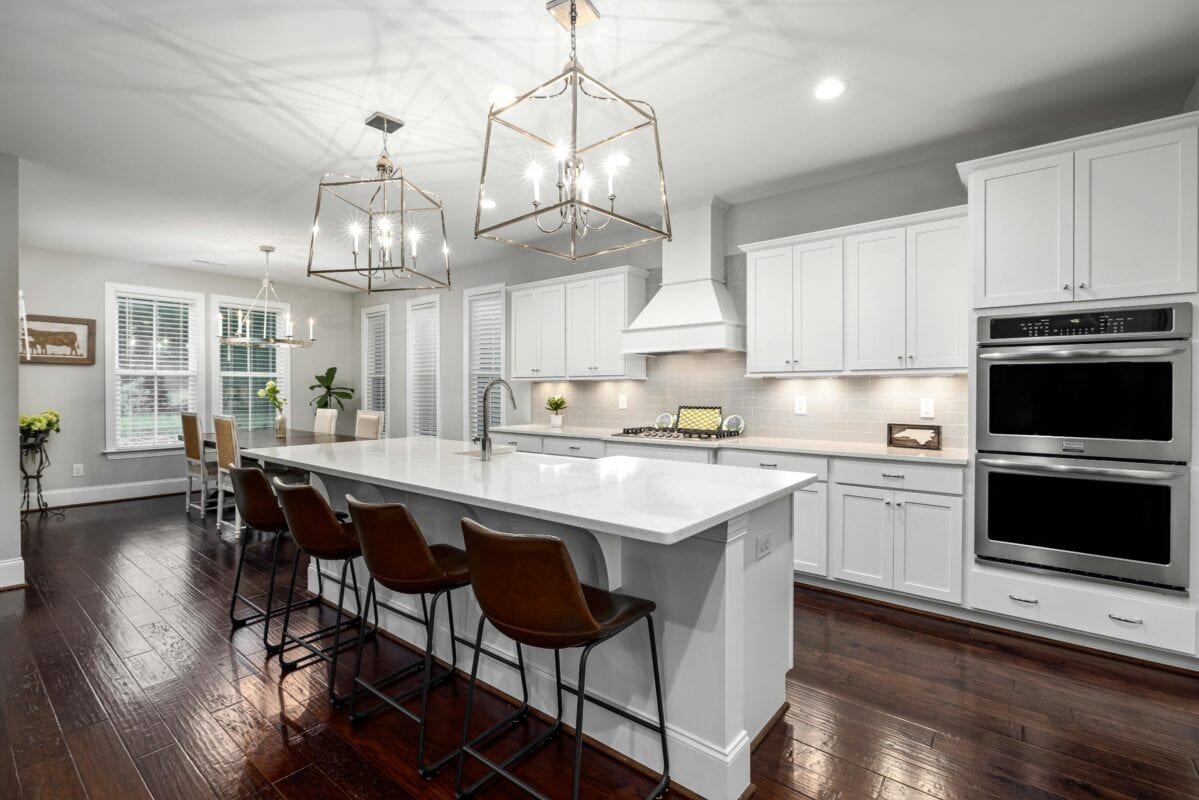
Advancements in kitchen technology have revolutionized how we interact with this central room, providing smart solutions for everyday problems. Integrated appliances, such as refrigerators with touch screens, induction cooktops, and voice-activated assistants, streamline tasks and allow for greater energy efficiency. The rise of handleless cabinetry and minimalist design speaks to contemporary tastes that value both cleanliness and cutting-edge functionality. Open shelving, glass-front cabinets, and hidden storage make it easier to keep essentials organized without disrupting visual harmony. We also see trends toward biophilic design, marrying inside and outside through large windows, indoor herb gardens, and sustainable material choices. Customizable pantries, drawer dividers, and appliance garages contribute to clutter-free countertops and a serene aesthetic. Wellness-oriented features, such as touchless faucets and air-cleaning systems, have become priorities for many families. As lifestyles evolve, so does kitchen design, and staying responsive to technological and cultural shifts ensures that interiors remain fresh and inviting year after year.
Fostering Connection Through Kitchen Interior Design
The ultimate goal of any kitchen interior design is to create a space that feels both timeless and personal, a haven for nourishment, creativity, and connection. By carefully considering layout, lighting, materials, and technology, we craft environments that invite lingering conversations, shared family traditions, and culinary experimentation. The kitchen becomes a canvas for expressing personality as well as a stage for everyday life, accommodating both festive gatherings and quiet moments. In prioritizing well-being, efficiency, and aesthetic pleasure, we ensure that the heart of the home thrives for generations.