

Style
Exterior Architectural Details and Trim Design for Modern Curb Appeal

Exterior architectural details and trim design shape how we read a home’s façade long before we notice its floor plan. Window trim, door trim, rake trim, barge boards, corner boards, and crown moldings frame the structure, highlight architectural features, and strengthen the overall exterior design of the house. When we coordinate these elements with the right color scheme, materials, and landscaping ideas, the result is a home facade that feels intentional, inviting, and architecturally sound.
We treat exterior trim as an integrated architectural solution, not simply decoration. Properly detailed exterior window trim, layered casings, and battens strips contribute to structural integrity, weather protection, thermal efficiency, and structural preservation by managing moisture intrusion and protecting vulnerable transitions. The most successful façades balance aesthetics and performance, using high-quality materials such as fiber-cement, engineered wood, preservative-treated wood, reclaimed wood, PVC trim, and metal or composite materials to achieve both longevity and visual appeal.
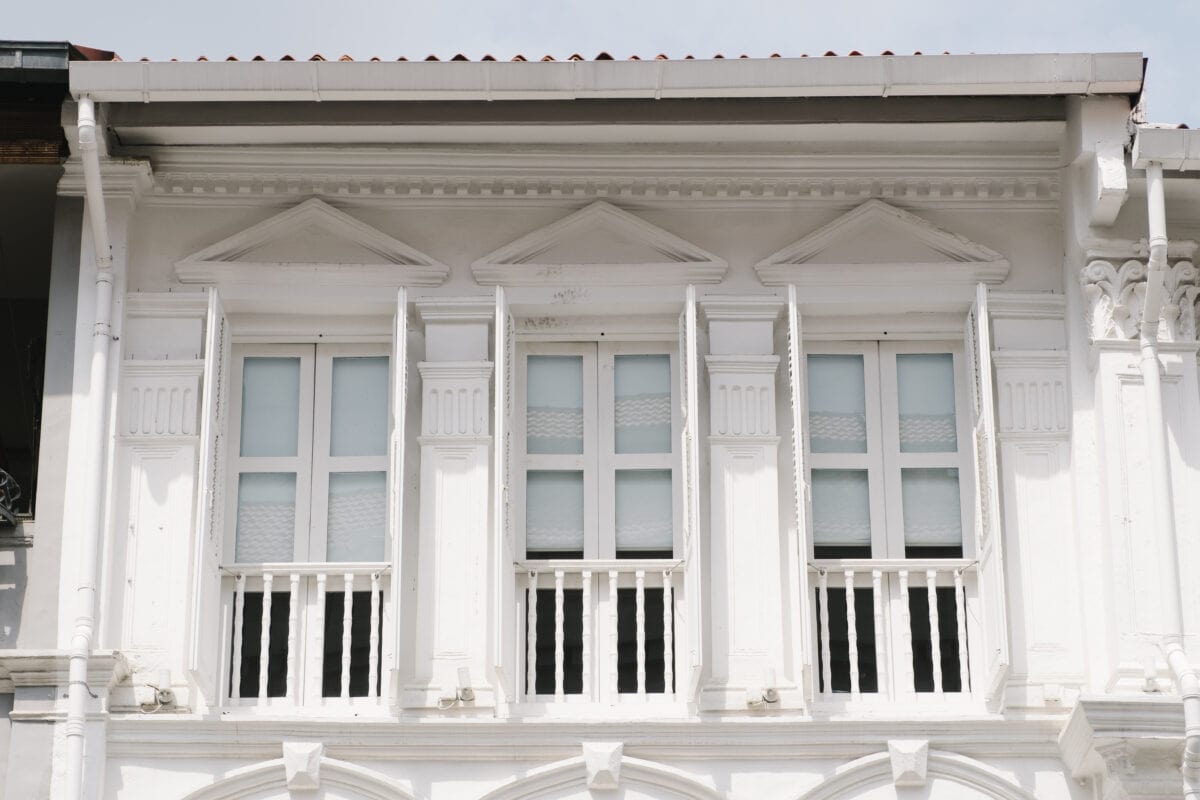
Exterior Trim, Window Trim Styles, and Architectural Style
Every architectural style relies on exterior trim in its own way. Colonial-style trim emphasizes symmetry, proportion, and classical details such as frieze boards, dentil trims, and balanced window and door trim. Craftsman-style exteriors favor bold Craftsman profiles, exposed rafter tails, and wider sideboards around windows and doors, often paired with wood accents and stone walls for a grounded, handcrafted look. Cottage-style trim typically introduces softer, more playful lines, cottage shutters, and layered window trim, giving smaller homes warmth and charm.
Modern architecture and contemporary style homes approach trim differently. In many modern designs, we see flat-stock trim and channel trim that produce clean, linear edges rather than ornate profiles. Black exterior window trim, monochrome trim, or subtle contrasting colors are used to frame glazing and define geometry without visual clutter. Mid-Century Modern homes often use minimal window trim style, large glass openings, and thin, crisp fascia boards to emphasize horizontal lines and openness. In all of these architectural styles, the key is alignment between exterior design, architectural details, and the chosen window trim styles.
Window treatments and exterior styles also contribute significantly to curb appeal. Exterior window trim, rosette window trim, arched headers, and layered casings can dramatically change how a window reads on the façade. A traditional Shingle Style Lake Home might use generous white wood trim around divided-light Ultimate Casement Windows to reinforce its coastal or lakeside character. By contrast, a sleek contemporary home might pair aluminum window capping and minimal PVC trim with large, uncluttered windows to maintain a streamlined façade.
Materials for Exterior Trim: From Wood to Fiber Cement and Composites
Material selection is central to modern exterior trim and architectural details. Traditional wood trim offers warmth, authenticity, and easy customization. Reclaimed wood, in particular, adds texture and a sense of history to exterior millwork, window frames, and door trim. Preservative-treated wood improves durability against moisture and insects, making it suitable for high-exposure conditions such as front stoops, exterior doors, and garage doors. However, all wood trim requires thoughtful detailing, priming, and regular maintenance to prevent rot and warping.
Engineered wood trim provides a more stable alternative while preserving the look of painted wood. Companies focused on advanced trim solutions, such as Belco Forest Products with Belco XT Trim, offer engineered options that resist twisting and checking better than many solid woods. These products are designed for long-term performance in exterior architectural details and trim design, particularly where consistent profiles and reduced maintenance are priorities.
Fiber cement trim is another cornerstone of current home design trends. In combination with fiber cement siding, it delivers excellent moisture resistance, fire resistance, and dimensional stability. We often specify fiber cement for corner boards, frieze boards, and band boards because it holds paint well and integrates cleanly with a variety of façade materials, including brick facade and stone walls. For homeowners seeking a refined, low-maintenance exterior design, fiber cement trim can be a highly effective component.
PVC trim and other metal or composite trims offer distinct advantages in high-exposure areas, such as roof edges, water tables, and window and door trim near grade. PVC trim does not rot and handles repeated wetting well, while metal or composite trims can deliver especially crisp lines in contemporary style façades. Aluminum window capping, in particular, protects wood window frames, enhances weather resistance, and maintains a polished appearance. In climates with intense sun, wind, or driving rain, these advanced materials play a central role in preserving the exterior design of the house and its energy performance.
Integrating Color Schemes, Contrasting Colors, and Landscaping
Color strategy is as important as profile selection in exterior architectural details and trim design. Thoughtful exterior color schemes consider siding, trim, accents, and architectural features holistically. White or light wood trim against darker body colors remains a timeless way to emphasize window, corner, and door trim, while darker, monochrome trim creates a more understated, modern look. Black exterior window trim, for example, can sharply outline openings and contribute to modern styles, especially when paired with large glass areas and minimal mullions.
Contrasting colors are powerful tools when used with restraint. A brick facade with white or cream exterior trim and a bold front door color, coordinated with Sherwin-Williams or similar professional paint systems, can deliver a classic yet updated appearance. Colorful trim around windows and exterior doors works particularly well on cottage-style trim or historic homes, provided the color palette anchors itself in the architecture rather than competing with it. Modern designs may instead favor limited palettes such as charcoal, off-white, and warm wood accents to create a calm, cohesive façade.
Landscaping ideas should support and frame the architectural design rather than obscure it. Low plantings near the front stoop, foundation plantings that follow window lines, and trees that frame rather than mask the home all work together to showcase exterior trim and architectural details. Well-planned pathways, lighting at the front door and garage doors, and coordinated fencing, such as solutions from specialists like Inline Security Fence, complete the overall curb appeal. Exterior design functions best when building and landscape form a continuous, harmonious composition.
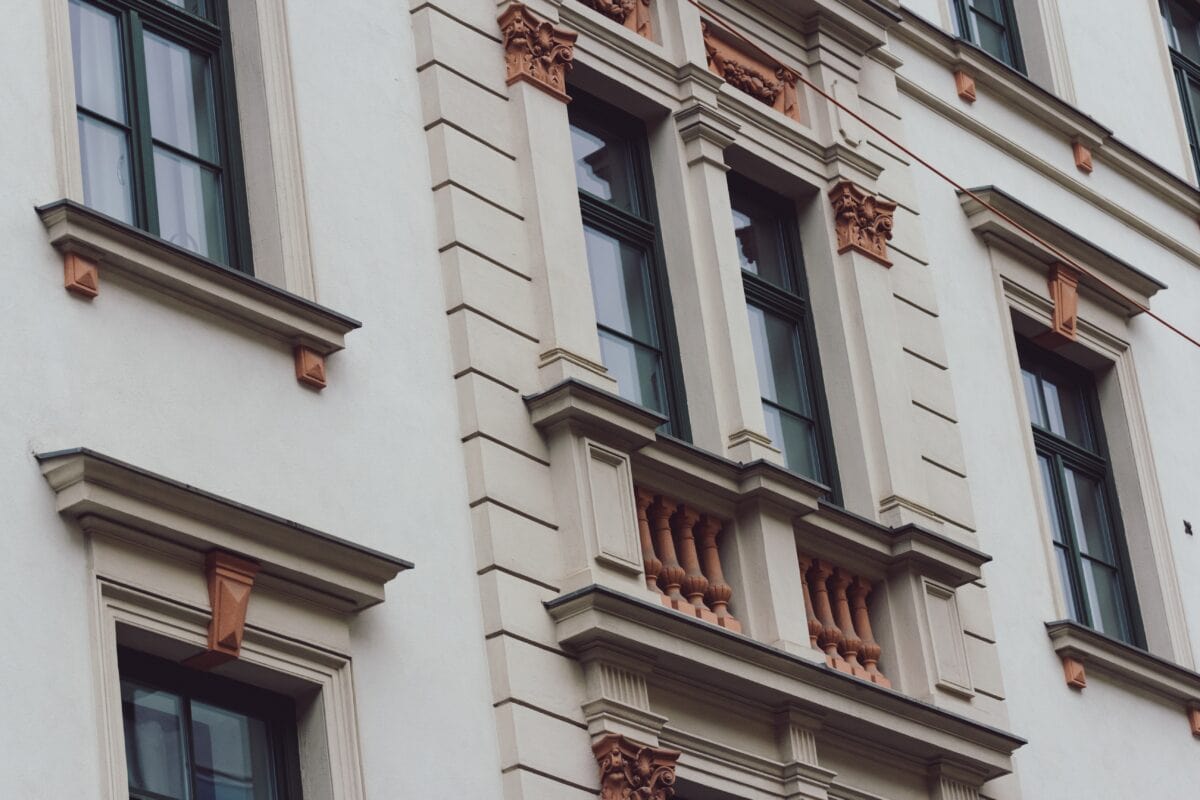
Style Case Studies and Specialized Exterior Solutions
Real projects illustrate how exterior architectural details and trim design come together in practice. A Shingle Style Lake Home might employ layered window trim, frieze boards, and crown moldings, combined with shingle siding, stone walls at the base, and a carefully chosen color palette drawn from natural surroundings. In such a home, Ultimate Casement Windows with traditional grille patterns, board-and-batten shutters, and a welcoming front stoop create a refined yet relaxed lakeside personality.
In another context, a Strawberry House style renovation or a project by design-focused firms like Cummings Architects, James McNeal Architecture and Design, OXB Studio, SinglePoint Design Build, Landmark Homes, or Banner Construction may emphasize modern architecture and contemporary trim treatments. Flat-stock trim, channel trim, monochrome schemes, and expansive glazing are orchestrated to produce clean lines and strong geometry. These homes often leverage advanced materials such as engineered wood, fiber cement, PVC trim, and Shou-sugi-ban siding from providers like Nakamoto Forestry, which offers charred wood cladding that delivers a striking black façade with excellent weather protection.
Shou-sugi-ban siding paired with simple black exterior window trim and minimal barge board is particularly effective on modern and Mid-Century Modern-inspired homes. Here, the façade design highlights texture and light rather than ornament. DCF Contracting, Golden State Design and Engineering, and other contractors and engineers working in this space typically pay close attention to flashing details, layer transitions, and energy performance, often integrating Tesla batteries or other advanced energy systems so the home design responds to both aesthetic and environmental goals.
Performance, Protection, and Long-Term Value
Behind every attractive façade lies a set of practical requirements. Exterior trim, window and door trim, and related millwork must support weather protection, thermal efficiency, and structural preservation. Proper rake trim, frieze boards, and water tables help shed water away from walls, while correctly flashed layered casings limit moisture intrusion around windows and doors. When trim is designed with building science in mind, it not only enhances curb appeal but also safeguards the building envelope.
Modern construction frequently combines multiple façade materials such as brick, stone, fiber cement, reclaimed wood, and metal cladding. Architectural details mediate between these surfaces, allowing for expansion and contraction while keeping joints protected. Belco XT Trim and other advanced exterior millwork products are engineered to perform in this demanding environment, mitigating the risk of cracking, peeling, and premature failure. Through careful detailing and material choices, we reinforce structural integrity and extend the service life of both trim and cladding.
As home design trends evolve, we see increasing emphasis on sustainable materials, energy performance, and low-maintenance exteriors. Thoughtful exterior architectural details and trim design are instrumental in meeting these expectations. When we pair durable, well-installed trim with informed exterior color schemes and compatible systems like high-performance windows, doors, and energy storage, we create homes that are as resilient and efficient as they are beautiful.
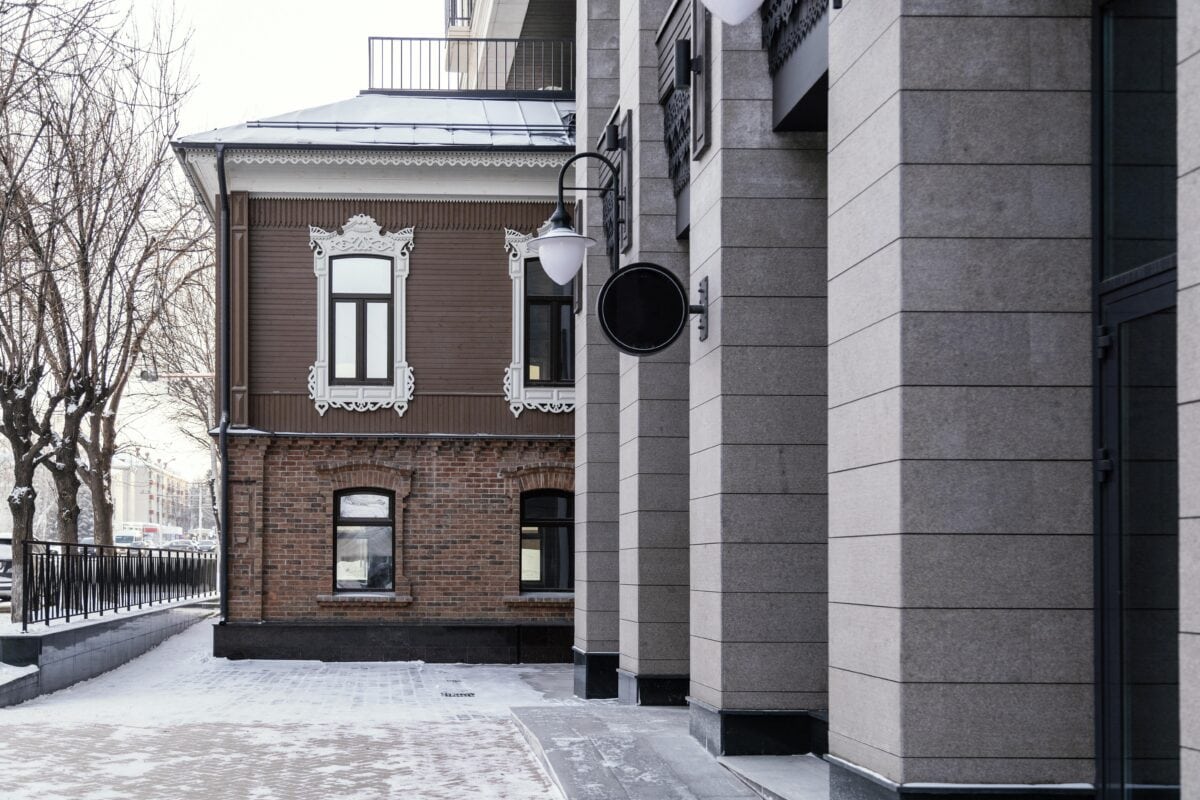
Bringing Exterior Architectural Details Together
A successful exterior is never the result of a single decision. Window trim style, door trim proportions, garage door detailing, layered casings, corner boards, barge boards, and frieze boards all interact to define the home facade. By aligning these architectural details with the chosen architectural style, materials, and color scheme, we create façades that feel complete and coherent from every angle.
In practice, this means treating exterior trim as both a design language and a protective shell. When profiles, colors, and materials work together, exterior design moves beyond surface decoration and becomes a durable expression of the home’s identity. With a disciplined approach to proportion, material selection, and performance, exterior architectural details and trim design can elevate any house style, from colonial and cottage to modern and craftsman, into a distinctive, enduring statement.