

Home Decoration
Luxury Architecture Design Trends: Defining the Future of Sophisticated Living
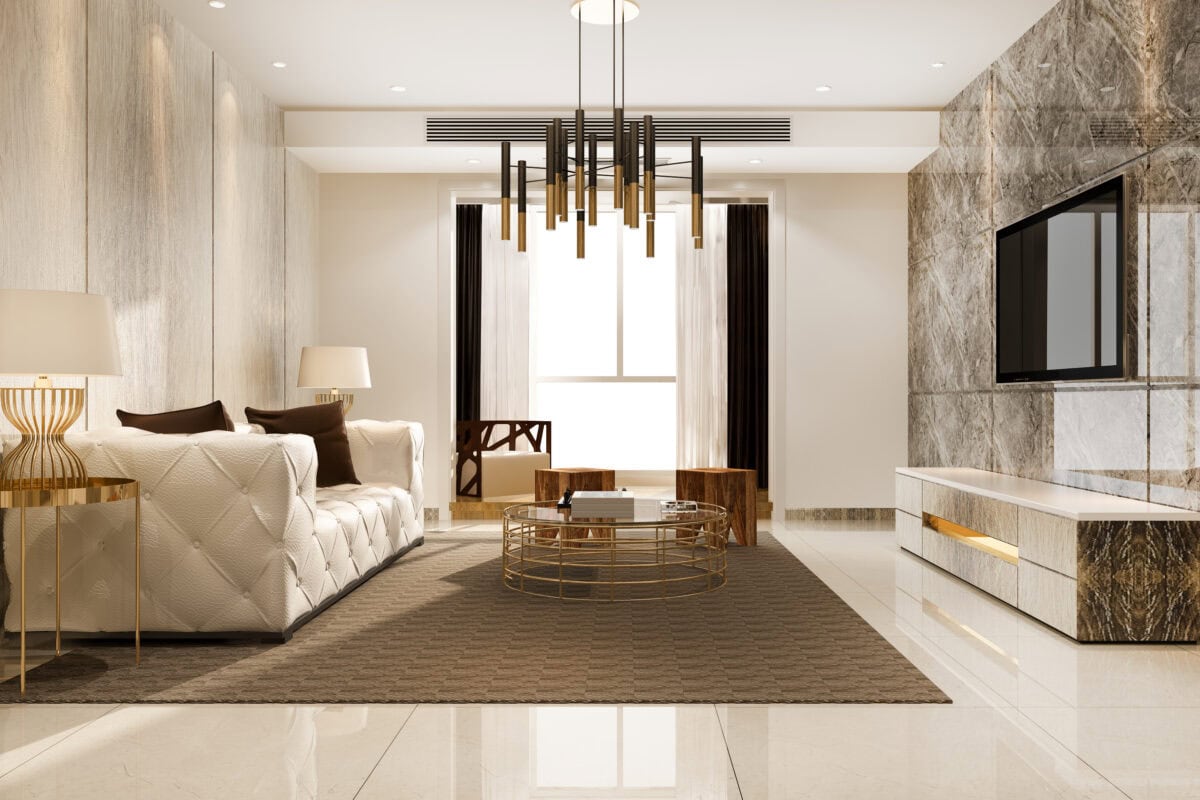
Luxury architecture design trends continue to evolve as homeowners seek spaces that seamlessly combine beauty, innovation, comfort, and sustainability. Modern luxury is no longer defined solely by grand chandeliers or expansive mansions. Instead, it reflects thoughtful design, personalised experiences, cutting-edge technology, and a strong connection between indoor and outdoor environments.
As luxury architecture continues to evolve, architectural trends increasingly prioritise personalisation, sustainability, and innovation. Today’s luxury homes are designed to balance visual elegance with long-term performance, creating residences that remain timeless while embracing luxury design principles suited for modern living.
As architectural preferences shift toward functionality and environmental responsibility, we embrace design principles that create timeless homes while meeting the demands of contemporary lifestyles. From sustainable materials and smart home integration to wellness-focused spaces and minimalist elegance, today’s luxury residences redefine what it means to live exceptionally.
The Evolution of Luxury Architecture Design
Luxury architecture has undergone a remarkable transformation over the past decade. Traditional designs often emphasised ornate detailing and lavish decoration. While craftsmanship remains important, today’s luxury architecture focuses on clean lines, exceptional materials, intelligent layouts, and seamless functionality.
Modern homeowners prioritise quality over excess. Every architectural element serves a purpose, whether enhancing comfort, improving energy efficiency, or creating a unique visual statement. This balanced approach results in homes that feel sophisticated without appearing overly extravagant.
The concept of quiet luxury has become increasingly influential, emphasising understated elegance through premium finishes, artisanal craftsmanship, and heirloom-quality work rather than excessive ornamentation. Personalisation has also become a defining feature. Rather than following generic design trends, luxury residential architecture increasingly reflects the owner’s lifestyle, hobbies, and long-term needs.
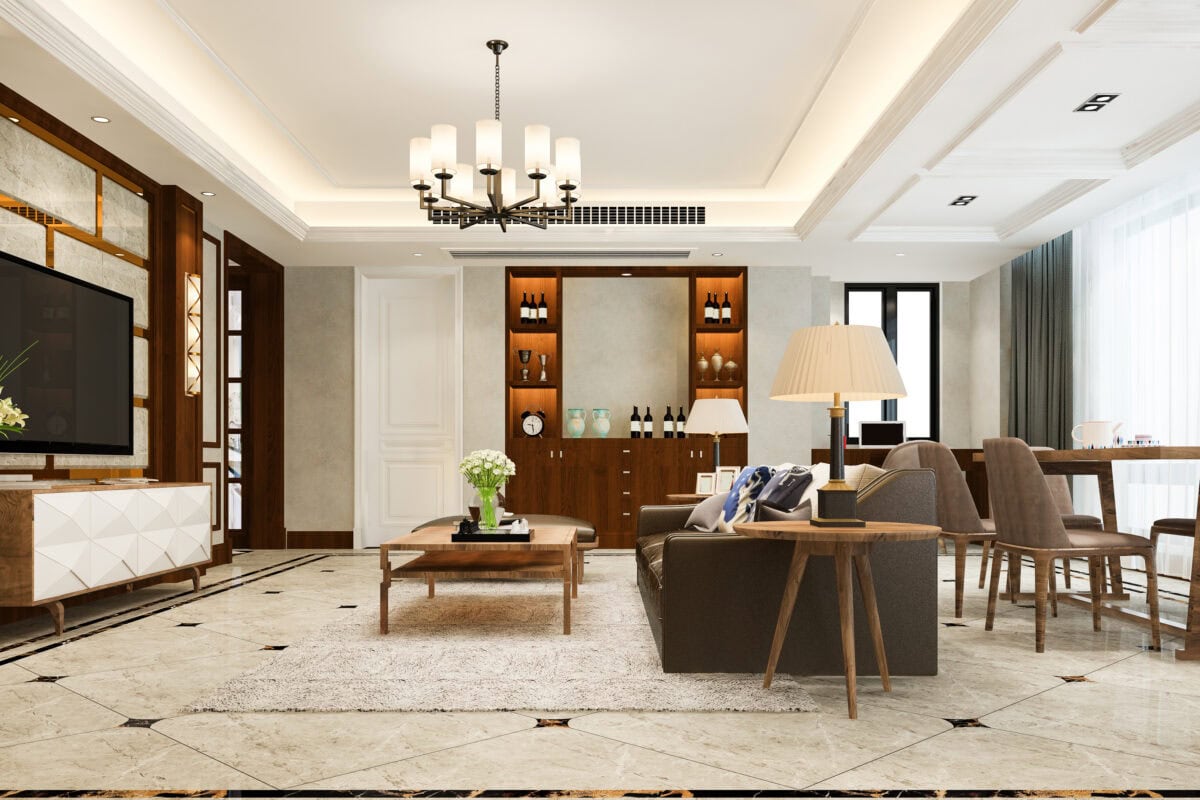
Sustainable Luxury Is Leading Modern Architecture
One of the most significant trends in luxury architectural design is the growing emphasis on sustainability. Eco-conscious design has become an essential part of high-end residential architecture rather than an optional feature. Architects now incorporate sustainable materials, passive cooling strategies, solar panels, renewable energy systems, rainwater harvesting systems, and energy-efficient systems without compromising aesthetics. Premium natural materials such as natural stone, reclaimed wood, engineered timber, and recycled metals provide both durability and elegance.
Many modern luxury homes are also inspired by passive house principles and Passivhaus principles, helping reduce energy consumption while moving closer to net-zero energy performance. These approaches improve comfort, support energy independence, and encourage eco-friendly living while addressing the long-term impact of climate change.
Large windows fitted with energy-efficient windows maximize natural daylight, reducing electricity consumption while creating bright, inviting interiors. Green roofs, green walls, and carefully planned landscaping further improve environmental performance while enhancing visual appeal. Sustainability in luxury architecture demonstrates that responsible design and exceptional craftsmanship can coexist beautifully.
Seamless Indoor-Outdoor Living Spaces
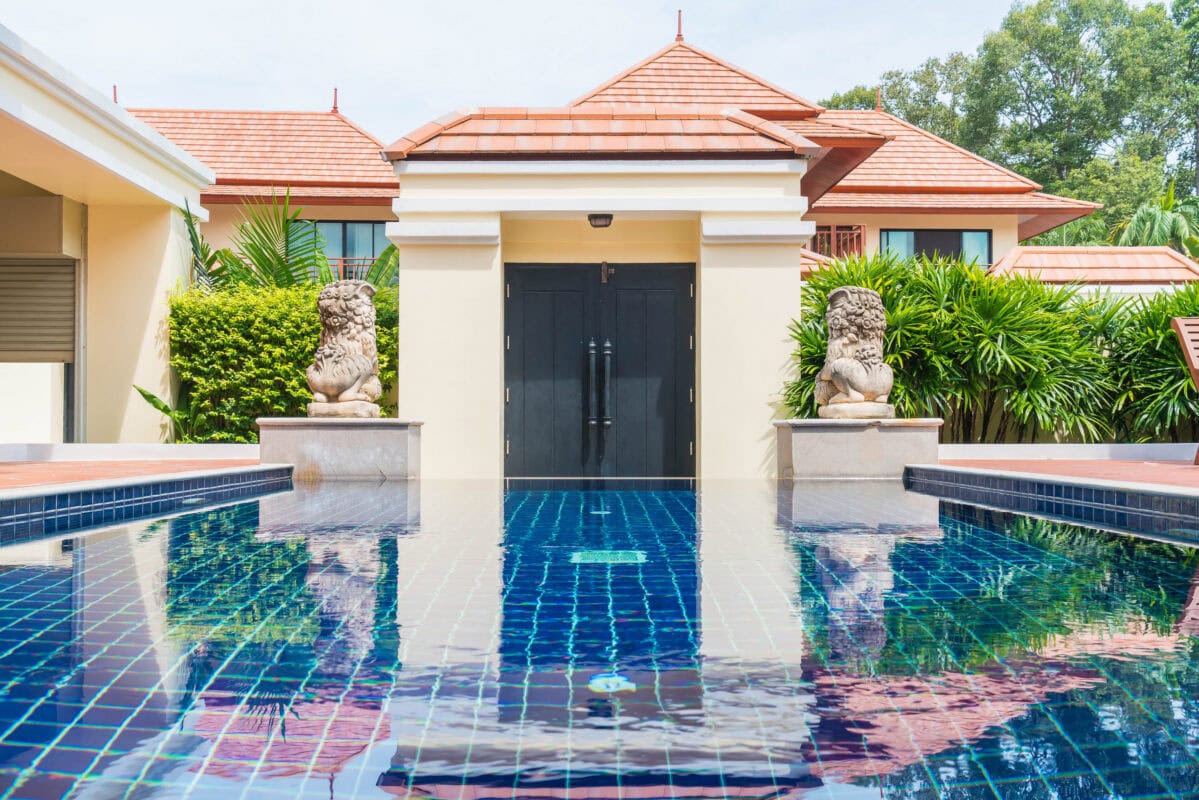
Modern luxury homes increasingly blur the boundaries between interior and exterior spaces. This architectural approach creates a greater sense of openness while encouraging residents to enjoy nature year-round. Sliding glass walls, floor-to-ceiling windows, covered terraces, outdoor kitchens, infinity pools, landscaped courtyards, and elegant water features allow living areas to flow naturally into outdoor environments. These indoor-outdoor living concepts strengthen the relationship between architecture and nature while creating relaxing spaces for entertaining.
The result is not simply additional usable space but an enhanced living experience where natural light, fresh air, and surrounding landscapes become integral parts of daily life. Whether overlooking mountains, coastlines, forests, or urban skylines, seamless indoor-outdoor transitions remain a defining characteristic of luxury residential architecture.
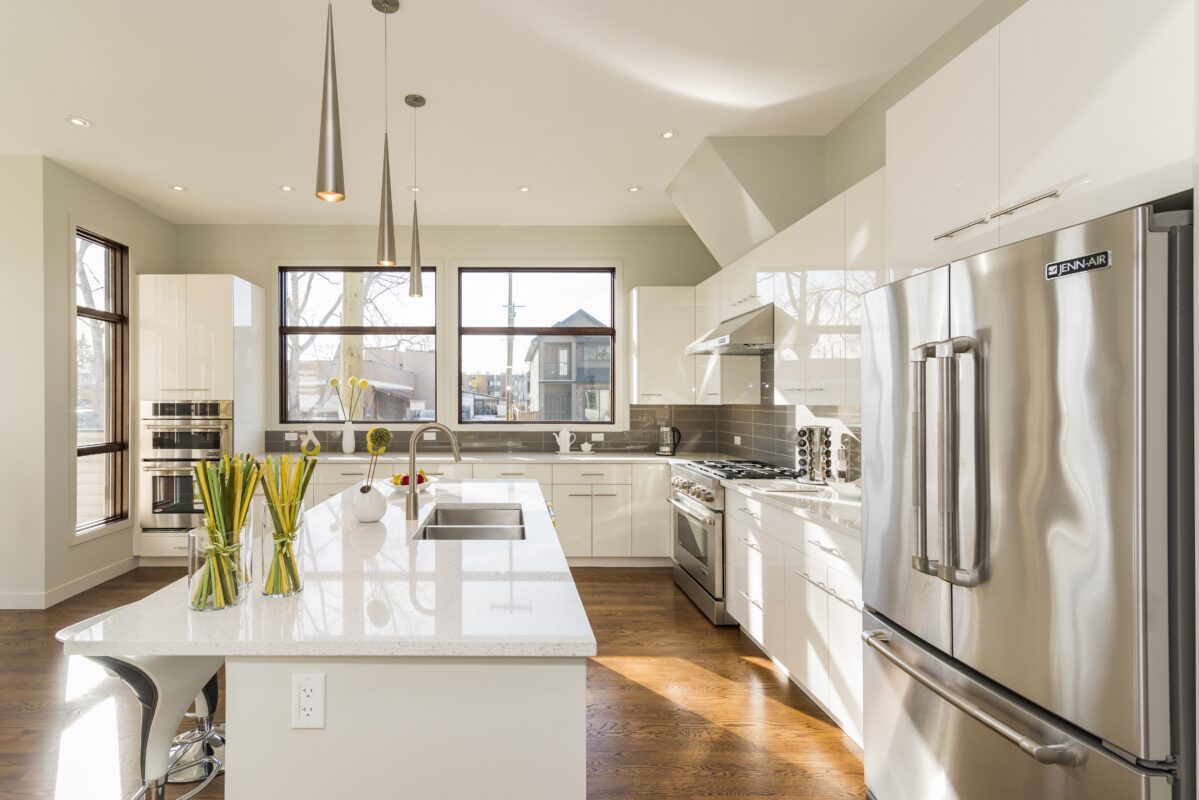
Smart Home Technology Enhances Everyday Living
Technology has become an indispensable component of luxury architecture design trends. Intelligent systems now enhance convenience, security, efficiency, and comfort throughout the home. Advanced smart home systems allow homeowners to control lighting, climate, smart security systems, entertainment, blinds, irrigation, and appliances through centralised smart home automation. Features such as automated lighting, voice-controlled appliances, and connected devices powered by the Internet of Things create homes that respond intelligently to daily routines.
Artificial intelligence and ongoing technological advancements contribute to personalised living experiences by automatically adjusting home settings based on occupancy, weather conditions, and individual preferences. Invisible technology integration ensures these advanced systems remain discreet, allowing architectural beauty to remain the primary visual focus.
Wellness-Centered Home Design
Luxury architecture increasingly prioritises physical and mental well-being. Homes are no longer viewed merely as places to live but as environments that actively support healthier lifestyles. Dedicated wellness spaces have become highly desirable features, including:
- Private fitness studios and home gyms
- Spa-like bathrooms
- Meditation rooms
- Indoor gardens
- Yoga spaces
- Home saunas
- Cold plunge pools
- Advanced water filtration systems
Many architects also embrace biophilic design and biophilic architecture, incorporating vertical gardens and abundant greenery to strengthen the connection between people and nature. Natural ventilation, abundant daylight, acoustic insulation, and organic architecture principles contribute to calmer, healthier living environments. Architectural planning now considers how each room influences mood, productivity, and overall quality of life.

Minimalism Meets Exceptional Craftsmanship
Minimalist architecture continues to dominate luxury residential design, but modern minimalism extends far beyond simple white walls and empty spaces. Today’s minimalist luxury emphasises precision, proportion, texture, and premium materials. Every detail receives careful consideration, from hidden storage systems and bespoke joinery to handcrafted stone surfaces and custom hardware.
Rather than excessive ornamentation, architectural interest emerges through subtle contrasts, natural textures, geometric forms, and refined finishes. This timeless design philosophy creates elegant homes that remain visually appealing for decades.
Natural Materials Create Timeless Elegance
Luxury architecture increasingly celebrates authentic materials that age gracefully and develop character over time. Popular material selections include:
- Natural stone
- Limestone
- Travertine
- Solid hardwood
- Bronze accents
- Textured concrete
- Reclaimed timber
- Glass and steel combinations
Contemporary projects are also experimenting with innovative materials such as self-healing concrete, transparent wood, microcement flooring, and sophisticated mixed-material facades. Designers often combine aluminum cladding, wood battens, and modern cladding system solutions to achieve a balance between durability and visual appeal while maintaining material honesty. These materials create warmth and sophistication while reinforcing the home’s connection to nature.
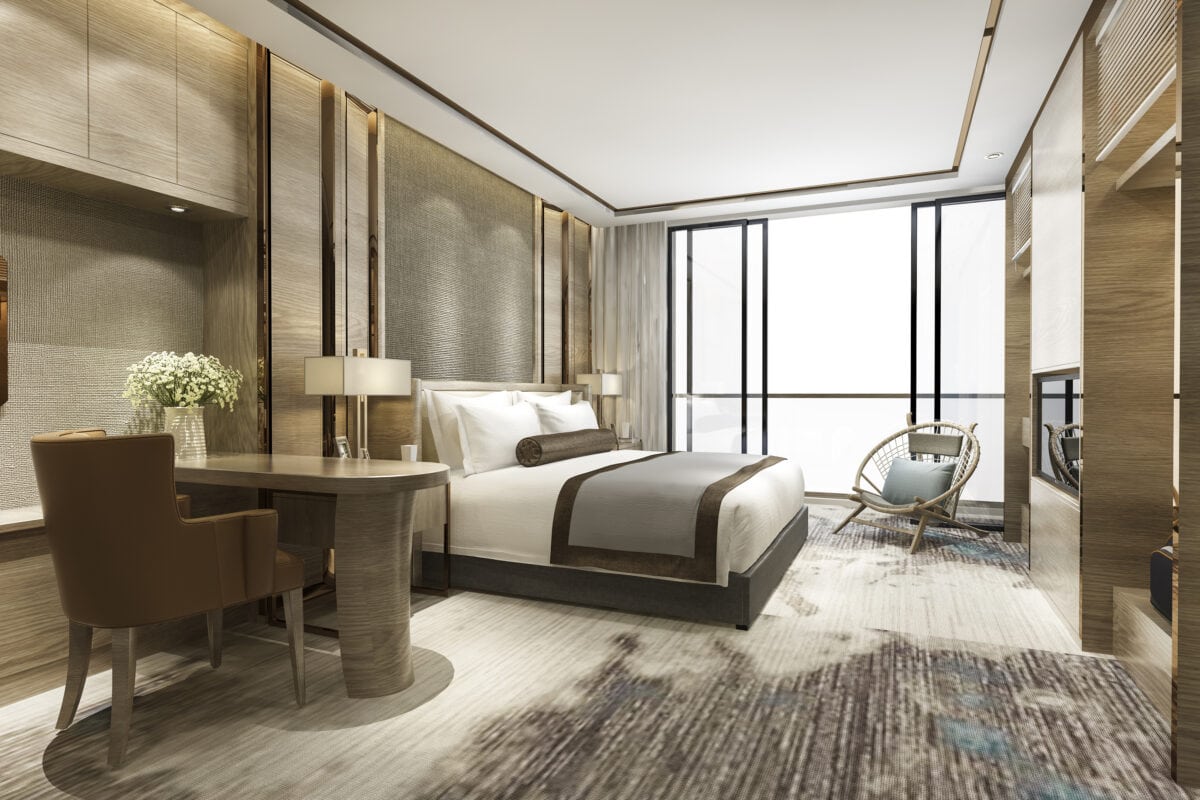
Flexible Spaces for Changing Lifestyles
Modern luxury homes must adapt to evolving family needs and work patterns. Flexible architecture allows spaces to serve multiple purposes without sacrificing elegance. Examples include:
- Home offices that transform into guest suites
- Entertainment rooms with retractable partitions
- Convertible libraries
- Multi-purpose wellness areas
- Outdoor living rooms are usable throughout the year
Increasingly, architects also consider multi-generational living and apply universal design principles to ensure homes remain accessible, comfortable, and adaptable for every stage of life. This flexibility has become especially important as remote work and hybrid living arrangements continue to influence residential design.
Statement Lighting as Architectural Art
Lighting has evolved beyond its practical function to become a defining architectural feature. Luxury homes now combine natural lighting strategies with carefully planned architectural lighting that enhances structural details throughout the day and evening. Popular lighting approaches include:
- Recessed architectural lighting
- Linear LED installations
- Sculptural pendant fixtures
- Hidden cove lighting
- Landscape illumination
- Staircase lighting
Many premium residences also feature digital art walls, internal glazing, and dramatic double-height atrium spaces that maximise both natural and artificial light. Layered lighting creates atmosphere while highlighting textures, artwork, and structural elements.
Personalised Luxury Defines the Future
Perhaps the most influential luxury architecture design trend is the shift toward personalisation. Rather than replicating popular designs, homeowners increasingly collaborate with architects to create residences tailored specifically to their lifestyles.
Features such as grand entrance foyers, custom wine cellars, spa-like bedrooms, bespoke entertainment spaces, and thoughtfully designed open-concept layouts reflect individual passions and priorities. Luxury architecture now celebrates uniqueness rather than conformity, resulting in homes that are deeply personal while maintaining exceptional architectural quality.
The Future of Luxury Architecture Design Trends
As technology advances and environmental awareness continues to grow, luxury architecture will become increasingly intelligent, sustainable, and personalised. Future developments are expected to include 3d printing in architecture, modular construction, expanded EV charging capabilities, and more sophisticated smart home features that integrate seamlessly into everyday living. Adaptive strategies such as adaptive reuse will also play a greater role in preserving architectural heritage while meeting modern performance standards.
Whether designing new residences or transforming a Victorian property through sensitive multi-level extensions, architects continue to push creative boundaries while respecting sustainability goals.As highlighted by emerging luxury residential design trends for 2026, the future belongs to award-winning architecture that combines innovation, craftsmanship, environmental responsibility, and timeless beauty. By embracing these luxury architecture design trends, we create homes that inspire, support well-being, and deliver lasting value for generations to come.